

Gabapentin 100mg

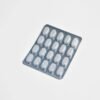
Price range: €120.00 through €820.00
Gabapentin 100 mg is a prescription medicine used mainly for nerve-related pain and certain seizure disorders. By calming overactive nerve signals, it can help reduce discomfort and support seizure control in appropriate patients. Because gabapentin can cause drowsiness and interact with other medicines, it should always be taken exactly as prescribed and monitored by a healthcare professional.
Gabapentin 100 mg: Uses, Dosage, Side Effects, Safety, and Frequently Asked Questions
What Is Gabapentin 100 mg?
Gabapentin 100 mg is a prescription medicine used to treat nerve-related pain (neuropathic pain) and certain types of seizures. It belongs to a group of medicines called anticonvulsants or antiepileptic medicines.
Although gabapentin was originally developed to treat epilepsy, it is now widely used for nerve pain conditions because of its ability to affect nerve signalling in the body.
Gabapentin works by reducing abnormal electrical activity in the nervous system and calming overactive nerve signals that may contribute to pain or seizures.
How Gabapentin Works

Gabapentin affects communication between nerve cells by influencing calcium channels involved in nerve signalling.
It works by:
- Reducing excessive nerve activity.
- Decreasing abnormal electrical signals in the brain.
- Helping control seizures.
- Reducing the intensity of certain types of nerve pain.
Gabapentin does not work like traditional painkillers and is generally not used for ordinary muscle aches or simple injuries.
Gabapentin 100 mg Uses
Neuropathic (Nerve) Pain
Gabapentin is commonly prescribed for nerve pain caused by conditions such as:
- Diabetic nerve pain.
- Nerve damage after injuries.
- Shingles-related nerve pain (post-herpetic neuralgia).
- Certain spinal nerve conditions.
Symptoms of nerve pain may include:
- Burning sensations.
- Tingling.
- Electric shock-like feelings.
- Numbness.
- Increased sensitivity.
Epilepsy and Seizures
Gabapentin may be used as an additional treatment for certain types of seizures, including partial-onset seizures.
It helps reduce abnormal electrical activity in the brain that can contribute to seizures.
Other Uses
In some cases, healthcare providers may prescribe gabapentin for other conditions where nerve activity plays a role. These uses depend on individual medical assessment.
Benefits of Gabapentin 100 mg
When used appropriately, gabapentin may help:
- Reduce nerve pain symptoms.
- Improve sleep affected by nerve discomfort.
- Reduce seizure frequency in some patients.
- Improve daily functioning and comfort.
The response to gabapentin varies between individuals, and dose adjustments may be needed.
Gabapentin 100 mg Dosage
The correct dosage depends on:
- The condition being treated.
- Age.
- Kidney function.
- Other medicines being taken.
- Response to treatment.
General guidance:
- Take exactly as prescribed.
- Gabapentin is often started at a low dose and increased gradually.
- Doses may be taken once, twice, or three times daily depending on the treatment plan.
- Do not change the dose without medical advice.
People with kidney problems may require dose adjustments because gabapentin is removed through the kidneys.
How to Take Gabapentin 100 mg
For best results:
- Swallow capsules or tablets with water.
- Take doses at evenly spaced times if prescribed multiple times daily.
- Follow your healthcare provider’s instructions.
- Do not stop suddenly without medical advice.
Stopping gabapentin suddenly may increase the risk of withdrawal symptoms or worsening seizures in people taking it for epilepsy.
Missed Dose
If you miss a dose:
- Take it when you remember.
- Skip it if it is almost time for your next dose.
- Do not take two doses together.
Common Side Effects
Common side effects may include:
- Drowsiness.
- Dizziness.
- Fatigue.
- Sleepiness.
- Loss of coordination.
- Blurred vision.
- Swelling of the hands or feet.
- Weight changes.
These effects may be more noticeable when starting treatment or after dose increases.
Serious Side Effects
Seek urgent medical attention if you experience:
- Severe allergic reactions.
- Difficulty breathing.
- Swelling of the face, lips, tongue, or throat.
- Severe skin reactions.
- Extreme confusion.
- Significant mood or behaviour changes.
Some people may experience changes in mood or thoughts while taking medicines used for seizure disorders. Speak with a healthcare professional if concerning changes occur.
Safety Information
Before taking gabapentin, tell your healthcare provider if you have:
- Kidney disease.
- Breathing problems.
- A history of mood disorders.
- Previous allergic reactions to gabapentin.
- Current use of medicines that cause drowsiness.
Gabapentin may cause dizziness and sleepiness, especially when starting treatment.
Drug Interactions
Gabapentin may interact with:
- Opioid pain medicines.
- Sleeping medicines.
- Anti-anxiety medicines.
- Alcohol.
- Other medicines that cause drowsiness.
Taking gabapentin with other sedating medicines may increase the risk of excessive sleepiness and breathing problems.
Alcohol and Gabapentin
Alcohol may increase side effects such as:
- Dizziness.
- Drowsiness.
- Poor coordination.
- Reduced alertness.
Discuss alcohol use with your healthcare provider while taking gabapentin.
Pregnancy and Breastfeeding
If you are pregnant, planning pregnancy, or breastfeeding, discuss gabapentin use with your healthcare provider.
The decision to use gabapentin during pregnancy depends on the medical condition being treated and the potential benefits and risks.
Storage
Store gabapentin:
- At room temperature.
- Away from moisture and heat.
- In the original packaging.
- Out of reach of children.
Do not use after the expiry date.
Frequently Asked Questions (FAQs)
What is Gabapentin 100 mg used for?
Gabapentin 100 mg is used mainly for nerve pain and as an additional treatment for certain types of seizures.
Is gabapentin a painkiller?
Gabapentin is not a traditional painkiller. It works by reducing abnormal nerve signals involved in certain types of pain.
How long does gabapentin take to work?
Some people notice improvement within days, but the full effect may take several weeks depending on the condition and dose.
Can gabapentin make you sleepy?
Yes. Drowsiness and dizziness are common side effects.
Is gabapentin addictive?
Gabapentin is not classified as a traditional addictive medicine, but it should be used only as prescribed because misuse can cause problems.
Can gabapentin be stopped suddenly?
Do not stop gabapentin suddenly without medical advice, especially if it is being used for seizures.
Can gabapentin treat anxiety?
Gabapentin is not officially approved as a primary anxiety treatment, although healthcare providers may sometimes use medicines differently depending on individual circumstances.
Can gabapentin affect driving?
Yes. Gabapentin may cause dizziness, sleepiness, or reduced coordination. Avoid driving until you know how it affects you.
Can gabapentin be taken with other pain medicines?
Some combinations may be appropriate, but always check with a healthcare professional before combining medicines.
What happens if I take too much gabapentin?
Taking too much may cause severe drowsiness, confusion, dizziness, or breathing problems. Seek urgent medical help if an overdose is suspected.
Final Thoughts
Gabapentin 100 mg is a prescription medicine used mainly for nerve-related pain and certain seizure disorders. By calming overactive nerve signals, it can help reduce discomfort and support seizure control in appropriate patients. Because gabapentin can cause drowsiness and interact with other medicines, it should always be taken exactly as prescribed and monitored by a healthcare professional.
Medical Disclaimer: This article is for educational and informational purposes only and should not replace professional medical advice, diagnosis, or treatment. Always consult a qualified healthcare professional before starting, stopping, or changing any medication.
| Quantity | 30 Pills, 60 Pills, 120 Pills, 180 Pills, 200 Pills, 250 Pills, 300 Pills, 400 Pills, 500 Pills |
|---|
Be the first to review “Gabapentin 100mg”
Related products
Drugs

Drugs

Drugs
Drugs
Drugs
Drugs
Drugs
Drugs
Reviews
There are no reviews yet.