
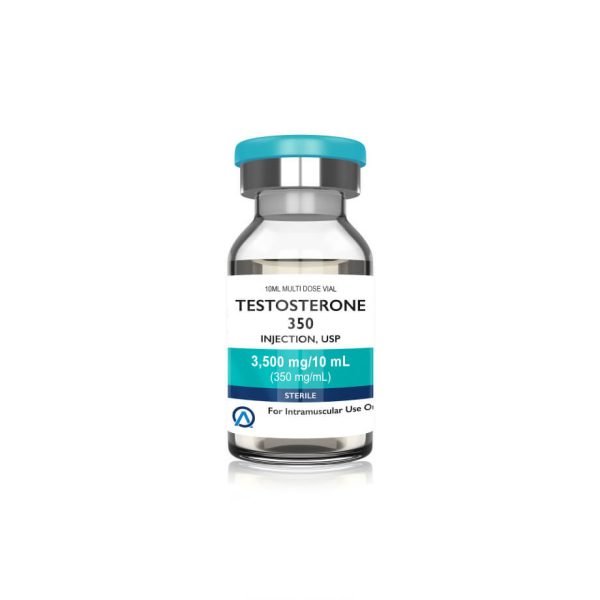


Anabolix Testosterone 350: Testosterone Blend Uses, Effects, and Safety Guide
Anabolix Testosterone 350 is marketed as an injectable testosterone product with a stated concentration of 350 mg. The exact testosterone ester blend or formulation represented by the product name should be verified from reliable, product-specific documentation, because the number “350” alone does not identify the specific testosterone esters or their individual concentrations.
Testosterone is a biologically active androgen hormone involved in the development and maintenance of male reproductive tissues, muscle, bone, red blood cell production, and other physiological processes. Prescription testosterone products are approved for specific medical conditions associated with confirmed testosterone deficiency and an underlying medical cause.
The exact identity, potency, purity, sterility, and manufacturing quality of any specific Anabolix product cannot be confirmed solely from its name, label, or packaging.
What Is Anabolix Testosterone 350?
Anabolix Testosterone 350 is marketed as an injectable testosterone preparation with a stated strength of 350 mg.
The product is generally described as:
- Product name: Anabolix Testosterone 350
- Active substance marketed: Testosterone
- Stated strength: 350 mg
- Product type: Injectable androgenic-anabolic hormone preparation
- Formulation: The exact ester blend should be verified from the product label or reliable manufacturer documentation
Testosterone products may use different ester forms, such as testosterone enanthate or testosterone cypionate. Esterification affects how the compound is released and how long it remains active in the body.
What Is Testosterone?
Testosterone is the principal androgen hormone in males and plays an important role in sexual development, reproductive function, muscle physiology, bone health, and other biological processes.
Testosterone products may be prescribed for men with low testosterone associated with a documented medical condition. The FDA states that approved testosterone products are intended for men with low testosterone levels associated with an underlying medical condition.
Testosterone is also classified as an anabolic steroid and is a controlled substance in the United States.
How Does Testosterone Work?
Testosterone binds to androgen receptors in various tissues throughout the body.
Its effects can influence:
- Muscle and protein metabolism
- Bone tissue
- Red blood cell production
- Sexual development
- Libido
- Reproductive function
Some testosterone is also converted into other hormones, including estradiol and dihydrotestosterone (DHT). These hormonal pathways contribute to both desired physiological effects and potential adverse effects.
Testosterone and Muscle Development
Testosterone has anabolic effects that influence protein synthesis and muscle tissue.
This is one reason testosterone products are frequently discussed in bodybuilding and athletic-performance communities.
However, the use of testosterone for non-medical muscle enhancement can expose individuals to risks that may increase with higher exposure, prolonged use, combinations with other anabolic steroids, and lack of medical monitoring.
Prescription testosterone is not approved simply for increasing muscle size or athletic performance in healthy individuals.
Testosterone and Natural Hormone Production
Exogenous testosterone can suppress the body’s natural hormone-production system through negative feedback.
The hypothalamus and pituitary gland regulate signals involved in testicular testosterone production. When external testosterone is introduced, the body may reduce the release of hormones involved in this process.
Potential consequences may include:
- Reduced natural testosterone production
- Reduced LH and FSH signaling
- Reduced sperm production
- Testicular shrinkage
- Fertility problems
The duration and extent of hormonal suppression vary considerably between individuals.
Effects on Fertility
External testosterone can reduce sperm production because natural reproductive hormone signaling may be suppressed.
Individuals who are trying to conceive or who are concerned about fertility should discuss testosterone treatment with a qualified healthcare professional before starting or continuing therapy.
Fertility effects may persist for some time after exposure and recovery is not necessarily immediate.
Potential Cardiovascular Effects
Testosterone can affect cardiovascular risk factors.
Potential concerns may include:
- Increased blood pressure
- Changes in cholesterol
- Increased red blood cell production
- Fluid retention
Prescription testosterone labeling includes warnings and precautions concerning blood pressure and other potential cardiovascular considerations.
Anabolic-steroid misuse has also been associated with serious cardiovascular and psychiatric adverse reactions, including heart attack, stroke, heart failure, and severe psychiatric symptoms.
Effects on Cholesterol
Androgenic-anabolic steroid exposure can alter lipid metabolism.
Potential changes may include:
- Reduced HDL cholesterol
- Increased LDL cholesterol
- An unfavorable overall lipid profile
Changes in cholesterol may occur without obvious symptoms, which is why medical monitoring can be important when testosterone therapy is medically indicated.
Red Blood Cell Production
Testosterone can stimulate red blood cell production.
In some individuals, this may lead to an increase in hemoglobin and hematocrit.
Excessive increases may require medical evaluation because abnormal blood viscosity can have health implications.
Androgenic Effects
Testosterone can produce androgenic effects, particularly in genetically predisposed individuals.
Potential effects may include:
- Acne
- Oily skin
- Increased facial or body hair
- Male-pattern hair loss
- Changes in libido
The severity of these effects varies from person to person.
Estrogen-Related Effects
Some testosterone is converted into estradiol through a process called aromatization.
Changes in estrogen levels may contribute to:
- Breast tenderness
- Breast tissue enlargement
- Fluid retention
- Mood changes
Hormone levels can vary considerably, and attempting to alter one hormone without proper assessment may create additional problems.
Effects in Women
Women may be particularly sensitive to androgen exposure.
Potential effects may include:
- Acne
- Increased body or facial hair
- Menstrual changes
- Deepening of the voice
- Clitoral enlargement
Some virilizing effects may be permanent.
Pregnancy is an important safety consideration because androgen exposure can potentially harm a developing fetus.
Mood and Psychological Effects
Changes in androgen levels may affect mood and psychological well-being.
Possible effects may include:
- Irritability
- Mood swings
- Anxiety
- Aggression
- Depression
- Changes in sleep
The official labeling for testosterone enanthate warns that misuse of anabolic-androgenic steroids has been associated with serious psychiatric manifestations, including depression, mania, paranoia, psychosis, and aggression.
Significant psychological changes should be taken seriously.
Liver and Other Health Considerations
Testosterone products can affect multiple body systems.
Although the risks vary by formulation and route of administration, individuals with existing liver, kidney, cardiovascular, or hormonal conditions should seek appropriate medical guidance before using testosterone.
The overall risk profile also depends on the specific formulation, exposure, other substances, and individual health factors.
Injection and Sterility Considerations
Because Anabolix Testosterone 350 is marketed as an injectable product, sterility and product quality are important considerations.
Products obtained outside regulated pharmaceutical supply chains may carry risks related to:
- Incorrect active ingredients
- Incorrect concentration
- Contamination
- Loss of sterility
- Counterfeit packaging
- Poor manufacturing standards
- Improper storage
A label stating Testosterone 350 mg does not independently confirm the product’s identity, concentration, purity, or sterility.
Product Authenticity and Quality
The authenticity of a specific Anabolix product cannot be established solely through packaging, product photographs, online reviews, or seller claims.
Potential concerns with unverified products include:
- Underdosing
- Overdosing
- Incorrect testosterone esters
- Contamination
- Counterfeit products
- Inaccurate labeling
Reliable pharmaceutical quality controls are more informative than branding alone.
Is Testosterone a Dietary Supplement?
No.
Testosterone is a pharmacologically active hormone and anabolic steroid.
It can affect:
- Natural hormone production
- Fertility
- Cholesterol
- Blood pressure
- Red blood cell production
- Mood
- Reproductive health
It should not be treated as an ordinary nutritional supplement.
Important Safety Considerations
Anyone considering testosterone should understand that online product descriptions cannot replace professional medical advice.
Particular caution may be necessary for individuals with:
- Cardiovascular disease
- High blood pressure
- Abnormal cholesterol
- Liver or kidney disease
- Fertility concerns
- Prostate-related conditions
- Hormonal disorders
Severe chest pain, difficulty breathing, sudden neurological symptoms, or serious psychological changes require prompt medical attention.
Frequently Asked Questions About Anabolix Testosterone 350
What is Anabolix Testosterone 350?
It is marketed as an injectable testosterone product with a stated strength of 350 mg.
What testosterone ester does it contain?
The exact ester or blend cannot be determined from the product name alone. The product-specific label or verified manufacturer documentation should be consulted.
Is testosterone an anabolic steroid?
Yes. Testosterone is an androgenic-anabolic steroid and a naturally occurring hormone.
Can testosterone suppress natural testosterone production?
Yes. Exogenous testosterone can suppress the body’s natural reproductive hormone signaling.
Can testosterone affect fertility?
Yes. External testosterone can reduce sperm production and may affect fertility.
Can testosterone affect cholesterol and blood pressure?
Yes. Testosterone and anabolic-androgenic steroid exposure can affect cardiovascular risk factors, including blood pressure and lipid levels.
Is Testosterone 350 a supplement?
No. Testosterone is a pharmacologically active hormone.
Final Thoughts
Anabolix Testosterone 350 is marketed as an injectable testosterone preparation with a stated strength of 350 mg. The exact testosterone ester blend and product composition should be verified through reliable product-specific documentation.
Testosterone has established medical uses for certain men with confirmed testosterone deficiency associated with an underlying medical condition. However, exogenous testosterone can suppress natural hormone production and affect fertility, cholesterol, blood pressure, red blood cell production, mood, and other aspects of health.
The exact identity, purity, potency, sterility, and manufacturing quality of a specific Anabolix Testosterone 350 product cannot be confirmed solely from its branding or packaging.
Anyone considering testosterone or who has used a product marketed as Anabolix Testosterone 350 should seek appropriate medical guidance.
Disclaimer: This article is for general educational and SEO information only. It is not medical advice and does not replace consultation with a qualified healthcare professional.
SEO Title: Anabolix Testosterone 350: Testosterone Uses, Effects, and Safety Guide
Meta Description: Learn about Anabolix Testosterone 350, including testosterone effects, hormone suppression, fertility considerations, cardiovascular risks, potential side effects, and product safety information.
Focus Keyword: Anabolix Testosterone 350
Secondary Keywords: Anabolix Testosterone 350mg, Anabolix Test 350, Testosterone 350, testosterone injection, testosterone effects, testosterone side effects, testosterone safety, anabolic androgenic steroid
Be the first to review “Anabolix Testosterone 350”
Related products
Injectable Steroids

Injectable Steroids
Injectable Steroids
Injectable Steroids
Injectable Steroids
Injectable Steroids
Injectable Steroids
Injectable Steroids
Reviews
There are no reviews yet.