

Pharmaqo UK – Testosterone-P 100: What Is Testosterone Propionate?
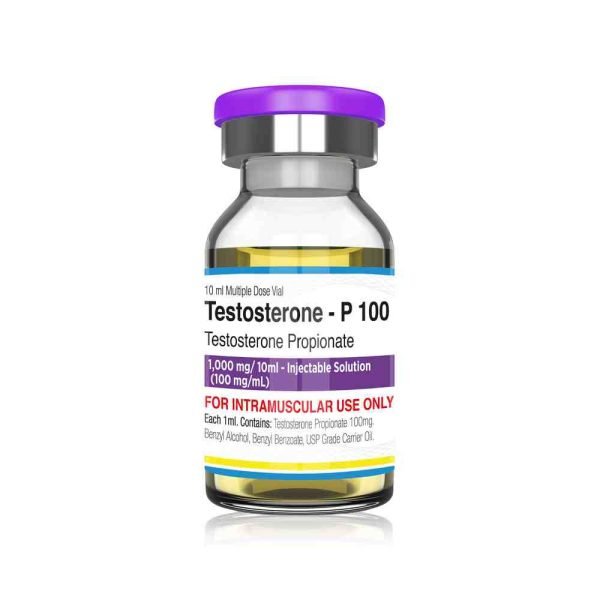
Pharmaqo UK – Testosterone-P 100 is a product name associated with testosterone propionate, a short-acting ester of the naturally occurring androgen hormone testosterone. Testosterone plays important roles in sexual development, reproductive function, muscle maintenance, bone health, red blood cell production, and overall endocrine function.
Because testosterone propionate is a hormone-based injectable substance, products carrying this name should be approached with caution. The safety, authenticity, sterility, concentration, and manufacturing quality of products obtained outside regulated medical supply chains may be difficult to independently verify. This is especially important for products marketed through unofficial or non-prescription channels.
This educational guide explains what testosterone propionate is, how it differs from longer-acting testosterone esters, potential medical considerations, possible side effects, health risks, and important safety questions associated with injectable testosterone products.
What Is Pharmaqo UK – Testosterone-P 100?
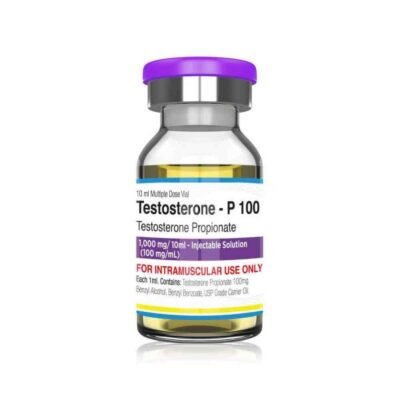
Pharmaqo UK – Testosterone-P 100 is commonly associated with testosterone propionate, an esterified form of testosterone. The propionate ester affects how quickly testosterone is released and metabolized in the body.
Testosterone propionate is considered a relatively short-acting testosterone ester compared with longer-acting forms such as testosterone enanthate or testosterone cypionate. The ester does not create a completely different hormone; rather, it influences the release characteristics of testosterone after administration.
The “100” in a product name may refer to the labeled concentration of the product, but consumers should not assume that the actual concentration, purity, or contents of an unregulated product match its label. Product labels alone cannot confirm quality or authenticity.
Understanding Testosterone Propionate
Testosterone is an androgen hormone naturally produced by the body. In males, most testosterone is produced in the testes, while smaller amounts are produced in the adrenal glands. Females also produce testosterone, although typically at lower levels.
Testosterone contributes to:
- Muscle development and maintenance
- Bone density
- Sexual development
- Libido
- Sperm production
- Red blood cell formation
- Mood and energy regulation
- Body hair development
- Maintenance of certain reproductive tissues
Testosterone propionate is formed by attaching a propionate ester to testosterone. This changes the timing of its release from the injection site and its metabolism.
Testosterone Propionate Compared With Longer-Acting Esters
Different testosterone esters have different pharmacokinetic properties. Testosterone propionate is generally considered shorter acting, while testosterone enanthate and testosterone cypionate are longer acting.
The primary difference is not that one is inherently “stronger” than another. Instead, the ester affects the release and clearance pattern of the hormone.
Shorter-acting testosterone products may result in more noticeable changes in hormone levels when used incorrectly. In medical treatment, the choice of testosterone formulation depends on the patient’s diagnosis, clinical needs, medical history, monitoring requirements, and the products approved in the relevant country.
Medical Use of Testosterone
Testosterone therapy may be medically prescribed for certain patients with clinically confirmed testosterone deficiency. A diagnosis generally requires more than simply experiencing tiredness, reduced motivation, or changes in body composition.
Healthcare professionals may consider:
- Symptoms
- Medical history
- Physical examination
- Repeated laboratory testing
- Hormone measurements
- Underlying medical conditions
- Fertility goals
- Cardiovascular risk factors
Testosterone therapy is not appropriate for everyone. Self-diagnosing low testosterone based on symptoms alone can lead to inappropriate treatment and delay the diagnosis of another medical condition.
Why Medical Assessment Matters
Symptoms such as fatigue, low mood, reduced libido, poor sleep, weight changes, and reduced exercise performance can have many possible causes.
Possible contributing factors may include:
- Sleep deprivation
- Obesity
- Stress
- Depression
- Anxiety
- Thyroid disorders
- Diabetes
- Certain medications
- Chronic illness
- Nutritional deficiencies
- Sleep apnea
Using testosterone without investigating the underlying cause may not resolve the problem and can introduce additional health risks.
Potential Effects of Testosterone Exposure
Testosterone affects multiple body systems. Increased androgen exposure can influence the reproductive system, cardiovascular system, skin, hair follicles, blood production, liver function, and psychological wellbeing.
Possible effects may include:
- Increased muscle mass
- Changes in body composition
- Increased libido
- Increased oil production in the skin
- Acne
- Changes in body hair
- Suppression of natural testosterone production
- Reduced sperm production
- Changes in mood
The effects vary significantly between individuals and depend on factors such as dosage, duration, existing health conditions, genetics, and whether the product is genuine.
Testosterone and Natural Hormone Production
When external testosterone is introduced into the body, the brain may reduce signaling to the testes through the hypothalamic-pituitary-gonadal axis.
This can reduce the production of:
- Luteinizing hormone
- Follicle-stimulating hormone
- Natural testosterone
- Sperm
As a result, people using testosterone without medical supervision may experience suppression of their body’s natural hormone production.
Recovery after stopping testosterone is not guaranteed to occur quickly or completely. The time required for hormonal recovery can vary considerably.
Fertility Considerations
External testosterone can reduce sperm production. This is particularly important for individuals who are planning to have children.
A person may experience:
- Reduced sperm count
- Reduced sperm production
- Testicular shrinkage
- Changes in fertility
Individuals concerned about fertility should discuss testosterone treatment with a qualified healthcare professional before beginning therapy.
Possible Side Effects
Potential side effects associated with testosterone exposure may include:
Skin Effects
- Acne
- Oily skin
- Increased sweating
- Changes in skin texture
Hair Changes
- Increased body hair
- Male-pattern hair loss in genetically predisposed individuals
Hormonal Effects
- Suppression of natural testosterone production
- Reduced sperm production
- Testicular atrophy
- Breast tissue enlargement
Cardiovascular Effects
Testosterone may influence blood pressure, cholesterol levels, and red blood cell production. These effects may be particularly important in individuals with existing cardiovascular risk factors.
Psychological Effects
Some people may experience:
- Irritability
- Mood swings
- Anxiety
- Aggressive behavior
- Emotional changes
Severe psychological changes require prompt medical attention.
Increased Red Blood Cell Production
Testosterone can stimulate the production of red blood cells. In some people, this may cause an increase in hematocrit or hemoglobin.
A significantly elevated red blood cell concentration may increase blood viscosity and require medical evaluation.
For this reason, people receiving medically supervised testosterone therapy may require periodic blood tests.
Blood Pressure and Cholesterol
Androgen exposure may affect cardiovascular risk factors, including:
- Blood pressure
- HDL cholesterol
- LDL cholesterol
- Triglycerides
The overall impact varies between individuals. People with cardiovascular disease, high blood pressure, abnormal cholesterol, or other risk factors should discuss testosterone therapy with a medical professional.
Injectable Product Safety
Injectable products require strict manufacturing and sterile handling. Products produced outside regulated pharmaceutical manufacturing systems may carry additional risks.
Potential concerns include:
- Bacterial contamination
- Incorrect concentration
- Particulate matter
- Substandard ingredients
- Counterfeit packaging
- Incorrect labeling
- Poor storage conditions
Injecting a contaminated product can result in serious infection, including abscesses or systemic infection.
Injection-Related Warning Signs
After any injection, seek urgent medical attention if symptoms suggest a serious infection or severe reaction, including:
- Increasing redness
- Severe swelling
- Worsening pain
- Pus or drainage
- Fever
- Chills
- Red streaking from the injection site
- Severe allergic symptoms
- Difficulty breathing
These symptoms should not be ignored.
Product Authenticity Concerns
A branded label or professional-looking packaging does not automatically prove that a product is genuine.
Potentially counterfeit products may contain:
- A different active ingredient
- Incorrect strength
- No active ingredient
- Contaminants
- An unexpected solvent or oil
Consumers should be cautious when products are obtained from sources that are not licensed pharmacies or regulated healthcare providers.
Testosterone and Liver Health
Some forms of testosterone are associated with different effects on the liver. Injectable testosterone products are not automatically risk-free.
People with liver disease or unexplained abnormal liver tests should seek medical advice before using hormone therapy.
Symptoms such as yellowing of the skin or eyes, dark urine, unusual abdominal pain, or significant changes in general health require medical evaluation.
Testosterone and the Prostate
Testosterone therapy may require consideration of prostate health. Healthcare professionals may assess individual risk factors before treatment.
Individuals with prostate-related symptoms should not self-medicate with testosterone.
Medical monitoring may involve:
- Symptom assessment
- Physical examination
- Laboratory testing
- Prostate-specific evaluation when clinically appropriate
Testosterone and Sleep Apnea
Hormonal treatment may be relevant to people with sleep-related breathing disorders. Individuals with suspected or diagnosed sleep apnea should discuss treatment with a qualified healthcare professional.
Symptoms of sleep apnea may include:
- Loud snoring
- Gasping during sleep
- Morning headaches
- Excessive daytime sleepiness
- Poor concentration
Who Should Be Especially Cautious?
Medical advice is especially important for people with:
- Cardiovascular disease
- High blood pressure
- Abnormal cholesterol
- Sleep apnea
- Liver disease
- Kidney disease
- Prostate conditions
- Fertility concerns
- A history of blood clots
- Hormone-sensitive medical conditions
This list is not exhaustive.
Why Dosage Should Not Be Self-Determined
The appropriate dose of medically prescribed testosterone depends on the individual, the diagnosis, the formulation, laboratory results, and treatment goals.
Self-determined dosing can lead to excessive hormone exposure and increased adverse effects.
More testosterone does not necessarily mean better results. Excessive androgen exposure can increase the risk of hormonal, cardiovascular, reproductive, psychological, and other complications.
Monitoring During Testosterone Therapy
Medical monitoring may involve periodic assessment of:
- Testosterone levels
- Complete blood count
- Hematocrit
- Hemoglobin
- Blood pressure
- Lipid profile
- Liver function when clinically indicated
- Prostate-related health when appropriate
The exact monitoring schedule depends on the individual and the treatment plan.
Testosterone Propionate and Performance Enhancement
Testosterone propionate is sometimes associated with non-medical bodybuilding and performance-enhancing use. However, using testosterone without medical supervision can carry serious risks.
Potential concerns include:
- Hormonal suppression
- Infertility
- Cardiovascular effects
- Mood changes
- Elevated hematocrit
- Injection complications
- Contaminated products
- Long-term endocrine disruption
People considering testosterone for athletic performance should understand that non-medical use may also violate sports anti-doping regulations.
Legal and Regulatory Considerations
Testosterone is regulated differently in different countries. Laws may apply to:
- Possession
- Prescription requirements
- Importation
- Distribution
- Sale
- Personal use
Consumers should consult official local regulations and qualified healthcare professionals for accurate information.
Frequently Asked Questions
What is Pharmaqo UK – Testosterone-P 100?
It is a product name associated with testosterone propionate, a short-acting testosterone ester. The quality and authenticity of products obtained outside regulated medical channels may not be independently verified.
Is Testosterone-P 100 testosterone propionate?
The name is commonly associated with testosterone propionate, but the actual contents of any individual product cannot be confirmed solely by its label.
Is testosterone propionate medically used?
Testosterone propionate has been used medically in some settings, although the availability of specific formulations depends on the country and regulatory system.
Is testosterone propionate long acting?
Compared with testosterone enanthate and testosterone cypionate, testosterone propionate is generally considered a shorter-acting ester.
Can testosterone affect fertility?
Yes. External testosterone can suppress natural hormone signaling and reduce sperm production.
Can testosterone cause acne?
Yes. Increased androgen activity can increase oil production and contribute to acne.
Can testosterone affect mood?
Hormonal changes may affect mood and behavior. Significant mood changes should be discussed with a healthcare professional.
Can injectable testosterone cause infection?
Yes. Any injection can cause complications, and contaminated or improperly manufactured products may carry additional risks.
Does a branded product guarantee authenticity?
No. Packaging and labeling alone cannot guarantee that a product is genuine, sterile, or accurately dosed.
Should Testosterone-P 100 be used without a prescription?
Self-directed use of testosterone is not recommended. Hormone therapy should be evaluated and monitored by a qualified healthcare professional.
Final Considerations
Pharmaqo UK – Testosterone-P 100 is commonly associated with testosterone propionate, a short-acting testosterone ester. Testosterone is a powerful hormone that can affect multiple body systems, including reproductive health, blood production, cardiovascular risk factors, skin, hair, mood, and natural hormone production.
The most important consideration is product quality and medical supervision. Products obtained outside regulated healthcare channels may carry additional risks related to authenticity, sterility, contamination, and concentration.
Anyone considering testosterone treatment should seek professional medical advice, undergo appropriate evaluation, and understand the potential risks before beginning therapy. People who have already used an injectable testosterone product and develop severe pain, swelling, fever, breathing difficulty, chest pain, or other serious symptoms should seek urgent medical attention.
Educational disclaimer: This information is provided for general educational purposes and is not a substitute for diagnosis, prescribing, or individualized medical advice.
Be the first to review “Pharmaqo UK – Testosterone-P 100”
Related products
Injectable Steroids
Injectable Steroids
Injectable Steroids

Injectable Steroids
Injectable Steroids
Injectable Steroids
Injectable Steroids
Injectable Steroids
Reviews
There are no reviews yet.