
Uncategorized
Testosterone & Hormone Therapy
Oct
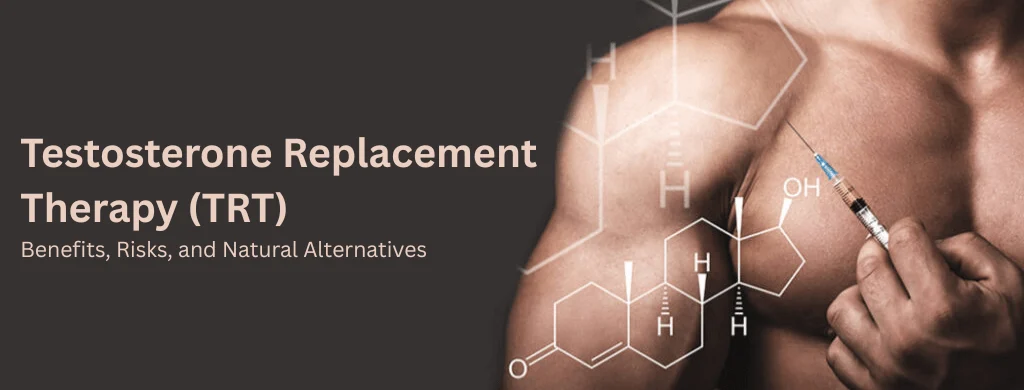
Testosterone & Hormone Therapy: Understanding TRT, Testosterone Esters, Benefits, Risks, and Safety
Testosterone is an important hormone that plays a role in many functions throughout the body. Although it is commonly associated with male sexual development and muscle growth, testosterone also contributes to bone health, red blood cell production, energy, mood, sexual function, and overall reproductive health.
When testosterone levels are significantly lower than expected and symptoms are present, a healthcare professional may investigate whether testosterone replacement therapy (TRT) or another form of hormone treatment is appropriate.
Testosterone therapy is a medical treatment that should be approached carefully. It is not suitable for everyone, and treatment decisions should be based on clinical evaluation, symptoms, laboratory testing, medical history, and professional guidance.
This educational guide explains what testosterone is, what testosterone replacement therapy involves, how different testosterone esters work, possible benefits and risks, and why medical supervision is important.
What Is Testosterone?
Testosterone is an androgen hormone produced primarily by the testes in males, although smaller amounts are also produced by the adrenal glands. Females also produce testosterone, although average levels are significantly lower.
Testosterone contributes to several important biological functions, including:
-
Development of male reproductive characteristics
-
Maintenance of muscle mass
-
Bone strength
-
Red blood cell production
-
Sexual desire
-
Sperm production
-
Mood and psychological well-being
-
Energy and general vitality
Testosterone production is regulated by a complex hormonal communication system involving the brain, pituitary gland, and reproductive organs.
The body normally maintains testosterone within a biological range. However, levels can vary depending on age, health, sleep, stress, body composition, illness, medication use, and other factors.
What Is Testosterone Replacement Therapy?
Testosterone replacement therapy, commonly known as TRT, is a medical treatment used to restore testosterone levels in individuals who have clinically confirmed testosterone deficiency.
A diagnosis of testosterone deficiency generally involves more than a single low laboratory result. Healthcare professionals may consider:
-
Symptoms
-
Medical history
-
Physical examination
-
Repeated hormone testing
-
The timing of blood tests
-
Other possible medical causes
Symptoms sometimes associated with low testosterone may include:
-
Reduced sexual desire
-
Erectile difficulties
-
Reduced energy
-
Decreased muscle mass
-
Reduced bone density
-
Mood changes
-
Difficulty concentrating
-
Reduced body hair
-
Fertility problems
However, these symptoms can also be caused by many other medical conditions. Stress, depression, obesity, sleep disorders, thyroid conditions, chronic illness, and certain medications may produce similar symptoms.
For this reason, testosterone therapy should not be started solely because of general tiredness or a single laboratory measurement.
How Is Testosterone Deficiency Evaluated?
A healthcare professional may evaluate testosterone status using blood testing and clinical assessment.
Testing may involve:
-
Total testosterone
-
Free testosterone in appropriate circumstances
-
Sex hormone-binding globulin
-
Luteinizing hormone
-
Follicle-stimulating hormone
-
Other tests based on symptoms and medical history
The timing of testing can matter because testosterone levels naturally fluctuate during the day.
A healthcare professional may also investigate whether an underlying condition is affecting hormone production.
Possible causes of low testosterone can include:
-
Testicular disorders
-
Pituitary disorders
-
Certain chronic illnesses
-
Obesity
-
Sleep disorders
-
Some medications
-
Genetic conditions
-
Previous injury or medical treatment
Identifying the underlying cause is important because treatment may differ depending on the reason for hormone deficiency.
Testosterone Enanthate and Other Testosterone Esters
Testosterone products may contain testosterone attached to a chemical structure called an ester.
The ester affects how quickly testosterone is released and processed by the body.
Common testosterone esters include:
-
Testosterone enanthate
-
Testosterone cypionate
-
Testosterone propionate
-
Testosterone undecanoate
These products contain testosterone, but their release characteristics differ.
Testosterone Enanthate
Testosterone enanthate is a longer-acting ester of testosterone. It has been used in medical testosterone replacement in certain countries and formulations.
The duration of action means that administration schedules are different from those associated with shorter-acting testosterone esters.
Testosterone Cypionate
Testosterone cypionate is another longer-acting testosterone ester used in certain medical contexts.
Like other testosterone formulations, its use should be based on medical assessment and appropriate monitoring.
Testosterone Propionate
Testosterone propionate is a shorter-acting ester.
Because of its release characteristics, the timing of administration differs from longer-acting formulations.
Testosterone Undecanoate
Testosterone undecanoate is a longer-acting testosterone ester available in specific pharmaceutical formulations and jurisdictions.
The exact treatment schedule depends on the approved product and healthcare professional’s instructions.
Why the Ester Matters
The ester does not change the fundamental identity of testosterone, but it can influence:
-
Release rate
-
Duration of activity
-
Treatment scheduling
-
Blood-level fluctuations
The formulation and route of administration also influence how a medicine is used.
It is important not to assume that different testosterone products can be substituted for one another without professional guidance.
Potential Benefits of Medically Indicated Testosterone Therapy
When a person has clinically confirmed testosterone deficiency, appropriate treatment may help improve certain symptoms.
Potential improvements may include:
-
Improved sexual desire
-
Support for sexual function
-
Maintenance of muscle mass
-
Support for bone health
-
Improvement in some symptoms of testosterone deficiency
-
Improved sense of well-being in some individuals
The response to treatment varies considerably.
Testosterone therapy is not guaranteed to improve every symptom, and treatment may not be appropriate if symptoms are caused by another condition.
Testosterone Therapy and Fertility
One of the most important considerations is the effect of external testosterone on fertility.
When testosterone is supplied from outside the body, the brain may reduce signals that stimulate the testes.
This can reduce:
-
Natural testosterone production
-
Sperm production
Individuals who are planning to have children should discuss this with a healthcare professional before considering testosterone therapy.
Testosterone replacement is not generally considered a fertility treatment.
People with fertility concerns may require a different medical evaluation and treatment approach.
Potential Risks of Testosterone Therapy
Testosterone therapy can cause side effects and may carry significant risks.
Potential concerns include:
Increased Red Blood Cell Production
Testosterone can stimulate the production of red blood cells.
If levels become excessively high, blood viscosity may increase. This may require medical monitoring and clinical management.
Acne and Oily Skin
Changes in androgen levels may contribute to:
-
Acne
-
Oily skin
-
Changes in hair growth
These effects vary from person to person.
Hair Loss
Individuals who are genetically predisposed to male-pattern hair loss may experience accelerated hair loss.
Breast Symptoms
Hormonal changes can sometimes contribute to breast tenderness or enlargement.
Sleep-Related Breathing Problems
Testosterone therapy may affect certain individuals with sleep-related breathing disorders.
People with sleep apnea symptoms should discuss this with a healthcare professional.
Mood Changes
Hormonal changes may affect mood and emotional well-being.
Possible effects can include:
-
Irritability
-
Mood changes
-
Anxiety
-
Changes in emotional stability
Severe psychological symptoms require professional attention.
Cardiovascular Health
The relationship between testosterone therapy and cardiovascular health is complex and may depend on individual health status, age, treatment indication, formulation, and other risk factors.
People with existing cardiovascular disease or significant cardiovascular risk factors should discuss the potential risks and benefits with a qualified healthcare professional.
Important health factors may include:
-
Blood pressure
-
Cholesterol
-
Smoking
-
Diabetes
-
Obesity
-
Existing heart disease
-
Family history
Testosterone therapy should never be viewed as a general method for improving athletic performance or preventing normal aging.
Prostate Health
Testosterone can affect androgen-sensitive tissues.
Before and during treatment, healthcare professionals may consider prostate health, particularly in individuals at increased risk of prostate disease.
Symptoms such as:
-
Difficulty urinating
-
Frequent urination
-
Blood in the urine
-
Pelvic discomfort
should be medically evaluated.
Testosterone and Aging
Testosterone levels may change naturally with age.
However, normal aging alone does not automatically mean that testosterone therapy is appropriate.
A diagnosis should be based on symptoms, appropriate testing, and a medical evaluation.
Using testosterone solely to improve appearance, athletic performance, or general aging-related changes may expose individuals to unnecessary risks.
The Difference Between TRT and Non-Medical Anabolic Steroid Use
Testosterone replacement therapy and non-medical anabolic steroid use are not the same thing.
TRT is intended to treat a diagnosed medical condition under professional supervision.
Non-medical use may involve:
-
Unregulated products
-
Unverified concentrations
-
Excessive exposure
-
Multiple substances
-
Lack of medical monitoring
Products obtained outside regulated pharmaceutical supply chains may also carry risks involving contamination, incorrect labeling, and uncertain potency.
The appearance of a product or packaging cannot independently confirm its authenticity or quality.
Why Product Quality Matters
Testosterone products obtained through unauthorized or unregulated channels may not contain the stated ingredient or concentration.
Potential problems include:
-
Counterfeit products
-
Incorrect labeling
-
Contamination
-
Incorrect strength
-
Poor manufacturing standards
-
Sterility concerns for injectable products
Customers should be cautious about assuming that a product is genuine simply because it has professional-looking packaging.
Monitoring During Testosterone Therapy
Medical monitoring may involve regular assessment of relevant health markers.
Depending on the individual, healthcare professionals may monitor:
-
Testosterone levels
-
Blood count
-
Hematocrit
-
Blood pressure
-
Cholesterol
-
Liver health where appropriate
-
Prostate-related health indicators
-
Symptoms and treatment response
The exact monitoring plan varies according to age, medical history, formulation, and treatment goals.
Testosterone Therapy and Women
Women also produce testosterone, although levels are generally lower than in men.
Testosterone may have specific medical uses in certain circumstances, but treatment requires careful assessment.
Excess androgen exposure may cause:
-
Acne
-
Increased facial hair
-
Voice deepening
-
Menstrual changes
-
Hair loss
-
Other virilizing effects
Some effects may be permanent.
Testosterone exposure during pregnancy is a serious concern because androgenic hormones may affect fetal development.
Frequently Asked Questions
What is TRT?
TRT stands for testosterone replacement therapy. It is a medical treatment intended for individuals with clinically confirmed testosterone deficiency.
What is the difference between testosterone enanthate and testosterone cypionate?
Both are testosterone esters, but they have different chemical structures and release characteristics. They should not automatically be substituted without professional guidance.
Does testosterone therapy improve energy?
Some individuals with confirmed testosterone deficiency may experience improvements in symptoms such as low energy. However, tiredness has many possible causes.
Can testosterone therapy affect fertility?
Yes. External testosterone can suppress natural sperm production and may reduce fertility.
Does testosterone therapy cause hair loss?
It may accelerate hair loss in individuals who are genetically predisposed to male-pattern baldness.
Is testosterone therapy suitable for everyone?
No. Suitability depends on individual medical history, symptoms, laboratory results, and potential risks.
Can online testosterone products be trusted?
Products from unregulated sources may have uncertain authenticity, purity, strength, and manufacturing quality.
Final Summary
Testosterone is an important hormone involved in sexual health, reproductive function, muscle maintenance, bone health, red blood cell production, and general physiological function.
Testosterone replacement therapy may be appropriate for some individuals with medically confirmed testosterone deficiency. However, treatment should be based on proper clinical evaluation rather than general symptoms or a desire to improve athletic performance or appearance.
Different testosterone esters, including enanthate, cypionate, propionate, and undecanoate, have different release characteristics and should be used according to the instructions for the specific approved product.
Potential risks of testosterone therapy include hormonal suppression, reduced fertility, increased red blood cell production, acne, hair loss, mood changes, cardiovascular concerns, and prostate-related considerations.
The most important principle is that testosterone therapy should be approached as a medical treatment—not as a general-purpose supplement.
Anyone considering hormone therapy should discuss their symptoms, medical history, laboratory results, fertility goals, and potential risks with a qualified healthcare professional.
Educational disclaimer: This article is for general educational and informational purposes only. It does not provide individualized medical advice, diagnosis, or treatment recommendations. It does not endorse non-prescribed use of testosterone or anabolic steroids. Medical decisions should be made with a qualified healthcare professional.
