
Style
Men’s Health and Erectile Dysfunction
Jan
Men’s Health and Erectile Dysfunction: Understanding Causes, Treatments, PDE5 Inhibitors, and When to Seek Medical Advice
Men’s sexual health is an important part of overall health and well-being. However, many men feel uncomfortable discussing sexual difficulties, including erectile dysfunction (ED), with a healthcare professional.
Erectile dysfunction is common and can affect men of different ages. It may be temporary or persistent and can result from physical health conditions, psychological factors, medication side effects, lifestyle factors, or a combination of several causes.
The good news is that erectile dysfunction is often treatable. Understanding the possible causes and available treatment approaches can help people make informed decisions about seeking appropriate medical care.
This educational guide explains what erectile dysfunction is, how PDE5 inhibitors work, common causes of ED, general treatment options, and when someone should speak with a healthcare professional about sexual health.
What Is Erectile Dysfunction?
Erectile dysfunction is the inability to achieve or maintain an erection sufficient for satisfactory sexual activity.
Occasional difficulty achieving an erection is common and does not necessarily indicate a medical condition.
However, persistent or recurring erectile difficulties may require medical evaluation.
An erection involves a complex interaction between:
-
The brain
-
The nervous system
-
Blood vessels
-
Hormones
-
The penis
-
Psychological factors
Problems affecting any of these systems can contribute to erectile dysfunction.
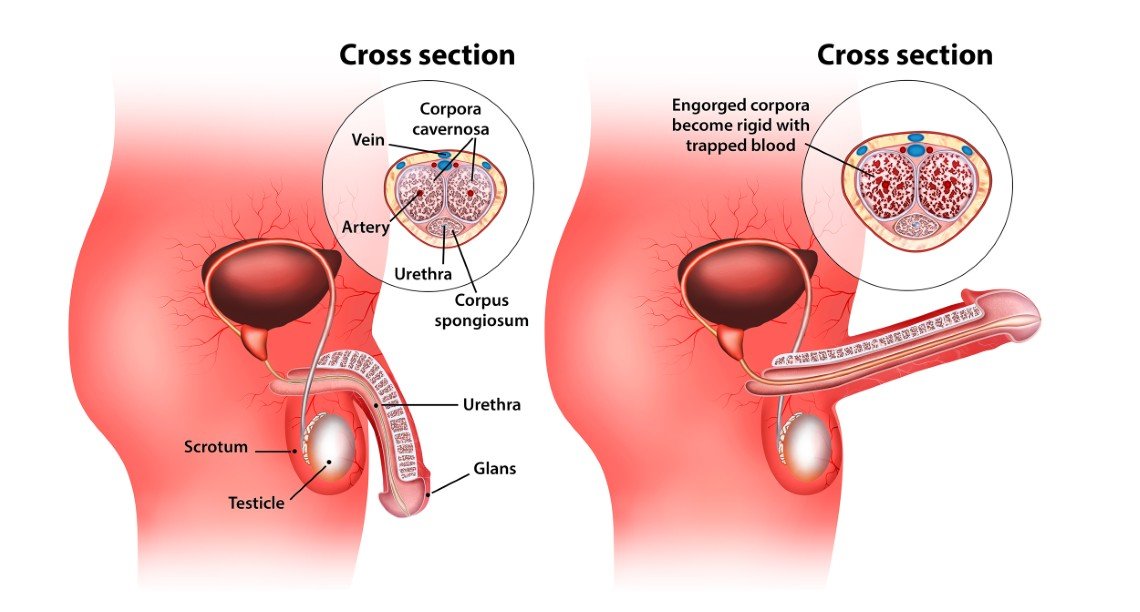
How Does an Erection Occur?
Sexual stimulation causes signals to travel through the nervous system.
These signals can cause the blood vessels in the penis to relax and widen.
As blood flow increases, erectile tissue becomes filled with blood, producing an erection.
A chemical messenger called cyclic guanosine monophosphate, or cGMP, plays an important role in this process.
Another enzyme, called phosphodiesterase type 5, or PDE5, breaks down cGMP.
When PDE5 breaks down cGMP too quickly, maintaining an erection may become more difficult in some individuals.
This is the basis for how PDE5 inhibitor medicines work.
What Are PDE5 Inhibitors?
PDE5 inhibitors are medicines used to treat erectile dysfunction in appropriate patients.
They work by inhibiting the PDE5 enzyme.
This allows cGMP activity to continue for longer, helping support increased blood flow to the penis during sexual stimulation.
Common PDE5 inhibitors include:
-
Sildenafil
-
Tadalafil
-
Vardenafil
-
Avanafil
Although these medicines work through a similar general mechanism, they differ in their pharmacological properties, duration of action, and approved uses.
How Do PDE5 Inhibitors Work?
PDE5 inhibitors do not generally cause an automatic erection.
Sexual stimulation is still normally required.
Their role is to support the natural physiological process involved in achieving and maintaining an erection.
The general process involves:
-
Sexual stimulation activates nerve signals.
-
Blood vessels in the penis relax.
-
Blood flow increases.
-
cGMP helps maintain the erectile response.
-
PDE5 inhibitors reduce the breakdown of cGMP.
The response varies from person to person.
Sildenafil
Sildenafil is one of the most widely recognized PDE5 inhibitors.
It has been used for the treatment of erectile dysfunction in appropriate patients.
Possible side effects may include:
-
Headache
-
Facial flushing
-
Indigestion
-
Nasal congestion
-
Dizziness
-
Visual disturbances in some individuals
Sildenafil may interact with certain medicines and may not be suitable for people with specific cardiovascular conditions.
Tadalafil
Tadalafil is another PDE5 inhibitor.
One of its distinguishing characteristics is its relatively long duration of action compared with some other medicines in the same category.
Tadalafil may also have other approved medical uses depending on the specific product and jurisdiction.
Potential side effects may include:
-
Headache
-
Indigestion
-
Back pain
-
Muscle aches
-
Flushing
-
Nasal congestion
Vardenafil
Vardenafil is another medicine used in certain cases of erectile dysfunction.
Like other PDE5 inhibitors, it supports blood flow during sexual stimulation.
Potential side effects can include:
-
Headache
-
Flushing
-
Indigestion
-
Nasal congestion
-
Dizziness
Medical suitability should be assessed before use.
Avanafil
Avanafil is another PDE5 inhibitor approved for erectile dysfunction in certain jurisdictions.
As with other medicines in this category, it may cause side effects and may interact with other treatments.
Common Causes of Erectile Dysfunction
Erectile dysfunction can have many causes.
Cardiovascular Disease
The blood vessels involved in erections are sensitive to changes in vascular health.
Conditions such as:
-
High blood pressure
-
Atherosclerosis
-
High cholesterol
-
Heart disease
may affect blood flow.
Erectile dysfunction can sometimes be an early indicator of cardiovascular problems.
Diabetes
Diabetes may affect:
-
Blood vessels
-
Nerves
-
Hormones
These effects can contribute to erectile difficulties.
Good management of diabetes may help reduce some complications.
Hormonal Conditions
Low testosterone and other hormonal disorders may affect sexual desire and erectile function.
However, erectile dysfunction should not automatically be attributed to low testosterone.
Appropriate testing and medical evaluation may be necessary.
Nerve Problems
Conditions affecting the nervous system can interfere with the signals required for an erection.
Possible causes include:
-
Neurological disorders
-
Spinal injuries
-
Nerve damage associated with diabetes
Medication Side Effects
Some medicines may contribute to erectile difficulties.
Potential examples include certain medicines used for:
-
High blood pressure
-
Depression
-
Anxiety
-
Prostate conditions
People should not stop prescribed medicines without consulting a healthcare professional.
Psychological Factors
Mental health can have a significant influence on sexual function.
Possible psychological contributors include:
-
Stress
-
Anxiety
-
Depression
-
Relationship difficulties
-
Performance anxiety
-
Previous negative sexual experiences
Psychological and physical causes can also occur together.
Lifestyle Factors
Lifestyle factors may contribute to erectile dysfunction.
Relevant factors may include:
-
Smoking
-
Excessive alcohol consumption
-
Lack of physical activity
-
Obesity
-
Poor sleep
-
Chronic stress
Improving general health may benefit sexual function in some individuals.
When Should Someone Speak to a Healthcare Professional?
A person should consider seeking medical advice when erectile difficulties:
-
Occur repeatedly
-
Persist over time
-
Cause significant distress
-
Affect a relationship
-
Occur alongside reduced sexual desire
-
Occur with urinary symptoms
-
Develop suddenly
Medical evaluation may help identify an underlying condition.
Erectile Dysfunction and Heart Health
Erectile dysfunction and cardiovascular disease share several risk factors.
These include:
-
High blood pressure
-
Diabetes
-
Smoking
-
High cholesterol
-
Obesity
Because the blood vessels involved in erections are relatively small, vascular problems may sometimes become noticeable in sexual function before other cardiovascular symptoms develop.
Persistent erectile dysfunction should therefore not always be treated as an isolated sexual problem.
Important Safety Warning: Nitrates
PDE5 inhibitors can interact dangerously with nitrate medicines.
Nitrates are commonly used for certain heart conditions.
Combining PDE5 inhibitors with nitrates can cause a dangerous drop in blood pressure.
People taking nitrate medicines should speak with a healthcare professional before using any PDE5 inhibitor.
Other Medication Interactions
Potential interactions may involve:
-
Nitrates
-
Certain blood pressure medicines
-
Alpha-blockers
-
Some medicines that affect liver enzymes
-
Other erectile dysfunction treatments
A complete medication history is important.
Recreational Drugs and Erectile Dysfunction Medicines
Combining PDE5 inhibitors with certain recreational substances may increase health risks.
Individuals should discuss substance use honestly with healthcare professionals so that treatment risks can be evaluated accurately.
Priapism
Priapism is a prolonged erection that can be painful and requires urgent medical attention.
An erection lasting several hours, particularly if painful, should not be ignored.
Without treatment, prolonged erections can cause permanent tissue damage.
Sudden Vision or Hearing Changes
Sudden changes in vision or hearing after taking an erectile dysfunction medicine require prompt medical attention.
These effects are uncommon but can be serious.
Counterfeit Erectile Dysfunction Medicines
The online market contains products that may be falsely labeled as erectile dysfunction medicines.
Potential risks include:
-
Incorrect active ingredients
-
Incorrect strength
-
Contamination
-
Counterfeit packaging
-
Dangerous undisclosed substances
A product that looks professional is not necessarily authentic.
Obtaining medicines through regulated and legitimate healthcare channels is important for safety.
Lifestyle Approaches to Sexual Health
Medical treatment is only one part of men’s sexual health.
Other approaches may include:
-
Regular physical activity
-
Maintaining a healthy weight
-
Stopping smoking
-
Limiting excessive alcohol
-
Improving sleep
-
Managing stress
-
Controlling diabetes and blood pressure
These changes may benefit both sexual and cardiovascular health.
Common Questions About Erectile Dysfunction
Is erectile dysfunction a normal part of aging?
Erectile difficulties become more common with age, but persistent ED should not automatically be considered an unavoidable part of aging.
It may be related to treatable health conditions.
Do PDE5 inhibitors increase sexual desire?
PDE5 inhibitors primarily support the physical erectile response.
They do not necessarily increase sexual desire.
Do PDE5 inhibitors cause an erection automatically?
Generally, sexual stimulation is still required.
Can erectile dysfunction be a sign of another health problem?
Yes. ED can be associated with cardiovascular disease, diabetes, hormonal conditions, and other health issues.
Can stress cause erectile dysfunction?
Yes. Stress and anxiety can affect sexual function.
Should someone stop their blood pressure medicine if it affects sexual function?
No. People should speak with a healthcare professional rather than stopping prescribed treatment independently.
Can erectile dysfunction be treated?
In many cases, treatment options are available.
The appropriate treatment depends on the underlying cause and individual health.
Questions to Ask a Healthcare Professional
A person experiencing erectile difficulties may wish to ask:
-
What could be causing my symptoms?
-
Should I be tested for diabetes or cardiovascular risk factors?
-
Could any of my current medicines be contributing?
-
Is a PDE5 inhibitor suitable for me?
-
Are there interactions with my current medications?
-
Should I be evaluated for hormonal problems?
-
What lifestyle changes could help?
-
When should I seek urgent medical care?
Final Summary
Erectile dysfunction is a common health concern that can result from physical, psychological, hormonal, neurological, medication-related, or lifestyle factors.
PDE5 inhibitors such as sildenafil, tadalafil, vardenafil, and avanafil work by supporting the natural blood-flow mechanisms involved in erections.
However, these medicines are not suitable for everyone.
The most important safety consideration is the potentially dangerous interaction between PDE5 inhibitors and nitrate medicines.
Persistent erectile dysfunction may also be an early sign of underlying cardiovascular disease, diabetes, or other health conditions.
Anyone experiencing recurring erectile difficulties should consider speaking with a qualified healthcare professional.
Men’s sexual health is an important part of overall health, and seeking medical advice should be viewed as a responsible step rather than something embarrassing.
Educational disclaimer: This article is for general educational and informational purposes only. It does not provide individualized medical advice, diagnosis, or treatment recommendations. It does not provide personalized dosing instructions. Anyone considering treatment for erectile dysfunction should consult a qualified healthcare professional.
