
Style
Cardiovascular Health and Heart Medicines
Dec
Cardiovascular Health and Heart Medicines: Understanding Blood Pressure Treatments, Beta Blockers, Statins, and Cholesterol Management
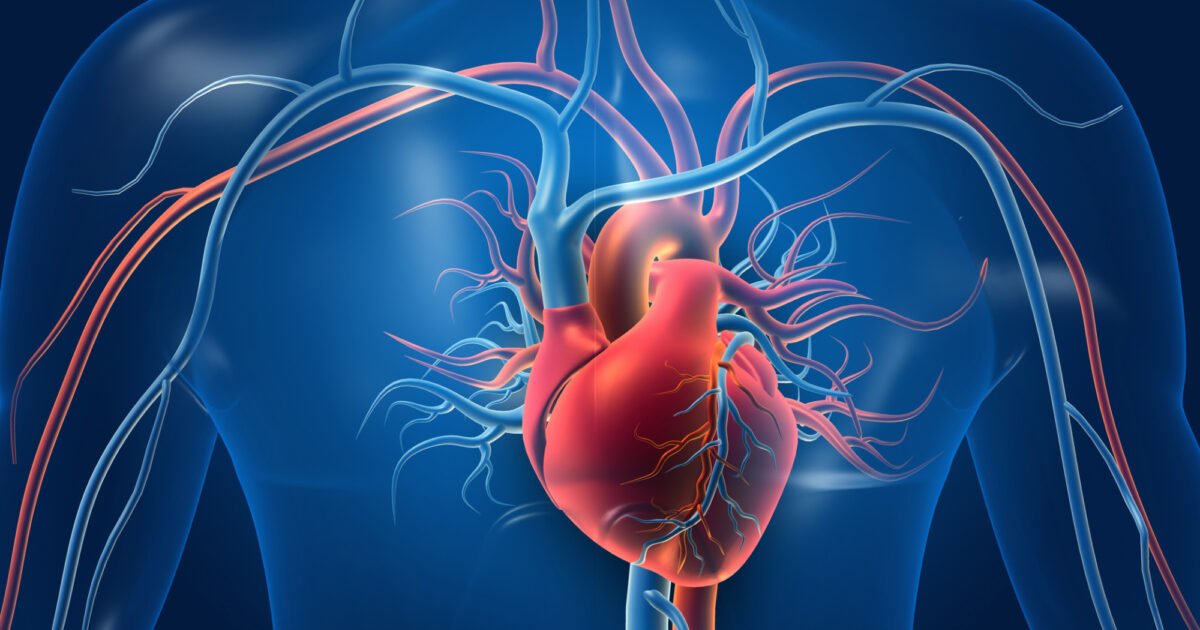
Cardiovascular health is an important part of overall well-being. The cardiovascular system includes the heart and blood vessels, which work together to circulate blood, oxygen, and nutrients throughout the body.
Conditions affecting the cardiovascular system are among the most common health problems worldwide. High blood pressure, high cholesterol, heart disease, and other cardiovascular conditions can sometimes develop without obvious symptoms.
Fortunately, many cardiovascular risk factors can be managed through lifestyle changes, regular medical monitoring, and appropriate medicines.
Common medicines used in cardiovascular care include blood pressure treatments, beta blockers, cholesterol-lowering medicines, and other therapies designed to reduce cardiovascular risk.
This educational guide explains how common heart medicines work, what beta blockers and statins do, why cholesterol treatment may be important, and what questions patients may wish to discuss with a healthcare professional.
Why Cardiovascular Health Matters
The heart pumps blood through a network of blood vessels that extends throughout the body.
The cardiovascular system delivers:
-
Oxygen
-
Nutrients
-
Hormones
It also helps remove waste products from tissues.
When cardiovascular health is affected, the consequences can involve many organs.
Common cardiovascular risk factors include:
-
High blood pressure
-
High cholesterol
-
Diabetes
-
Smoking
-
Obesity
-
Physical inactivity
-
Excessive alcohol consumption
-
Family history
-
Increasing age
Some risk factors can be changed, while others cannot.
Understanding High Blood Pressure
High blood pressure, also called hypertension, occurs when the force of blood against artery walls remains consistently elevated.
Blood pressure is measured using two numbers:
Systolic Pressure
This is the pressure when the heart contracts and pumps blood.
Diastolic Pressure
This is the pressure when the heart relaxes between beats.
Blood pressure can vary throughout the day.
Stress, exercise, caffeine, illness, and other factors can temporarily affect readings.
A diagnosis of hypertension usually requires appropriate measurements and clinical evaluation rather than relying on a single reading.
Why High Blood Pressure Can Be Dangerous
High blood pressure may not cause obvious symptoms.
For this reason, it is sometimes described as a condition that can remain unnoticed for years.
Over time, uncontrolled high blood pressure may increase the risk of:
-
Heart disease
-
Stroke
-
Kidney disease
-
Heart failure
-
Blood vessel damage
Managing blood pressure is therefore an important part of long-term cardiovascular health.
Understanding Blood Pressure Medicines
Different classes of medicines can be used to manage high blood pressure.
The choice depends on factors such as:
-
Age
-
Other medical conditions
-
Kidney function
-
Diabetes
-
Cardiovascular risk
-
Other medicines
Common categories include:
-
ACE inhibitors
-
Angiotensin receptor blockers
-
Calcium channel blockers
-
Diuretics
-
Beta blockers
Each class works differently.
ACE Inhibitors
ACE inhibitors affect a hormonal system involved in blood vessel narrowing and blood pressure regulation.
They can help relax blood vessels and reduce blood pressure.
Potential side effects may include:
-
Dizziness
-
Low blood pressure
-
Changes in kidney function
-
Increased potassium levels
-
Persistent dry cough in some people
Healthcare professionals may monitor kidney function and blood tests when appropriate.
Angiotensin Receptor Blockers
Angiotensin receptor blockers, often called ARBs, affect the same broader blood pressure regulation system through a different mechanism.
They may be prescribed when an ACE inhibitor is unsuitable or causes certain side effects.
Calcium Channel Blockers
Calcium channel blockers affect calcium movement in certain muscle cells.
Depending on the specific medicine, they may:
-
Relax blood vessels
-
Reduce blood pressure
-
Affect heart rate
Possible side effects can include:
-
Headache
-
Flushing
-
Dizziness
-
Swollen ankles
Diuretics
Diuretics are sometimes called water tablets.
They influence the kidneys and can help reduce excess fluid and sodium in the body.
Different types of diuretics have different effects.
Potential concerns may include changes in:
-
Sodium
-
Potassium
-
Kidney function
What Are Beta Blockers?
Beta blockers are medicines that block the effects of certain stress hormones, particularly adrenaline, on beta receptors.
This can affect:
-
Heart rate
-
Blood pressure
-
The force of heart contraction
Beta blockers are used in a range of cardiovascular conditions.
What Are Beta Blockers Used For?
Depending on the specific medicine, beta blockers may be used for:
-
High blood pressure
-
Certain heart rhythm disorders
-
Angina
-
Previous heart attacks
-
Heart failure
-
Some other medical conditions
The exact use depends on the medicine and the patient’s health.
How Do Beta Blockers Work?
Beta blockers reduce the effects of adrenaline and related hormones on the heart.
This can:
-
Slow the heart rate
-
Reduce the force of contraction
-
Reduce the workload of the heart
Some beta blockers also affect blood vessels or other tissues.
Possible Side Effects of Beta Blockers
Potential side effects may include:
-
Tiredness
-
Dizziness
-
Cold hands and feet
-
Reduced exercise tolerance
-
Sleep disturbance
-
Slow heart rate
Some individuals may also experience sexual side effects.
People should not stop beta blockers suddenly without medical guidance because abrupt withdrawal can be dangerous in some situations.
Beta Blockers and Asthma
Some beta blockers can affect the airways.
People with asthma or certain breathing conditions should inform their healthcare professional before starting treatment.
The suitability of a particular beta blocker depends on the individual’s circumstances.
How Do Statins Work?
Statins are medicines used to reduce cholesterol levels.
They primarily reduce the liver’s production of cholesterol by inhibiting an enzyme involved in cholesterol synthesis.
The liver then increases its removal of LDL cholesterol from the bloodstream.
Understanding LDL and HDL Cholesterol
LDL Cholesterol
LDL is often called “bad cholesterol.”
High levels can contribute to the development of fatty deposits in artery walls.
HDL Cholesterol
HDL is often referred to as “good cholesterol.”
It is involved in transporting cholesterol away from tissues.
However, cardiovascular risk depends on more than one cholesterol number.
Healthcare professionals may consider the overall risk profile.
Why Is Cholesterol Treatment Important?
High cholesterol may not cause symptoms.
However, over time, elevated LDL cholesterol can contribute to atherosclerosis.
Atherosclerosis occurs when fatty deposits build up inside arteries.
This can increase the risk of:
-
Heart attack
-
Stroke
-
Peripheral artery disease
Reducing cardiovascular risk may involve lifestyle changes, medicines, or both.
Common Statin Side Effects
Some individuals taking statins may experience:
-
Muscle aches
-
Headache
-
Digestive symptoms
-
Fatigue
Most people tolerate statins well, but unexplained muscle pain or weakness should be discussed with a healthcare professional.
Rare but serious muscle complications can occur.
Statins and the Liver
Statins are processed partly by the liver.
Healthcare professionals may assess liver health before and during treatment when appropriate.
Individuals should inform their healthcare professional about liver disease or heavy alcohol use.
Lifestyle and Cholesterol Management
Lifestyle factors can affect cholesterol and cardiovascular risk.
Helpful measures may include:
-
Eating a balanced diet
-
Increasing physical activity
-
Maintaining a healthy weight
-
Avoiding smoking
-
Limiting excessive alcohol
-
Managing diabetes
Lifestyle changes do not necessarily replace prescribed medication, particularly when cardiovascular risk is high.
Common Questions About Heart Medicines
Do blood pressure medicines cure hypertension?
Many blood pressure medicines control hypertension rather than permanently curing the underlying tendency toward high blood pressure.
Some individuals may require long-term treatment.
Can blood pressure medicines be stopped when readings improve?
Patients should not stop prescribed medication without speaking to a healthcare professional.
Improved readings may indicate that treatment is working.
Can beta blockers be stopped suddenly?
Stopping some beta blockers abruptly may cause serious problems.
Medical advice should be obtained before changing treatment.
Do statins remove all cholesterol from the body?
No.
Statins reduce the production of cholesterol and help lower certain cholesterol levels.
Are statins only for people who have already had a heart attack?
No.
They may be prescribed for both prevention and treatment depending on cardiovascular risk.
Can lifestyle changes lower cholesterol?
Yes.
Diet, physical activity, weight management, and avoiding smoking can help improve cardiovascular risk factors.
Can cardiovascular medicines interact with other medicines?
Yes.
Potential interactions can occur with prescription medicines, over-the-counter medicines, and supplements.
A complete medication list is important.
When Should Someone Seek Urgent Medical Help?
Certain symptoms may require urgent medical attention.
These can include:
-
Severe chest pain
-
Sudden shortness of breath
-
Fainting
-
Sudden weakness on one side of the body
-
Difficulty speaking
-
Severe palpitations
-
Sudden loss of consciousness
Emergency symptoms should not be managed by changing medication independently.
The Importance of Regular Monitoring
Cardiovascular treatment often requires ongoing monitoring.
Depending on the condition and medicine, this may include:
-
Blood pressure measurements
-
Heart rate
-
Cholesterol testing
-
Kidney function
-
Liver function
-
Blood glucose
Regular monitoring allows healthcare professionals to assess treatment effectiveness and identify potential problems.
Cardiovascular Health and Medication Adherence
Taking cardiovascular medicines consistently is important.
Some medicines work best when taken regularly.
Missing doses or stopping treatment may allow blood pressure, cholesterol, or other risk factors to become uncontrolled.
Patients who have difficulty taking their medication should discuss the problem with a healthcare professional.
Final Summary
Cardiovascular health is influenced by many factors, including blood pressure, cholesterol, diabetes, lifestyle, genetics, and age.
Blood pressure medicines work through several different mechanisms, including relaxing blood vessels, affecting fluid balance, or reducing the effects of hormones that increase blood pressure.
Beta blockers reduce the effects of adrenaline on the heart and may be used for conditions such as certain heart rhythm problems, angina, heart failure, and other cardiovascular conditions.
Statins reduce the production of cholesterol in the liver and help lower LDL cholesterol in appropriate patients.
Because cardiovascular medicines can affect the heart, blood vessels, kidneys, liver, and other systems, they should be used according to professional medical advice.
Anyone with questions about blood pressure, cholesterol, heart medicines, or possible side effects should speak with a qualified healthcare professional.
Educational disclaimer: This article is for general educational and informational purposes only. It does not provide individualized medical advice, diagnosis, or treatment recommendations. It does not provide personalized dosing instructions. Prescribed cardiovascular medicines should not be started, stopped, or changed without appropriate medical guidance.
Nam at nisi risus. Proin pretium, dolor vel venenatis suscipit, dui nunc tincidunt lectus, ac placerat felis dui in justo. Aliquam orci velit, facilisis in facilisis non, scelerisque in massa. Integer scelerisque odio nec eros sodales laoreet. Sed sed odio tellus. In tristique felis ac facilisis tempor. Nunc non enim in dolor congue pulvinar sed sed nisi. Mauris viverra convallis feugiat. Nam at mauris laoreet, dictum leo at, tristique mi. Aenean pellentesque justo vel diam elementum iaculis. Nam lobortis cursus vestibulum. Nulla feugiat mauris felis, auctor pretium dui euismod in.
Vestibulum et enim vitae lectus malesuada aliquam vitae non mi. Suspendisse tellus eros, ultricies nec lorem feugiat, pharetra auctor dui. Suspendisse placerat neque leo, nec commodo eros ultrices vel. Fusce elit libero, aliquam quis libero non, consectetur accumsan est. Proin tempus mauris id cursus posuere. Sed et rutrum felis, vel aliquet ante. Interdum et malesuada fames ac ante ipsum primis in faucibus. Pellentesque neque tellus, condimentum non eros non, consectetur auctor lacus. Curabitur malesuada odio eget elit egestas porttitor.
