
Aricept: Uses, Dosage, Side Effects, Safety, and Frequently Asked Questions
Learn about Aricept (donepezil), including its uses for Alzheimer’s disease, dosage, side effects, safety precautions, drug interactions, and frequently asked questions.
Aricept: Everything You Need to Know
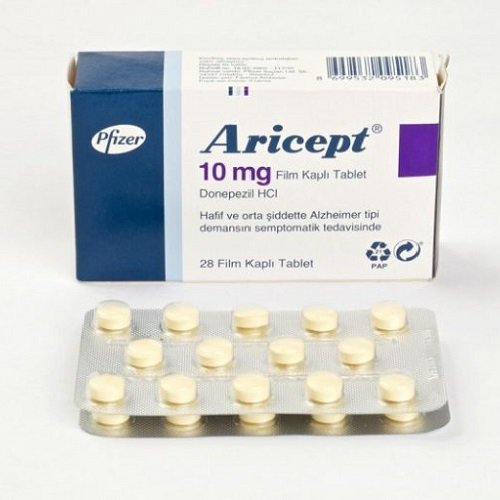
Aricept contains Donepezil, a prescription medication used to treat symptoms of Alzheimer disease. It does not cure Alzheimer’s disease, but it may help improve memory, thinking, and daily functioning in some patients by increasing levels of a brain chemical called acetylcholine.
Aricept is commonly prescribed for mild, moderate, and severe stages of Alzheimer’s disease and is often used as part of a broader care plan that may include other medications, cognitive therapy, and caregiver support.
This guide explains how Aricept works, its uses, dosage, side effects, safety information, and frequently asked questions.
What Is Aricept?
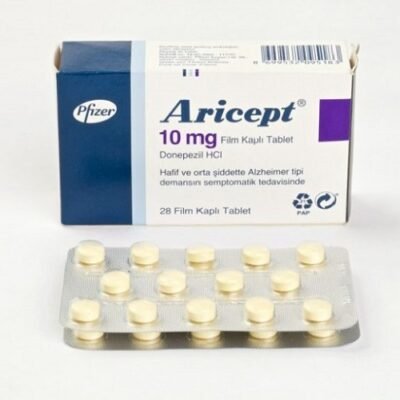
Aricept is a cholinesterase inhibitor that works in the brain to increase acetylcholine, a neurotransmitter important for memory, learning, and attention.
In Alzheimer’s disease, brain cells that produce acetylcholine are damaged. By slowing the breakdown of this chemical, Aricept may help improve communication between nerve cells.
Approved Medical Uses
Healthcare providers prescribe Aricept for:
- Alzheimer disease (mild, moderate, and severe stages)
- Improvement of cognitive function (memory, attention, reasoning)
- Support of daily living activities
- Symptom management in progressive dementia conditions
It does not stop or reverse disease progression, but may slow symptom worsening in some individuals.
How Does Donepezil Work?
Donepezil works by inhibiting the enzyme acetylcholinesterase, which breaks down acetylcholine.
This leads to:
- Increased acetylcholine levels in the brain
- Improved communication between nerve cells
- Better memory and cognitive function in some patients
- Slower decline in certain Alzheimer’s symptoms
The effects vary from person to person.
How Should Aricept Be Taken?
Aricept should always be taken exactly as prescribed.
General recommendations include:
- Take once daily, usually in the evening before bed.
- Take with or without food.
- Swallow the tablet whole with water.
- Do not stop taking without medical advice.
- Your healthcare provider may increase the dose gradually.
Regular use is important for best results.
Common Side Effects
Many people tolerate Aricept, but side effects are relatively common.
Common side effects include:
- Nausea
- Diarrhea
- Loss of appetite
- Muscle cramps
- Fatigue
- Insomnia or vivid dreams
- Dizziness
- Headache
These effects may improve as the body adjusts.
Serious Safety Warnings
Although rare, serious side effects can occur.
Potential risks include:
- Slow heart rate (bradycardia)
- Fainting
- Gastrointestinal bleeding
- Seizures
- Severe allergic reactions
- Worsening of asthma or COPD symptoms
Seek immediate medical attention if you experience chest pain, fainting, severe vomiting, black stools, or difficulty breathing.
Important Precautions
Before taking Aricept, tell your healthcare provider if you have:
- Heart rhythm problems
- Stomach ulcers or bleeding history
- Asthma or chronic lung disease
- Seizure disorders
- Liver disease
- Urinary problems
Older adults may be more sensitive to side effects such as dizziness or fainting.
Drug Interactions
Aricept may interact with other medications.
Tell your healthcare provider about all:
- Prescription medicines
- Over-the-counter drugs
- Herbal supplements
Important interactions include:
- Anticholinergic drugs (may reduce effectiveness of donepezil)
- Beta-blockers (may increase risk of slow heart rate)
- Certain anesthetics
- NSAIDs (may increase risk of stomach bleeding)
Your healthcare provider may adjust treatment or monitor you closely.
Monitoring During Treatment
Healthcare providers may monitor:
- Cognitive function (memory and thinking ability)
- Heart rate
- Weight and appetite
- Gastrointestinal symptoms
- Overall daily functioning
Regular follow-ups help assess whether the medication is beneficial.
Lifestyle and Care Support for Alzheimer’s Disease
Medication works best when combined with supportive care, such as:
- Structured daily routines
- Cognitive stimulation activities
- Regular physical exercise
- Balanced nutrition
- Safe home environment modifications
- Caregiver education and support
These measures can improve quality of life and safety.
Safe Storage
Store Aricept according to prescription instructions:
- Store at room temperature
- Keep away from moisture and heat
- Keep in original packaging
- Keep out of reach of children and pets
Dispose of unused medication through pharmacy take-back programs.
Frequently Asked Questions
What is Aricept used for?
Aricept is used to treat symptoms of Alzheimer’s disease, including memory loss and confusion.
Does Aricept cure Alzheimer’s disease?
No. It does not cure or stop the disease but may help manage symptoms.
How long does Aricept take to work?
Some improvement may be noticed within a few weeks, but full effects vary.
Can Aricept be taken long term?
Yes. It is often used long term under medical supervision.
What happens if I stop taking Aricept?
Symptoms may gradually return or worsen. Do not stop without consulting a healthcare provider.
Conclusion
Aricept (donepezil) is a commonly prescribed medication for Alzheimer’s disease that may help improve memory, thinking, and daily functioning by increasing acetylcholine levels in the brain. While it does not cure the condition, it can play an important role in symptom management and quality of life.
Consistent use, regular medical follow-up, and supportive care strategies are key to maximizing its benefits.
Aricept, donepezil, Alzheimer treatment, dementia medication, memory loss treatment, cholinesterase inhibitor, Alzheimer disease drug, cognitive function medication, dementia care, brain health medication, prescription Alzheimer drug, Aricept side effects, memory improvement medication, neurodegenerative disease treatment, healthcare information, patient education, donepezil uses, Alzheimer’s disease management, dementia treatment guide.
| Quantity | 30 Pills, 60 Pills, 120 Pills, 180 Pills, 200 Pills, 250 Pills, 300 Pills, 400 Pills, 500 Pills |
|---|
Be the first to review “Aricept”
Related products
Drugs

Drugs
Drugs

Drugs

Drugs
Drugs

Drugs
Reviews
There are no reviews yet.