
Low-Dose Aspirin: Uses, Benefits, Dosage, Side Effects, Safety, and Frequently Asked Questions
Learn about low-dose aspirin, including its uses for heart attack and stroke prevention, dosage, side effects, safety precautions, and frequently asked questions.
Low-Dose Aspirin: Everything You Need to Know
Aspirin at low doses is commonly used for its blood-thinning (antiplatelet) effects. It helps prevent blood clots that can lead to serious cardiovascular events such as heart attacks and strokes.
Low-dose aspirin is often prescribed for long-term prevention in people at increased risk of cardiovascular disease. However, it is not suitable for everyone and should only be used under medical supervision.
This guide explains how low-dose aspirin works, its uses, dosage, side effects, safety information, and frequently asked questions.
What Is Low-Dose Aspirin?
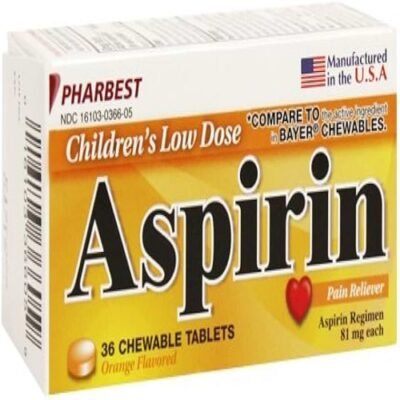
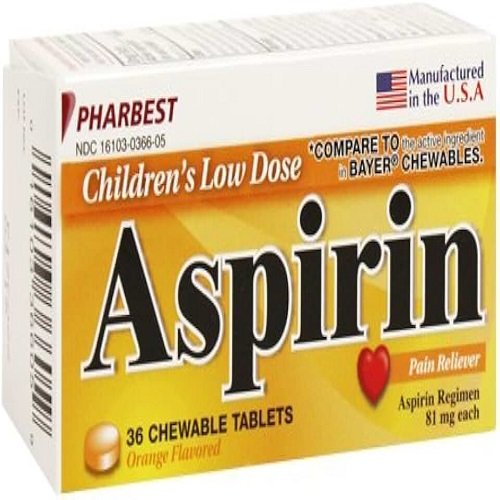
Low-dose aspirin refers to smaller daily doses (typically 75–100 mg) used primarily for cardiovascular protection rather than pain relief.
It works by reducing the ability of platelets in the blood to clump together, lowering the risk of dangerous clot formation in arteries.
Unlike higher-dose aspirin, low-dose therapy is not intended for treating fever or general pain.
Approved Medical Uses
Healthcare providers may prescribe low-dose aspirin for:
- Prevention of heart attack in high-risk individuals
- Prevention of stroke in certain patients
- Management of Coronary artery disease
- Prevention of blood clots after certain heart procedures (e.g., stents)
- Secondary prevention after previous heart attack or stroke
It is generally used for long-term cardiovascular protection, not short-term symptom relief.
How Does Low-Dose Aspirin Work?
Low-dose aspirin works by blocking an enzyme called COX-1, which reduces production of thromboxane A2—a chemical that causes platelets to stick together.
This helps:
- Prevent blood clot formation
- Improve blood flow through arteries
- Reduce risk of heart attack and ischemic stroke
- Protect blood vessels in high-risk cardiovascular patients
Because its effect lasts for the lifespan of a platelet, aspirin is usually taken once daily.
How Should Low-Dose Aspirin Be Taken?
Low-dose aspirin should always be taken exactly as prescribed.
General recommendations include:
- Take once daily at the same time each day.
- Swallow with water; taking with food may reduce stomach irritation.
- Do not take higher doses unless directed by a healthcare provider.
- Do not stop suddenly without medical advice, especially if prescribed after a heart event.
Enteric-coated tablets may reduce stomach irritation in some individuals.
Common Side Effects
Many people tolerate low-dose aspirin well.
Common side effects include:
- Stomach irritation or discomfort
- Heartburn
- Mild nausea
- Easy bruising
- Mild bleeding (such as nosebleeds or gum bleeding)
These effects are often mild but should be monitored.
Serious Safety Warnings
Although low-dose aspirin is widely used, it can cause serious side effects in some cases.
Potential risks include:
- Gastrointestinal bleeding
- Peptic ulcer disease
- Hemorrhagic stroke (rare but serious bleeding in the brain)
- Severe allergic reactions (especially in aspirin-sensitive individuals)
- Kidney problems with long-term use in susceptible patients
Seek immediate medical attention if you experience black stools, vomiting blood, severe abdominal pain, sudden weakness, or unusual bleeding.
Important Precautions
Before taking low-dose aspirin, tell your healthcare provider if you have:
- History of stomach ulcers or gastrointestinal bleeding
- Bleeding disorders
- Asthma (some people are aspirin-sensitive)
- Kidney disease
- Liver disease
- Pregnancy (especially late pregnancy)
Aspirin is not suitable for everyone, and risks must be carefully weighed against benefits.
Drug Interactions
Low-dose aspirin may interact with other medications.
Tell your healthcare provider about all:
- Prescription medicines
- Over-the-counter drugs
- Herbal supplements
Important interactions include:
- Warfarin (increased bleeding risk)
- Other blood thinners (e.g., clopidogrel)
- NSAIDs like ibuprofen or naproxen
- Certain antidepressants (SSRIs/SNRIs)
- Corticosteroids
Your doctor may adjust dosing or recommend stomach protection therapy.
Monitoring During Treatment
Healthcare providers may monitor:
- Signs of bleeding or bruising
- Blood pressure and cardiovascular risk
- Kidney function in long-term use
- Gastrointestinal symptoms
- Overall cardiovascular health
Regular follow-up ensures safe long-term use.
Lifestyle Tips for Heart Protection
Low-dose aspirin is often part of a broader heart health plan, which may include:
- Healthy diet (low in saturated fat and salt)
- Regular physical activity
- Smoking cessation
- Weight management
- Blood pressure control
- Cholesterol management
These lifestyle measures significantly reduce cardiovascular risk.
Safe Storage
Store low-dose aspirin properly:
- Keep at room temperature
- Protect from moisture
- Keep in original packaging
- Store out of reach of children and pets
Do not use expired medication.
Frequently Asked Questions
What is low-dose aspirin used for?
It is used to reduce the risk of heart attack and stroke in people at increased cardiovascular risk.
Is low-dose aspirin a blood thinner?
Yes. It works as an antiplatelet medication that helps prevent blood clots.
Can I take aspirin every day?
Only if prescribed by your healthcare provider. Daily use is not recommended for everyone.
What is the difference between low-dose and regular aspirin?
Low-dose aspirin is used for heart protection, while higher doses are used for pain and inflammation.
Can aspirin cause bleeding?
Yes. The most important risk is increased bleeding, especially in the stomach or intestines.
Conclusion
Low-dose aspirin is an important medication used to reduce the risk of heart attack and stroke by preventing blood clot formation. When used appropriately, it can provide significant cardiovascular protection, especially in high-risk patients.
However, because it increases bleeding risk, it should only be taken under medical guidance with careful consideration of individual health conditions.
low-dose aspirin, aspirin 81 mg, aspirin for heart attack prevention, blood thinner aspirin, antiplatelet therapy, cardiovascular disease prevention, stroke prevention medication, aspirin side effects, aspirin safety, coronary artery disease treatment, heart protection medication, aspirin daily use, cardiovascular risk reduction, patient education, healthcare information, acetylsalicylic acid low dose, aspirin therapy guide, blood clot prevention medication.
| Quantity | 30 Pills, 60 Pills, 120 Pills, 180 Pills, 200 Pills, 250 Pills, 300 Pills, 400 Pills, 500 Pills |
|---|
Be the first to review “Aspirin – low-dose, see Low-dose aspirin”
Related products
Drugs
Drugs
Drugs
Drugs
Drugs
Drugs
Drugs
Drugs
Reviews
There are no reviews yet.