
Alogliptin: Uses, Dosage, Side Effects, Safety, and Frequently Asked Questions
Learn about Alogliptin, including its uses, dosage, side effects, safety precautions, drug interactions, and frequently asked questions for the management of type 2 diabetes.
Alogliptin: Everything You Need to Know
Alogliptin is a prescription medication used to improve blood sugar control in adults with Type 2 diabetes. It belongs to a class of medicines known as dipeptidyl peptidase-4 (DPP-4) inhibitors, which help the body regulate blood glucose levels more effectively.
Alogliptin is typically used alongside a healthy diet, regular physical activity, and other lifestyle changes. Depending on an individual’s treatment plan, it may be prescribed alone or in combination with other diabetes medications.
This guide explains how Alogliptin works, its approved uses, dosing recommendations, possible side effects, safety precautions, and answers to common questions.
What Is Alogliptin?
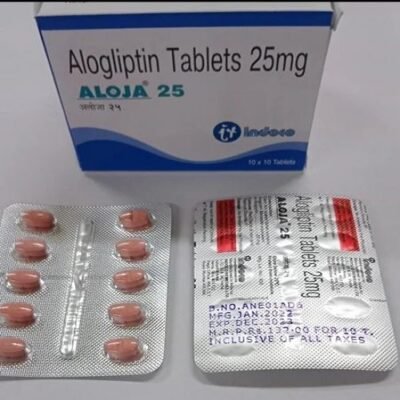
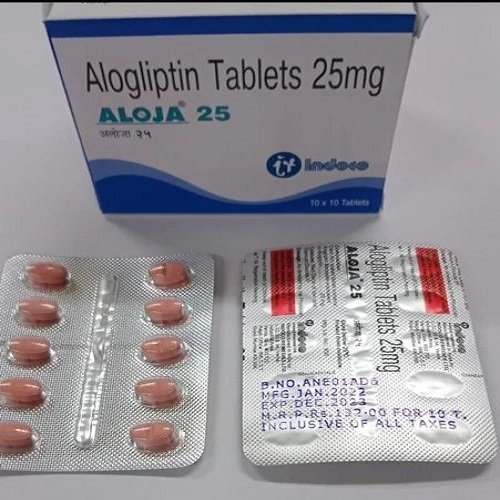
Alogliptin is an oral diabetes medication that helps the body produce more insulin when blood sugar levels are elevated and reduces the amount of glucose produced by the liver after meals.
Unlike insulin, Alogliptin does not replace the body’s insulin production. Instead, it supports the body’s natural response to rising blood glucose levels.
Approved Medical Uses
Healthcare providers prescribe Alogliptin for:
- Improving blood glucose control in adults with Type 2 diabetes
- Use as a single medication when appropriate
- Combination therapy with other diabetes medications when additional blood sugar control is needed
Alogliptin is not indicated for:
- Type 1 diabetes
- Diabetic ketoacidosis
How Does Alogliptin Work?
Alogliptin blocks the DPP-4 enzyme, which increases the activity of natural hormones called incretins.
These hormones help:
- Stimulate insulin release after meals
- Reduce glucagon production
- Lower glucose production by the liver
- Improve blood sugar control
- Reduce post-meal blood glucose spikes
Because its effects depend on blood glucose levels, Alogliptin generally has a lower risk of causing hypoglycemia when used alone.
How Should Alogliptin Be Taken?
Alogliptin should always be taken exactly as prescribed.
General recommendations include:
- Take once daily or as directed by your healthcare provider.
- It may be taken with or without food.
- Take it at the same time each day.
- Continue healthy eating and regular exercise while taking the medication.
- Do not stop treatment without consulting your healthcare provider.
People with reduced kidney function may require dose adjustments.
Common Side Effects
Many people tolerate Alogliptin well.
Common side effects may include:
- Headache
- Nasal congestion
- Sore throat
- Upper respiratory tract infections
- Mild stomach discomfort
Most side effects are mild and temporary.
Serious Safety Warnings
Although uncommon, serious side effects can occur.
Potential risks include:
- Pancreatitis
- Severe allergic reactions
- Severe joint pain
- Liver injury
- Worsening Heart failure in susceptible individuals
Seek immediate medical attention if you develop severe abdominal pain, difficulty breathing, swelling of the face or throat, or yellowing of the skin or eyes.
Important Precautions
Before taking Alogliptin, tell your healthcare provider if you have:
- Kidney disease
- Liver disease
- Heart failure
- A history of pancreatitis
- Pregnancy or breastfeeding considerations
Regular medical follow-up helps ensure the medication remains appropriate for your condition.
Drug Interactions
Alogliptin may interact with other medications.
Inform your healthcare provider about all:
- Prescription medicines
- Over-the-counter medications
- Vitamins
- Herbal supplements
Extra monitoring may be needed when Alogliptin is used with:
- Insulin
- Sulfonylureas
- Other glucose-lowering medications
Combining these medicines may increase the risk of low blood sugar.
Monitoring During Treatment
Healthcare providers may monitor:
- Blood glucose levels
- Hemoglobin A1c (HbA1c)
- Kidney function
- Liver function when appropriate
- Signs of side effects
- Overall diabetes management
Regular check-ups help evaluate treatment effectiveness and guide any needed adjustments.
Lifestyle Tips for Managing Type 2 Diabetes
Medication works best when combined with healthy habits, including:
- Following a balanced meal plan
- Staying physically active
- Maintaining a healthy weight
- Monitoring blood glucose as recommended
- Taking medications consistently
- Attending regular medical appointments
These lifestyle measures can improve long-term diabetes control and reduce the risk of complications.
Safe Storage
Store Alogliptin according to the prescription label.
General recommendations include:
- Store at room temperature.
- Protect from moisture and excessive heat.
- Keep in the original container.
- Keep out of reach of children and pets.
Dispose of expired or unused medication according to local pharmacy recommendations.
Frequently Asked Questions
What is Alogliptin used for?
Alogliptin is used to improve blood sugar control in adults with Type 2 diabetes as part of a comprehensive treatment plan.
Is Alogliptin insulin?
No. Alogliptin is an oral DPP-4 inhibitor that helps the body regulate blood sugar but is not a form of insulin.
Can Alogliptin cause low blood sugar?
When used alone, the risk is generally low. However, the risk may increase when combined with insulin or certain other diabetes medications.
Can people with kidney disease take Alogliptin?
Yes, but dose adjustments may be necessary depending on kidney function. Your healthcare provider will determine the appropriate dose.
How long does Alogliptin take to work?
Blood sugar improvements may begin within days, while HbA1c improvements are typically evaluated over several weeks to months.
Conclusion
Alogliptin is an oral DPP-4 inhibitor that helps adults with Type 2 diabetes improve blood sugar control by enhancing the body’s natural incretin system. When combined with healthy lifestyle choices and regular medical care, it can be an effective part of a long-term diabetes management plan.
Routine monitoring, medication adherence, and ongoing communication with your healthcare provider are essential to maximize benefits and reduce the risk of complications.
Alogliptin, Alogliptin tablets, DPP-4 inhibitor, Type 2 diabetes medication, diabetes treatment, blood sugar control, oral diabetes medicine, glucose lowering medication, HbA1c management, diabetes management, prescription diabetes medication, diabetic patient education, medication safety, healthcare information, Alogliptin side effects, diabetes care, blood glucose management, oral antidiabetic medication, Type 2 diabetes treatment, DPP-4 diabetes medication.
| Quantity | 30 Pills, 60 Pills, 120 Pills, 180 Pills, 200 Pills, 250 Pills, 300 Pills, 400 Pills, 500 Pills |
|---|
Be the first to review “Alogliptin”
Related products

Drugs

Drugs
Drugs
Drugs
Drugs
Drugs

Drugs
Reviews
There are no reviews yet.