
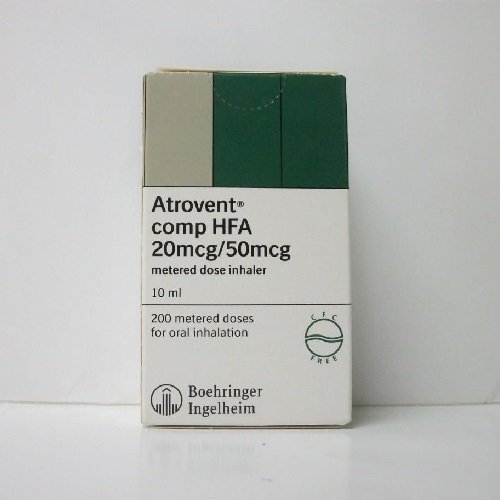


Atrovent HFA: Uses, Dosage, Side Effects, Safety, and Frequently Asked Questions
Atrovent HFA: Uses, Side Effects & COPD and Asthma Inhaler Guide
Learn about Atrovent HFA (ipratropium), including its uses for COPD and asthma, dosage, side effects, safety precautions, and frequently asked questions.
Atrovent HFA: Everything You Need to Know
Atrovent HFA contains Ipratropium, a prescription inhaled medication used to help open the airways in people with chronic breathing conditions such as Chronic obstructive pulmonary disease and sometimes Asthma.
Atrovent HFA is a short-acting bronchodilator (anticholinergic) that helps reduce bronchospasm, making it easier to breathe. It is typically used as a maintenance or “rescue-support” inhaler alongside other respiratory medications.
What Is Atrovent HFA?
Atrovent HFA is an inhaled medication delivered through a metered-dose inhaler. It works locally in the lungs to relax airway muscles and reduce mucus production.
Unlike fast-acting beta-agonist inhalers (such as albuterol), Atrovent works by blocking muscarinic receptors in the airways, leading to gradual airway relaxation.
It is not usually the first-choice rescue inhaler but is often used in combination therapy for chronic lung disease.
Approved Medical Uses
Healthcare providers prescribe Atrovent HFA for:
- Maintenance treatment of Chronic obstructive pulmonary disease
- Relief of bronchospasm associated with COPD
- Adjunct therapy in moderate to severe asthma
- Management of chronic bronchitis symptoms
- Reducing wheezing and shortness of breath
It is not typically used as a sole emergency rescue inhaler.
How Does Ipratropium Work?
Ipratropium is an anticholinergic bronchodilator that blocks muscarinic receptors in airway smooth muscle.
This leads to:
- Relaxation of bronchial muscles
- Opening of airways (bronchodilation)
- Reduced mucus secretion in the lungs
- Easier airflow in and out of the lungs
- Improved breathing in chronic respiratory conditions
Its effect is slower than some inhalers but longer lasting.
How Should Atrovent HFA Be Used?
Atrovent HFA should always be used exactly as prescribed.
General guidance includes:
- Inhale the medication as directed, usually 2–4 times daily.
- Do not exceed prescribed puffs.
- Shake inhaler well before use.
- Use proper inhaler technique for best delivery to the lungs.
- Avoid spraying into eyes, as it may cause irritation.
Using a spacer device may improve medication delivery.
Common Side Effects
Atrovent HFA is generally well tolerated, but side effects may occur.
Common side effects include:
- Dry mouth
- Cough
- Headache
- Dizziness
- Throat irritation
- Nausea
These effects are usually mild and temporary.
Serious Safety Warnings
Although rare, serious side effects may occur.
Potential risks include:
- Eye pain or blurred vision (if sprayed into eyes)
- Worsening urinary retention
- Allergic reactions (rash, swelling, difficulty breathing)
- Paradoxical bronchospasm (rare worsening of breathing)
Seek immediate medical attention if breathing suddenly worsens or severe allergic symptoms occur.
Important Precautions
Before using Atrovent HFA, tell your healthcare provider if you have:
- Glaucoma (especially narrow-angle glaucoma)
- Prostate enlargement or urinary retention
- Bladder obstruction
- Allergy to atropine or similar medications
- Severe kidney disease
Careful use is important in patients sensitive to anticholinergic effects.
Drug Interactions
Atrovent HFA may interact with other medications.
Tell your healthcare provider about all:
- Other inhaled bronchodilators
- Albuterol
- Anticholinergic medications
- Certain allergy medications (antihistamines)
- Tricyclic antidepressants
Combination therapy is common in COPD but should be carefully managed.
Monitoring During Treatment
Healthcare providers may monitor:
- Breathing ability (lung function tests)
- Frequency of wheezing or shortness of breath
- Inhaler technique and adherence
- Side effects such as dry mouth or vision changes
Regular follow-ups help optimize respiratory control.
Lifestyle Tips for COPD and Asthma Management
Atrovent works best when combined with healthy habits:
- Avoid smoking and secondhand smoke
- Use air filters or avoid pollutants
- Stay up to date with vaccines (flu, pneumonia)
- Practice breathing exercises
- Maintain physical activity as tolerated
- Follow a prescribed inhaler routine
These strategies help improve lung health and reduce flare-ups.
Safe Storage
Store Atrovent HFA properly:
- Keep at room temperature
- Do not expose to heat or open flame
- Do not puncture or burn the canister
- Keep away from children
- Store with the cap on to protect mouthpiece
Frequently Asked Questions
What is Atrovent HFA used for?
It is used to help open airways in COPD and sometimes asthma.
Is Atrovent a rescue inhaler?
Not usually. It is more often used as a maintenance or add-on inhaler.
How fast does Atrovent work?
It typically begins working within 15–30 minutes.
Can Atrovent be used with albuterol?
Yes. They are often used together for better bronchodilation.
Does Atrovent cause drowsiness?
No. It usually does not cause sedation.
Conclusion
Atrovent HFA (ipratropium) is an inhaled bronchodilator used primarily in COPD and as an add-on therapy in asthma. It helps open airways, reduce mucus, and improve breathing by blocking muscarinic receptors in the lungs.
When used correctly with proper inhaler technique and medical guidance, it is an effective part of long-term respiratory disease management.
Atrovent HFA, ipratropium inhaler, COPD treatment inhaler, asthma bronchodilator, anticholinergic inhaler, breathing medication, chronic bronchitis treatment, lung disease inhaler, Atrovent side effects, inhaler for COPD, respiratory medication guide, short acting bronchodilator, airway opening medication, healthcare information, patient education, ipratropium uses, asthma add on therapy, COPD maintenance inhaler.
Be the first to review “Atrovent HFA”
Related products
Drugs
Drugs
Drugs

Drugs
Drugs
Drugs
Drugs

Drugs
Reviews
There are no reviews yet.