
Allopurinol: Uses, Dosage, Side Effects, Safety, and Frequently Asked Questions
Learn about Allopurinol, including its uses, dosage, side effects, safety precautions, drug interactions, and frequently asked questions for gout and high uric acid management.
Allopurinol: Everything You Need to Know
Allopurinol is a prescription medication used to lower uric acid levels in the body. It belongs to a class of medicines called xanthine oxidase inhibitors, which reduce the production of uric acid. By controlling uric acid levels, Allopurinol helps prevent gout attacks and protects against complications caused by excess uric acid.
Allopurinol is commonly prescribed for people with Gout, recurrent kidney stones caused by uric acid, and certain medical conditions or cancer treatments that can lead to elevated uric acid levels.
This guide explains how Allopurinol works, its approved medical uses, dosing recommendations, potential side effects, important safety information, and answers to frequently asked questions.
What Is Allopurinol?
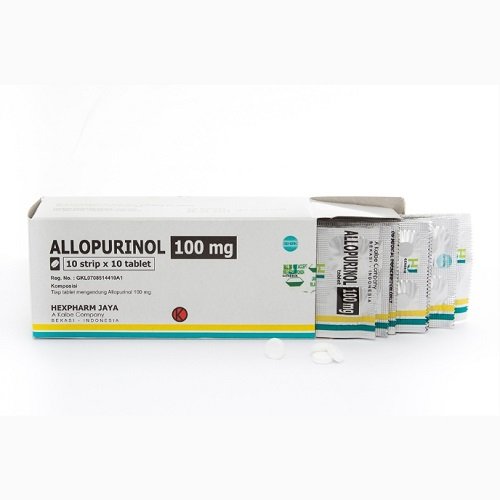
Allopurinol reduces the body’s production of uric acid by blocking the enzyme xanthine oxidase. Lower uric acid levels help prevent the formation of urate crystals that can build up in joints, kidneys, and other tissues.
Although it lowers the risk of future gout attacks, Allopurinol is not intended to relieve the pain of an acute gout flare. Other medications may be prescribed to manage symptoms during a flare while Allopurinol is continued or initiated according to your healthcare provider’s guidance.
Approved Medical Uses
Healthcare providers may prescribe Allopurinol for:
- Long-term management of gout
- Prevention of recurrent gout attacks
- High blood uric acid levels (hyperuricemia)
- Prevention of uric acid kidney stones
- Prevention of tumor lysis syndrome associated with certain cancer treatments
Treatment is individualized based on uric acid levels, kidney function, and overall health.
How Does Allopurinol Work?
Allopurinol inhibits xanthine oxidase, reducing the conversion of purines into uric acid.
This helps:
- Lower blood uric acid levels
- Prevent urate crystal formation
- Reduce the frequency of gout attacks over time
- Help dissolve existing urate deposits gradually
- Decrease the risk of uric acid kidney stones
The medication is most effective when taken consistently over the long term.
How Should Allopurinol Be Taken?
Allopurinol should always be taken exactly as prescribed.
General recommendations include:
- Take the medication at the same time each day.
- It may be taken with food if stomach upset occurs.
- Drink plenty of fluids unless otherwise advised.
- Continue taking it even if you feel well.
- Do not stop treatment without consulting your healthcare provider.
Your healthcare provider may adjust the dose based on uric acid levels and kidney function.
Common Side Effects
Many people tolerate Allopurinol well.
Common side effects may include:
- Mild skin rash
- Nausea
- Diarrhea
- Stomach discomfort
- Drowsiness
- Headache
Report any rash promptly, as some skin reactions can become serious.
Serious Safety Warnings
Although uncommon, Allopurinol can cause serious adverse effects.
Potential risks include:
- Severe skin reactions, including Stevens-Johnson syndrome and Toxic epidermal necrolysis
- Severe allergic reactions
- Liver injury
- Kidney problems
- Blood disorders
Seek immediate medical attention if you develop widespread rash, blistering skin, fever, facial swelling, difficulty breathing, or signs of liver problems such as yellowing of the skin or eyes.
Important Precautions
Before taking Allopurinol, tell your healthcare provider if you have:
- Kidney disease
- Liver disease
- A history of allergic reactions to Allopurinol
- Heart disease
- Pregnancy or breastfeeding considerations
Some people with specific genetic risk factors may have a higher likelihood of severe skin reactions. Your healthcare provider may recommend testing before treatment in certain populations.
Drug Interactions
Allopurinol may interact with several medications.
Tell your healthcare provider about all:
- Prescription medicines
- Over-the-counter medications
- Vitamins
- Herbal supplements
Important interactions may occur with:
- Azathioprine
- Mercaptopurine
- Certain antibiotics
- Blood-thinning medications
- Some diuretics (“water pills”)
Your healthcare provider may adjust doses or monitor you more closely if these medications are used together.
Monitoring During Treatment
Regular monitoring may include:
- Blood uric acid levels
- Kidney function tests
- Liver function tests
- Complete blood count (when appropriate)
- Assessment of gout symptoms
Routine follow-up helps ensure treatment is effective and safe.
Lifestyle Tips for Managing Gout
Medication works best when combined with healthy lifestyle habits, including:
- Staying well hydrated
- Maintaining a healthy weight
- Limiting alcohol, especially beer and spirits
- Reducing intake of high-purine foods when advised
- Eating a balanced diet rich in fruits, vegetables, and whole grains
- Exercising regularly
Lifestyle changes can complement medication and reduce the risk of future gout attacks.
Safe Storage
Store Allopurinol according to the prescription label.
General recommendations include:
- Store at room temperature.
- Keep in the original container.
- Protect from excessive heat and moisture.
- Keep out of reach of children and pets.
Dispose of expired or unused medication according to local pharmacy guidance.
Frequently Asked Questions
What is Allopurinol used for?
Allopurinol is used to lower uric acid levels and help prevent gout attacks, uric acid kidney stones, and complications from high uric acid.
Does Allopurinol treat an active gout attack?
No. It is used for long-term uric acid control rather than immediate pain relief during an acute gout flare.
How long does it take for Allopurinol to work?
Uric acid levels often begin to decrease within a few days, but it may take several weeks to months to achieve the full benefit in preventing gout attacks.
Can I stop taking Allopurinol once I feel better?
Do not stop taking Allopurinol unless your healthcare provider advises you to do so. Consistent use is important for long-term uric acid control.
Should I drink more water while taking Allopurinol?
Adequate hydration is often recommended because it may help reduce the risk of kidney stone formation. Follow your healthcare provider’s advice regarding fluid intake.
Conclusion
Allopurinol is a well-established medication for lowering uric acid levels and preventing gout attacks, uric acid kidney stones, and certain complications associated with hyperuricemia. By reducing uric acid production, it helps protect joints and kidneys while improving long-term disease management.
When combined with regular monitoring, healthy lifestyle choices, and adherence to your prescribed treatment plan, Allopurinol can play an important role in managing gout and maintaining overall health.
Allopurinol, Allopurinol tablets, gout treatment, gout medication, hyperuricemia treatment, uric acid medication, xanthine oxidase inhibitor, prevent gout attacks, uric acid kidney stones, gout prevention, high uric acid treatment, prescription gout medication, medication safety, patient education, healthcare information, Allopurinol side effects, uric acid management, gout management, kidney stone prevention, long-term gout treatment.
| Quantity | 30 Pills, 60 Pills, 120 Pills, 180 Pills, 200 Pills, 250 Pills, 300 Pills, 400 Pills, 500 Pills |
|---|
Be the first to review “Allopurinol”
Related products
Drugs
Drugs
Drugs
Drugs
Drugs

Drugs
Drugs
Drugs
Reviews
There are no reviews yet.