

Benzoyl Peroxide: Uses, Dosage, Side Effects, Safety, and Frequently Asked Questions
Learn about benzoyl peroxide, including its uses for acne treatment, how it works, application guidelines, side effects, safety precautions, and frequently asked questions.
Benzoyl Peroxide: Everything You Need to Know
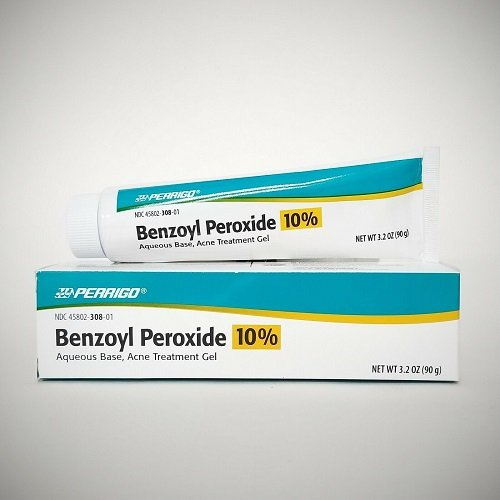
Benzoyl peroxide is a widely used topical acne treatment that helps reduce pimples, blackheads, and whiteheads. It is available over-the-counter in lower strengths and by prescription in higher concentrations.
It works by killing acne-causing bacteria, reducing inflammation, and helping unclog pores by removing excess oil and dead skin cells.
Benzoyl peroxide is one of the most effective first-line treatments for mild to moderate acne.
This guide explains what benzoyl peroxide is, how it works, its uses, application instructions, side effects, safety precautions, and frequently asked questions.
What Is Benzoyl Peroxide?
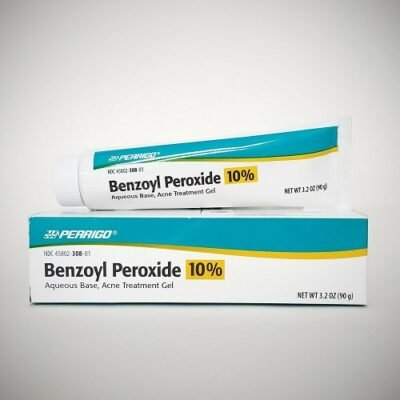
Benzoyl peroxide is a topical antiseptic and keratolytic agent used mainly for acne treatment.
It is available in different forms such as:
- Creams
- Gels
- Face washes/cleansers
- Lotions
- Spot treatments
It comes in strengths ranging from 2.5% to 10%, with lower strengths often being just as effective and less irritating.
Approved Medical Uses
Healthcare providers and dermatologists recommend benzoyl peroxide for:
- Mild to moderate acne
- Whiteheads and blackheads
- Inflammatory acne (red pimples)
- Acne-prone skin maintenance
- Preventing new breakouts
It is often combined with other acne treatments such as topical antibiotics or retinoids.
How Does Benzoyl Peroxide Work?
Benzoyl peroxide works in several ways:
- Kills Cutibacterium acnes (P. acnes) bacteria
- Reduces inflammation in the skin
- Helps unclog pores
- Removes excess oil and dead skin cells
Because of its antibacterial action, it also helps reduce antibiotic resistance when used with topical antibiotics.
How Should Benzoyl Peroxide Be Used?
Benzoyl peroxide should be used carefully to avoid irritation.
General usage instructions include:
- Start with a low concentration (2.5%–5%)
- Apply a thin layer to affected areas
- Use once daily at first, then increase if tolerated
- Avoid eyes, lips, and broken skin
- Wash hands after application
- Use sunscreen during the day (it can increase sun sensitivity)
Dosage Information
There is no fixed “dose” like tablets, but usage depends on skin tolerance and severity.
Typical usage guidelines:
- 2.5%: best for sensitive skin or beginners
- 5%: standard strength for moderate acne
- 10%: stronger option, but more irritation risk
Important note:
- Higher strength does NOT always mean better results
- Consistency is more important than concentration
- Visible improvement may take 2–6 weeks
Common Side Effects
Benzoyl peroxide is effective but can cause skin irritation.
Common side effects include:
- Dry skin
- Redness
- Peeling or flaking
- Burning or stinging sensation
- Itching
These effects often improve as the skin adjusts.
Serious Safety Warnings
Serious reactions are rare but possible.
Potential risks include:
- Severe skin irritation or allergic reaction
- Swelling or blistering (rare)
- Excessive dryness leading to skin damage
- Eye irritation if accidentally exposed
Stop use and seek medical advice if severe irritation occurs.
Important Precautions
Before using benzoyl peroxide, consider the following:
- Avoid use on very sensitive or damaged skin
- Do not combine immediately with strong exfoliants unless advised
- Start slowly to test skin tolerance
- Be cautious if you have eczema or sensitive skin conditions
- Avoid excessive sun exposure
It may bleach hair, fabrics, and towels.
Drug Interactions
Topical benzoyl peroxide has minimal systemic interactions, but it may interact with:
- Topical retinoids (may increase irritation)
- Topical antibiotics (often used together under supervision)
- Strong exfoliating acids (AHAs/BHAs)
Combination therapy should be guided by a healthcare provider.
Monitoring During Treatment
Healthcare providers or dermatologists may monitor:
- Acne improvement over time
- Skin irritation or dryness
- Treatment response after 4–8 weeks
- Need for combination therapy
Consistency and patience are key to success.
Safe Storage
Proper storage helps maintain product effectiveness:
- Store at room temperature
- Keep away from heat and direct sunlight
- Close container tightly after use
- Keep out of reach of children
- Do not freeze
Frequently Asked Questions
What is benzoyl peroxide used for?
It is used to treat acne by killing bacteria and reducing inflammation in the skin.
How long does it take to work?
It may take 2–6 weeks to see noticeable improvement.
Can I use it every day?
Yes, but start slowly to avoid irritation and increase frequency as tolerated.
Does benzoyl peroxide remove acne scars?
No. It treats active acne but does not directly remove scars.
Can I use it with other acne products?
Yes, but some combinations may increase irritation, so medical guidance is recommended.
Does it bleach clothes?
Yes. It can bleach fabrics, towels, and hair if not carefully applied.
Is benzoyl peroxide safe long term?
Yes, when used properly under guidance, it is safe for long-term acne management.
Conclusion
Benzoyl peroxide is a highly effective topical treatment for acne that works by killing bacteria, reducing inflammation, and clearing clogged pores. It is widely used as a first-line therapy for mild to moderate acne and is available in multiple strengths and formulations.
While generally safe, it may cause dryness or irritation, especially when first used. Starting with a low concentration and using it consistently helps achieve the best results with minimal side effects.
benzoyl peroxide, benzoyl peroxide uses, benzoyl peroxide acne treatment, benzoyl peroxide gel, benzoyl peroxide cream, benzoyl peroxide face wash, acne treatment medication, topical acne solution, acne bacteria treatment, benzoyl peroxide side effects, benzoyl peroxide dosage, acne skincare treatment, anti acne cream, pimples treatment cream, blackheads treatment, whiteheads treatment, benzoyl peroxide safety, acne medication guide, skin care acne treatment, benzoyl peroxide FAQs
Be the first to review “Benzoyl peroxide”
Related products
Drugs
Drugs
Drugs
Drugs
Drugs
Drugs
Drugs
Reviews
There are no reviews yet.