
Arava 20 mg: Uses, Dosage, Side Effects, Safety, and Frequently Asked Questions
Learn about Arava (leflunomide) 20 mg, including its uses for rheumatoid arthritis, dosage, side effects, safety precautions, drug interactions, and frequently asked questions.
Arava 20 mg: Everything You Need to Know
Arava contains Leflunomide, a prescription medication used to treat autoimmune conditions, especially Rheumatoid arthritis. It belongs to a class of medicines called disease-modifying antirheumatic drugs (DMARDs), which help slow disease progression and reduce joint damage caused by chronic inflammation.
Arava does not provide immediate pain relief. Instead, it works over time to control the underlying immune system activity responsible for joint swelling, stiffness, and damage.
This guide explains how Arava works, its approved uses, dosing, side effects, safety precautions, and frequently asked questions.
What Is Arava 20 mg?
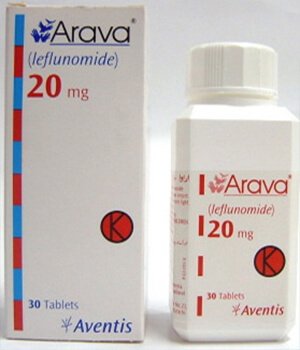
Arava is an immunomodulating medication that reduces inflammation by affecting the activity of immune cells.
It is commonly prescribed for people with moderate to severe rheumatoid arthritis, especially when other treatments such as methotrexate are not suitable or effective.
Because it acts on the immune system, it requires careful medical supervision and regular monitoring.
Approved Medical Uses
Healthcare providers may prescribe Arava for:
- Rheumatoid arthritis (adult patients)
- Reduction of joint pain, swelling, and stiffness
- Slowing progression of joint damage
- Improving physical function and quality of life in chronic inflammatory arthritis
In some cases, it may be used off-label for other autoimmune conditions under specialist supervision.
How Does Leflunomide Work?
Leflunomide works by inhibiting an enzyme involved in the production of immune cells called dihydroorotate dehydrogenase (DHODH).
This helps:
- Reduce overactive immune responses
- Decrease inflammation in the joints
- Slow cartilage and bone damage
- Improve long-term disease control
- Reduce flare frequency in rheumatoid arthritis
Because immune suppression takes time, full benefits may take several weeks to months.
How Should Arava 20 mg Be Taken?
Arava should always be taken exactly as prescribed.
General recommendations include:
- Take once daily or as directed by your healthcare provider.
- It may be taken with or without food.
- Take at the same time each day.
- Swallow tablets whole with water.
- Do not stop taking the medication without medical advice.
In some cases, a “loading dose” may be used at the start of therapy to reach therapeutic levels faster.
Common Side Effects
Many people tolerate Arava well, but side effects can occur.
Common side effects include:
- Diarrhea
- Nausea
- Headache
- Hair thinning
- Elevated liver enzymes
- Rash
- Dizziness
Some side effects may improve as the body adjusts to treatment.
Serious Safety Warnings
Because Arava affects the immune system and liver function, it carries important risks.
Potential serious side effects include:
- Liver damage or hepatitis
- Severe infections
- Tuberculosis reactivation
- Low blood cell counts
- Severe skin reactions
- Lung problems (interstitial lung disease in rare cases)
Seek immediate medical attention if you experience yellowing of the skin or eyes, persistent fever, severe fatigue, shortness of breath, or unusual bruising.
Important Precautions
Before taking Arava, tell your healthcare provider if you have:
- Liver disease
- Kidney disease
- Active infections
- History of tuberculosis
- Weak immune system
- Pregnancy or plans to become pregnant
⚠️ Arava is strictly contraindicated in pregnancy due to the risk of serious fetal harm. Effective contraception is required during treatment and for a period after stopping the medication, as directed by a healthcare provider.
Drug Interactions
Arava may interact with other medications.
Tell your healthcare provider about all:
- Prescription medicines
- Over-the-counter medications
- Herbal supplements
- Vitamins
Important interactions include:
- Methotrexate (increased liver toxicity risk)
- Other immunosuppressants
- Certain vaccines (live vaccines should generally be avoided)
- Drugs affecting liver function
Your healthcare provider may adjust treatment or order regular blood tests.
Monitoring During Treatment
Regular monitoring is essential and may include:
- Liver function tests
- Complete blood count (CBC)
- Blood pressure monitoring
- Assessment of infection risk
- Evaluation of joint symptoms and disease progression
Monitoring helps ensure the medication remains safe and effective.
Lifestyle Support for Rheumatoid Arthritis
Arava works best when combined with healthy lifestyle habits:
- Gentle, regular exercise to maintain joint mobility
- Physical therapy when recommended
- Balanced anti-inflammatory diet
- Adequate rest and stress management
- Avoid smoking (which worsens rheumatoid arthritis)
- Infection prevention practices
These measures can improve overall disease control and quality of life.
Safe Storage
Store Arava according to the prescription label:
- Store at room temperature
- Keep in a dry place away from moisture
- Keep in original packaging
- Keep out of reach of children and pets
Unused medication should be disposed of safely via pharmacy take-back programs.
Frequently Asked Questions
What is Arava used for?
Arava is used to treat rheumatoid arthritis by reducing inflammation and slowing joint damage.
Is Arava a painkiller?
No. It is a DMARD that treats the underlying immune cause of inflammation, not a direct pain reliever.
How long does Arava take to work?
It may take several weeks to a few months to notice full benefits.
Does Arava weaken the immune system?
Yes. It suppresses parts of the immune system to reduce autoimmune activity, which may increase infection risk.
Can Arava be taken long term?
Yes. Many patients use it long term under regular medical monitoring.
Conclusion
Arava (leflunomide) is a disease-modifying antirheumatic drug used to treat rheumatoid arthritis by reducing immune system overactivity and slowing joint damage. While it does not provide immediate pain relief, it plays an important role in long-term disease control.
Because it affects the immune system and liver function, careful monitoring and strict adherence to medical guidance are essential for safe and effective use.
Arava 20 mg, leflunomide, rheumatoid arthritis treatment, DMARD medication, autoimmune arthritis drug, arthritis inflammation treatment, disease modifying antirheumatic drug, joint pain treatment RA, immunosuppressant arthritis medication, rheumatoid arthritis medication guide, Arava side effects, arthritis disease control, prescription RA medication, medication safety, healthcare information, autoimmune disease treatment, leflunomide uses, long term arthritis treatment, RA DMARD therapy.
| Quantity | 30 Pills, 60 Pills, 120 Pills, 180 Pills, 200 Pills, 250 Pills, 300 Pills, 400 Pills, 500 Pills |
|---|
Be the first to review “Arava 20mg”
Related products

Drugs
Drugs
Drugs

Drugs

Drugs
Drugs
Drugs

Drugs
Reviews
There are no reviews yet.