

Alendronic Acid: Uses, Dosage, Side Effects, Safety, and Frequently Asked Questions
Learn about Alendronic Acid, including its medical uses, dosage, side effects, safety precautions, drug interactions, and frequently asked questions for osteoporosis and other bone conditions.
Alendronic Acid: Everything You Need to Know
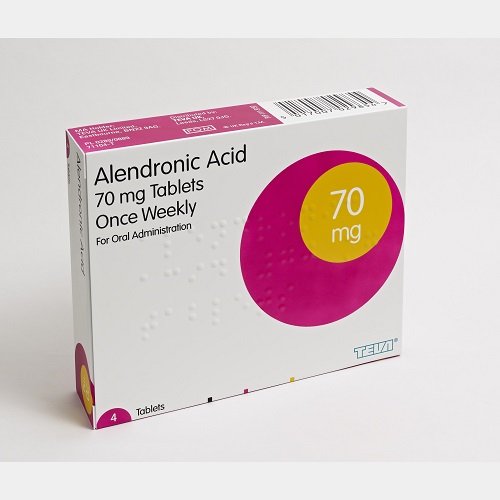
Alendronic acid (also known as alendronate sodium) is a prescription medication used to treat and help prevent Osteoporosis and certain other disorders that weaken bones. It belongs to a class of medicines called bisphosphonates, which help reduce bone loss and improve bone strength.
Healthy bones are constantly being broken down and rebuilt through a natural process called bone remodeling. In conditions such as osteoporosis, bone breakdown occurs faster than bone formation, increasing the risk of fractures. Alendronic acid slows this process, helping preserve bone density and lower the likelihood of broken bones.
This guide explains how Alendronic acid works, its approved medical uses, dosing recommendations, possible side effects, safety considerations, and answers to common questions.
What Is Alendronic Acid?
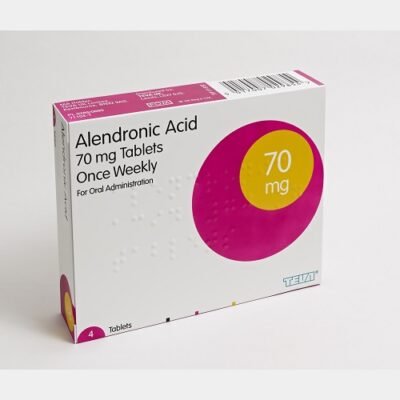
Alendronic acid is a bisphosphonate that helps maintain bone strength by reducing the activity of osteoclasts, the cells responsible for breaking down bone tissue.
It is commonly prescribed for people at increased risk of fractures due to reduced bone density. Depending on the condition being treated, different strengths and dosing schedules may be used, such as daily or weekly regimens.
Approved Medical Uses
Healthcare providers may prescribe Alendronic acid for:
- Treatment of osteoporosis in postmenopausal women
- Prevention of osteoporosis in individuals at increased risk
- Osteoporosis in men
- Glucocorticoid-induced osteoporosis
- Paget disease of bone
Treatment recommendations are tailored to each patient’s medical history and fracture risk.
How Does Alendronic Acid Work?
Alendronic acid binds to bone tissue and slows the activity of osteoclasts.
This helps:
- Reduce bone loss
- Increase or maintain bone mineral density
- Strengthen bones over time
- Lower the risk of fractures, particularly of the spine and hip
- Support long-term skeletal health
Because bone remodeling is gradual, the full benefits of treatment may take several months to become noticeable.
How Should Alendronic Acid Be Taken?
Alendronic acid should always be taken exactly as prescribed.
General recommendations include:
- Take first thing in the morning.
- Swallow the tablet with a full glass of plain water.
- Take it on an empty stomach.
- Do not chew or crush the tablet.
- Remain sitting or standing upright for at least 30 minutes after taking it.
- Wait at least 30 minutes before eating, drinking anything other than water, or taking other medications.
Following these instructions helps improve absorption and reduces the risk of irritation to the esophagus.
Common Side Effects
Many people use Alendronic acid without serious problems.
Common side effects may include:
- Heartburn
- Stomach discomfort
- Nausea
- Constipation
- Diarrhea
- Joint pain
- Muscle pain
- Headache
These effects are often mild and may lessen with continued treatment.
Serious Safety Warnings
Although uncommon, serious side effects can occur.
Potential risks include:
- Irritation, inflammation, or ulcers of the esophagus
- Severe bone, muscle, or joint pain
- Low blood calcium levels
- Rare osteonecrosis of the jaw
- Rare atypical thigh bone fractures after prolonged treatment
- Severe allergic reactions
Seek medical attention if you experience chest pain, difficulty swallowing, severe jaw pain, or persistent thigh or groin pain.
Important Precautions
Before taking Alendronic acid, inform your healthcare provider if you have:
- Kidney disease
- Low calcium levels
- Esophageal disorders
- Difficulty swallowing
- Stomach ulcers
- Vitamin D deficiency
- Dental problems or planned dental procedures
- Pregnancy or breastfeeding considerations
Your healthcare provider may recommend correcting low calcium or vitamin D levels before treatment begins.
Drug Interactions
Alendronic acid may interact with certain medications and supplements.
Tell your healthcare provider about all:
- Prescription medicines
- Over-the-counter medications
- Vitamins
- Herbal supplements
Special attention should be given to:
- Calcium supplements
- Iron supplements
- Magnesium-containing products
- Aluminum-containing antacids
- Certain mineral supplements
These products can interfere with absorption if taken too close to your dose.
Monitoring During Treatment
Healthcare providers may monitor:
- Bone mineral density
- Calcium and vitamin D levels
- Kidney function when appropriate
- Response to therapy
- Risk of fractures
Regular follow-up helps determine whether ongoing treatment remains appropriate.
Lifestyle Tips for Healthy Bones
Medication works best alongside healthy habits, including:
- Consuming adequate calcium and vitamin D
- Performing regular weight-bearing exercise
- Strength training when appropriate
- Avoiding smoking
- Limiting excessive alcohol consumption
- Taking steps to reduce the risk of falls
These measures can complement medication and improve long-term bone health.
Safe Storage
Store Alendronic acid according to the prescription label.
General recommendations include:
- Store at room temperature.
- Keep in the original packaging.
- Protect from moisture and excessive heat.
- Keep out of reach of children and pets.
Dispose of expired or unused medication according to local pharmacy recommendations.
Frequently Asked Questions
What is Alendronic acid used for?
Alendronic acid is used to treat and help prevent osteoporosis and certain other bone disorders that increase the risk of fractures.
How does Alendronic acid work?
It slows bone breakdown, allowing bones to maintain or improve their density over time.
Why should it be taken on an empty stomach?
Food and many beverages reduce absorption, so taking it on an empty stomach helps the medication work effectively.
Why must I stay upright after taking it?
Remaining upright helps reduce the risk of irritation or injury to the esophagus.
Can calcium supplements be taken with Alendronic acid?
Yes, but they are usually taken later in the day because calcium can reduce the medication’s absorption if taken at the same time.
Conclusion
Alendronic acid is a widely used bisphosphonate medication that helps treat osteoporosis and other bone conditions by slowing bone loss and improving bone strength. When taken correctly and combined with healthy lifestyle habits, it can significantly reduce the risk of fractures and support long-term skeletal health.
To achieve the greatest benefit, follow your healthcare provider’s instructions carefully, attend regular follow-up appointments, and maintain adequate calcium and vitamin D intake as recommended.
Alendronic acid, alendronate sodium, bisphosphonate, osteoporosis treatment, osteoporosis medication, bone health, bone density medication, fracture prevention, postmenopausal osteoporosis, osteoporosis in men, glucocorticoid-induced osteoporosis, Paget disease of bone, bone strengthening medication, bone loss treatment, medication safety, patient education, healthcare information, prescription osteoporosis medication, Alendronic acid side effects, bone disease treatment.
| Quantity | 30 Pills, 60 Pills, 120 Pills, 180 Pills, 200 Pills, 250 Pills, 300 Pills, 400 Pills, 500 Pills |
|---|
Be the first to review “Alendronic acid”
Related products

Drugs
Drugs
Drugs

Drugs

Drugs

Drugs

Drugs

Drugs
Reviews
There are no reviews yet.