
Antabuse: Uses, Dosage, Side Effects, Safety, and Frequently Asked Questions
Learn about Antabuse (disulfiram), including its uses, dosage, side effects, safety precautions, drug interactions, and frequently asked questions for the treatment of alcohol use disorder.
Antabuse: Everything You Need to Know
Antabuse is the brand name for Disulfiram, a prescription medication used as part of the treatment of Alcohol use disorder. Rather than reducing cravings, Antabuse works by causing an unpleasant physical reaction if alcohol is consumed, helping support individuals who are committed to avoiding alcohol.
Antabuse is most effective when combined with counseling, behavioral therapy, support groups, and a comprehensive recovery plan. It should only be taken under the guidance of a qualified healthcare provider.
This guide explains how Antabuse works, its approved uses, possible side effects, important safety information, and answers to frequently asked questions.
What Is Antabuse?
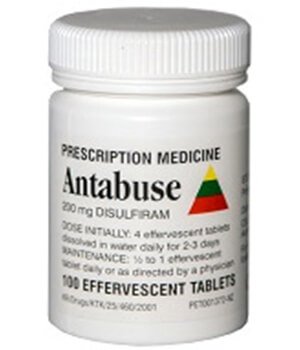
Antabuse contains disulfiram, a medication that blocks the enzyme responsible for breaking down alcohol in the body.
When someone taking Antabuse drinks alcohol, a substance called acetaldehyde builds up in the bloodstream. This produces an unpleasant reaction that discourages alcohol consumption.
Because of this effect, Antabuse is intended to support long-term abstinence rather than treat alcohol withdrawal.
Approved Medical Uses
Healthcare providers prescribe Antabuse for:
- Maintenance treatment of alcohol use disorder in motivated adults
- Supporting long-term abstinence from alcohol
- Use as part of a comprehensive alcohol recovery program
It is not used to manage acute alcohol withdrawal symptoms.
How Does Antabuse Work?
Disulfiram blocks the enzyme aldehyde dehydrogenase, preventing the normal breakdown of alcohol.
If alcohol is consumed while taking Antabuse, a reaction may occur that can include:
- Flushing of the face
- Throbbing headache
- Nausea and vomiting
- Sweating
- Rapid heartbeat
- Dizziness
- Low blood pressure
The severity of the reaction depends on several factors, including the amount of alcohol consumed, and in some cases can be serious. Because of this risk, patients are advised to avoid alcohol completely while taking Antabuse and for a period after stopping it, as directed by their healthcare provider.
How Should Antabuse Be Taken?
Antabuse should always be taken exactly as prescribed.
General recommendations include:
- Take the medication at the same time each day.
- Do not begin treatment until you have been alcohol-free for the period recommended by your healthcare provider.
- Avoid all beverages and products that contain alcohol unless your healthcare provider advises otherwise.
- Continue counseling and other recovery supports during treatment.
- Do not stop taking the medication without discussing it with your healthcare provider.
Common Side Effects
Many people tolerate Antabuse well when alcohol is avoided.
Common side effects may include:
- Drowsiness
- Fatigue
- Headache
- Metallic or garlic-like taste in the mouth
- Mild skin rash
These effects are often temporary but should be discussed with your healthcare provider if they become bothersome.
Serious Safety Warnings
Although uncommon, serious side effects can occur.
Potential risks include:
- Severe reaction if alcohol is consumed
- Liver injury
- Severe allergic reactions
- Nerve damage (peripheral neuropathy)
- Mood or mental status changes in rare cases
Seek immediate medical attention if you experience yellowing of the skin or eyes, severe abdominal pain, confusion, chest pain, difficulty breathing, or signs of a serious allergic reaction.
Important Precautions
Before taking Antabuse, tell your healthcare provider if you have:
- Liver disease
- Heart disease
- Kidney disease
- Diabetes
- Thyroid disorders
- Seizure disorders
- Pregnancy or breastfeeding considerations
Your healthcare provider may perform liver function tests before and during treatment.
Drug and Alcohol Interactions
Antabuse can interact with several medications.
Tell your healthcare provider about all:
- Prescription medicines
- Over-the-counter medications
- Vitamins
- Herbal supplements
Alcohol may also be present in products such as:
- Some cough and cold medicines
- Certain mouthwashes
- Some cooking extracts
- Certain liquid medications
Read labels carefully and ask a pharmacist if you are unsure whether a product contains alcohol.
Monitoring During Treatment
Healthcare providers may monitor:
- Liver function
- Progress with alcohol abstinence
- Medication adherence
- Side effects
- Overall recovery goals
Regular follow-up appointments are an important part of successful treatment.
Lifestyle Support During Recovery
Medication is only one part of recovery from alcohol use disorder.
Additional support may include:
- Individual counseling
- Cognitive behavioral therapy
- Family therapy
- Peer support groups
- Healthy nutrition
- Regular physical activity
- Stress management techniques
Combining medication with psychosocial support often leads to better long-term outcomes.
Safe Storage
Store Antabuse according to the prescription label.
General recommendations include:
- Store at room temperature.
- Protect from moisture and excessive heat.
- Keep in the original container.
- Keep out of reach of children and pets.
Dispose of unused medication according to your pharmacist’s recommendations.
Frequently Asked Questions
What is Antabuse used for?
Antabuse is used to help motivated adults maintain abstinence from alcohol as part of a comprehensive treatment program for alcohol use disorder.
Does Antabuse reduce alcohol cravings?
No. It works by causing an unpleasant reaction if alcohol is consumed, rather than directly reducing cravings.
Can I drink alcohol while taking Antabuse?
No. Drinking alcohol while taking Antabuse can cause a potentially serious reaction. Follow your healthcare provider’s instructions about how long to avoid alcohol after stopping the medication.
How long do I need to take Antabuse?
Treatment duration varies depending on your recovery plan and should be determined with your healthcare provider.
Is counseling still important if I take Antabuse?
Yes. Medication is generally most effective when combined with counseling, behavioral therapy, and other recovery supports.
Conclusion
Antabuse (disulfiram) is a medication used to support abstinence in people with alcohol use disorder by producing an unpleasant reaction if alcohol is consumed. It is most effective as part of a comprehensive treatment plan that includes counseling, lifestyle changes, and ongoing medical supervision.
Following your healthcare provider’s instructions, avoiding all sources of alcohol, and attending regular follow-up appointments can help improve treatment outcomes and support long-term recovery.
Antabuse, disulfiram, alcohol use disorder treatment, alcohol dependence medication, alcohol recovery medication, alcohol abstinence support, disulfiram tablets, alcohol deterrent medication, addiction treatment, substance use disorder treatment, alcohol rehabilitation, recovery support medication, Antabuse side effects, medication safety, patient education, healthcare information, prescription addiction medication, alcohol treatment guide, disulfiram uses, alcohol recovery.
| Quantity | 30 Pills, 60 Pills, 120 Pills, 180 Pills, 200 Pills, 250 Pills, 300 Pills, 400 Pills, 500 Pills |
|---|
Be the first to review “Antabuse”
Related products
Drugs
Drugs
Drugs
Drugs
Drugs
Drugs
Drugs
Reviews
There are no reviews yet.