
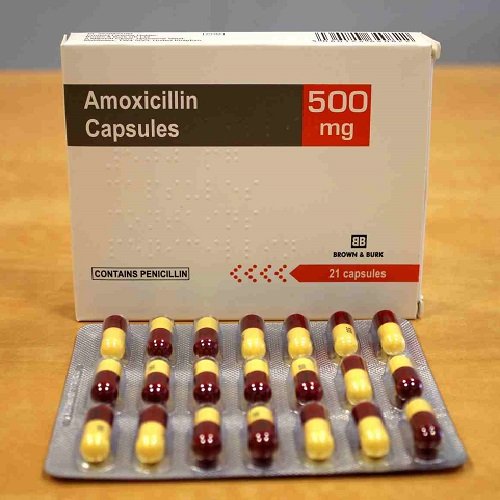


Amoxicillin: Uses, Dosage, Side Effects, Safety, and Frequently Asked Questions
Learn about Amoxicillin, including its medical uses, dosage, side effects, safety precautions, drug interactions, and frequently asked questions for the treatment of bacterial infections.
Amoxicillin: Everything You Need to Know
Amoxicillin is a widely prescribed penicillin-class antibiotic used to treat a variety of bacterial infections. It works by stopping the growth of susceptible bacteria, allowing the body’s immune system to clear the infection more effectively.
Amoxicillin is commonly prescribed for infections involving the ears, nose, throat, lungs, urinary tract, skin, and other parts of the body. It is also used in combination with other medications to treat certain stomach infections caused by Helicobacter pylori infection.
This guide explains how Amoxicillin works, its approved uses, dosage considerations, possible side effects, important safety information, and answers to frequently asked questions.
What Is Amoxicillin?
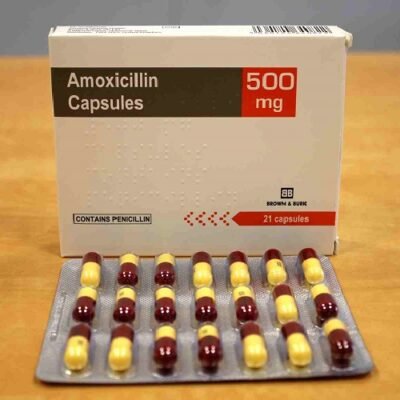
Amoxicillin belongs to the aminopenicillin group of antibiotics. It interferes with the formation of bacterial cell walls, causing susceptible bacteria to die.
Because it is effective against many common bacteria, Amoxicillin is frequently used as a first-line treatment for a range of infections when bacterial susceptibility is likely or confirmed.
It is not effective against viral illnesses such as the common cold or influenza.
Approved Medical Uses
Healthcare providers may prescribe Amoxicillin for:
- Acute otitis media
- Streptococcal pharyngitis
- Bacterial sinusitis
- Community-acquired pneumonia
- Certain urinary tract infections
- Some skin and soft tissue infections
- Certain dental infections
- Treatment of Helicobacter pylori infection (with other medicines)
Your healthcare provider will determine whether Amoxicillin is appropriate based on the type of infection and local antibiotic resistance patterns.
How Does Amoxicillin Work?
Amoxicillin prevents bacteria from building strong cell walls.
This helps:
- Stop bacterial growth
- Kill susceptible bacteria
- Reduce infection symptoms
- Support the body’s immune response
- Prevent the spread of untreated bacterial infections
Because antibiotics target bacteria rather than viruses, they should only be used when medically indicated.
How Should Amoxicillin Be Taken?
Amoxicillin should always be taken exactly as prescribed.
General recommendations include:
- Take the medication at evenly spaced intervals.
- It may be taken with or without food.
- Complete the full prescribed course, even if symptoms improve.
- Shake liquid formulations well before each dose.
- Use a proper measuring device for liquid doses.
Skipping doses or stopping treatment early may reduce effectiveness and contribute to antibiotic resistance.
Common Side Effects
Many people tolerate Amoxicillin well.
Common side effects may include:
- Nausea
- Diarrhea
- Mild stomach discomfort
- Vomiting
- Headache
- Mild skin rash
- Changes in taste
These side effects are often mild and temporary.
Serious Safety Warnings
Although uncommon, serious side effects can occur.
Potential risks include:
- Severe allergic reactions, including Anaphylaxis
- Severe skin reactions
- Antibiotic-associated diarrhea caused by Clostridioides difficile infection
- Liver problems (rare)
- Blood-related disorders (rare)
Seek immediate medical attention if you experience difficulty breathing, swelling of the face or throat, widespread rash with blistering, or severe persistent diarrhea.
Important Precautions
Before taking Amoxicillin, tell your healthcare provider if you have:
- A history of allergy to penicillin or other beta-lactam antibiotics
- Kidney disease
- Liver disease
- Infectious mononucleosis
- Pregnancy or breastfeeding considerations
People with a history of severe penicillin allergy may require an alternative antibiotic.
Drug Interactions
Amoxicillin may interact with certain medications.
Tell your healthcare provider about all:
- Prescription medicines
- Over-the-counter medications
- Vitamins
- Herbal supplements
Important interactions may occur with:
- Warfarin
- Methotrexate
- Probenecid
- Certain oral contraceptives (discuss with your healthcare provider, as recommendations vary)
Your healthcare provider can advise whether any medication adjustments or monitoring are needed.
Monitoring During Treatment
Healthcare providers may monitor:
- Improvement in infection symptoms
- Signs of allergic reactions
- Kidney or liver function in selected patients
- Side effects
- Response to treatment
If symptoms do not improve or worsen, further evaluation may be necessary.
Preventing Antibiotic Resistance
Responsible antibiotic use helps preserve effectiveness.
To reduce antibiotic resistance:
- Take antibiotics only when prescribed.
- Never share antibiotics with others.
- Complete the full treatment course.
- Do not save leftover antibiotics for future illnesses.
- Avoid requesting antibiotics for viral infections.
Appropriate antibiotic use benefits both individual patients and public health.
Safe Storage
Store Amoxicillin according to the product instructions.
General recommendations include:
- Store tablets and capsules at room temperature.
- Some liquid formulations require refrigeration, while others may be stored at room temperature—follow the pharmacist’s instructions.
- Keep medications in the original container.
- Keep out of reach of children and pets.
Dispose of expired or unused medication according to local pharmacy guidance.
Frequently Asked Questions
What is Amoxicillin used for?
Amoxicillin is used to treat many bacterial infections, including ear infections, strep throat, sinus infections, pneumonia, urinary tract infections, and certain dental infections.
Does Amoxicillin treat viral infections?
No. It does not treat viral illnesses such as the common cold or influenza.
Should I finish the entire course?
Yes. Completing the prescribed course helps fully treat the infection and reduces the risk of antibiotic resistance.
Can Amoxicillin be taken with food?
Yes. It may be taken with or without food, although taking it with food may reduce stomach upset in some people.
What should I do if I miss a dose?
Take the missed dose as soon as you remember unless it is almost time for your next scheduled dose. Do not take two doses at once. If you are unsure, contact your healthcare provider or pharmacist for guidance.
Conclusion
Amoxicillin is a commonly prescribed penicillin antibiotic used to treat a wide range of bacterial infections. When used appropriately, it is an effective treatment that helps eliminate susceptible bacteria and reduce infection-related complications.
For the best results, take Amoxicillin exactly as prescribed, complete the full course of therapy, and follow your healthcare provider’s instructions. Responsible antibiotic use helps protect both your health and the long-term effectiveness of antibiotics.
Amoxicillin, Amoxicillin antibiotic, penicillin antibiotic, bacterial infection treatment, antibiotic medication, ear infection treatment, strep throat antibiotic, sinus infection treatment, pneumonia antibiotic, urinary tract infection treatment, dental infection antibiotic, Helicobacter pylori treatment, antibiotic safety, medication guide, patient education, healthcare information, Amoxicillin side effects, prescription antibiotics, bacterial infection medication, antibiotic resistance.
| Quantity | 30 Pills, 60 Pills, 120 Pills, 180 Pills, 200 Pills, 250 Pills, 300 Pills, 400 Pills, 500 Pills |
|---|
Be the first to review “Amoxicillin”
Related products

Drugs


Drugs
Drugs

Drugs

Drugs
Drugs
Drugs
Reviews
There are no reviews yet.