
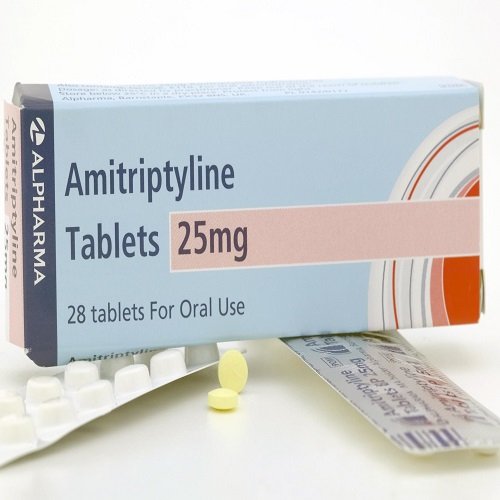


Amitriptyline for Pain: Uses, Benefits, Dosage, Side Effects, Safety, and Frequently Asked Questions
Learn how amitriptyline is used to manage chronic pain, including nerve pain, migraine prevention, dosage considerations, side effects, safety precautions, and frequently asked questions.
Amitriptyline for Pain: Everything You Need to Know
Amitriptyline is a prescription medication that was originally developed to treat depression. Today, it is also widely prescribed at lower doses to help manage several types of chronic pain, particularly pain involving the nerves. For many people, amitriptyline can improve both pain control and sleep quality, making it a valuable option in long-term pain management.
Although it is classified as a tricyclic antidepressant (TCA), the doses used for pain are often lower than those used to treat depression. Treatment plans are individualized, and healthcare providers determine the appropriate dose based on the patient’s condition, response to therapy, and overall health.
This guide explains how amitriptyline works for pain, the conditions it may help treat, possible side effects, important safety information, and answers to frequently asked questions.
What Is Amitriptyline Used for in Pain Management?

Healthcare providers may prescribe amitriptyline to help manage several chronic pain conditions, including:
- Neuropathic pain
- Diabetic neuropathy
- Postherpetic neuralgia
- Fibromyalgia
- Chronic tension-type headaches
- Migraine prevention
- Some chronic musculoskeletal pain conditions
Its use for pain may be considered “off-label” for certain conditions, meaning it is supported by clinical evidence even if not specifically listed in the product labeling.
How Does Amitriptyline Help Relieve Pain?
Amitriptyline works by increasing the availability of the neurotransmitters serotonin and norepinephrine in the nervous system.
These changes may help:
- Reduce the transmission of pain signals
- Decrease nerve sensitivity
- Improve sleep quality
- Reduce the frequency of certain headaches
- Improve overall quality of life in people with chronic pain
Unlike standard pain relievers, amitriptyline may take several weeks before its full benefits become noticeable.
How Is Amitriptyline Taken?
Amitriptyline should always be taken exactly as prescribed.
General recommendations include:
- Take it at the same time each day.
- It is often taken in the evening because it may cause drowsiness.
- Swallow tablets with water.
- Do not stop treatment suddenly without consulting your healthcare provider.
- Dose adjustments are usually made gradually.
Your healthcare provider will determine the most appropriate dose based on your medical needs.
Common Side Effects
Many people tolerate amitriptyline well, particularly when treatment starts with a low dose.
Common side effects include:
- Drowsiness
- Dry mouth
- Constipation
- Blurred vision
- Dizziness
- Weight gain
- Increased appetite
- Difficulty concentrating
Many side effects improve as the body adjusts to treatment.
Serious Safety Warnings
Although uncommon, serious side effects can occur.
Potential risks include:
- Heart rhythm abnormalities
- Severe allergic reactions
- Seizures
- Serotonin syndrome when combined with certain medications
- Increased suicidal thoughts in children, adolescents, and young adults during early antidepressant treatment
Seek immediate medical attention if you experience chest pain, fainting, severe confusion, difficulty breathing, or signs of a serious allergic reaction.
Important Precautions
Before taking amitriptyline, tell your healthcare provider if you have:
- Heart disease
- Liver disease
- Glaucoma
- Urinary retention
- Seizure disorders
- Bipolar disorder
- Pregnancy or breastfeeding considerations
Older adults may be more sensitive to side effects such as drowsiness and dizziness, increasing the risk of falls.
Drug Interactions
Amitriptyline may interact with a number of medications.
Tell your healthcare provider about all:
- Prescription medicines
- Over-the-counter medications
- Vitamins
- Herbal supplements
Important interactions may occur with:
- Other antidepressants
- Monoamine oxidase inhibitors (MAOIs)
- Opioid medications
- Certain migraine medications
- Sedatives
- Alcohol
These combinations may increase the risk of side effects or serious complications.
Monitoring During Treatment
Healthcare providers may monitor:
- Pain severity
- Sleep quality
- Side effects
- Heart health when appropriate
- Overall treatment response
Regular follow-up helps determine whether treatment remains effective and well tolerated.
Lifestyle Tips for Managing Chronic Pain
Medication is only one part of chronic pain management.
Additional strategies may include:
- Regular physical activity as recommended
- Physical therapy
- Good sleep habits
- Stress management techniques
- Maintaining a healthy weight
- Following your healthcare provider’s treatment plan
A comprehensive approach often provides the greatest benefit.
Safe Storage
Store amitriptyline according to the prescription label.
General recommendations include:
- Store at room temperature.
- Protect from excessive moisture and heat.
- Keep in the original container.
- Keep out of reach of children and pets.
Dispose of unused medication through approved pharmacy disposal programs when available.
Frequently Asked Questions
Is amitriptyline a painkiller?
No. Amitriptyline is not a traditional painkiller. It helps reduce certain types of chronic pain by changing how pain signals are processed in the nervous system.
How long does amitriptyline take to work for pain?
Some people notice improvement within one to two weeks, but full benefits may take several weeks.
Can amitriptyline improve sleep?
Yes. Its sedating effects may help improve sleep quality in some people with chronic pain.
Can I stop taking amitriptyline suddenly?
No. It should generally be tapered gradually under medical supervision to reduce the risk of withdrawal symptoms.
Is amitriptyline used only for depression?
No. In addition to depression, it is commonly prescribed for chronic nerve pain, migraine prevention, fibromyalgia, and other pain-related conditions.
Conclusion
Amitriptyline is a well-established medication that can help manage chronic nerve-related pain and certain headache disorders. By modifying the way pain signals are processed, it may reduce discomfort, improve sleep, and enhance quality of life for many patients.
When used as part of a comprehensive treatment plan—including lifestyle changes, physical therapy when appropriate, and regular medical follow-up—amitriptyline can be an effective option for long-term pain management.
Amitriptyline for pain, amitriptyline, chronic pain treatment, nerve pain medication, neuropathic pain treatment, diabetic neuropathy medication, fibromyalgia treatment, migraine prevention medication, chronic headache treatment, tricyclic antidepressant, pain management, nerve pain relief, chronic pain medication, patient education, medication safety, healthcare information, prescription pain treatment, amitriptyline side effects, neuropathic pain management, chronic pain guide.
| Quantity | 30 Pills, 60 Pills, 120 Pills, 180 Pills, 200 Pills, 250 Pills, 300 Pills, 400 Pills, 500 Pills |
|---|
Be the first to review “Amitriptyline for pain”
Related products

Drugs


Drugs

Drugs

Drugs
Drugs

Drugs

Drugs
Reviews
There are no reviews yet.