
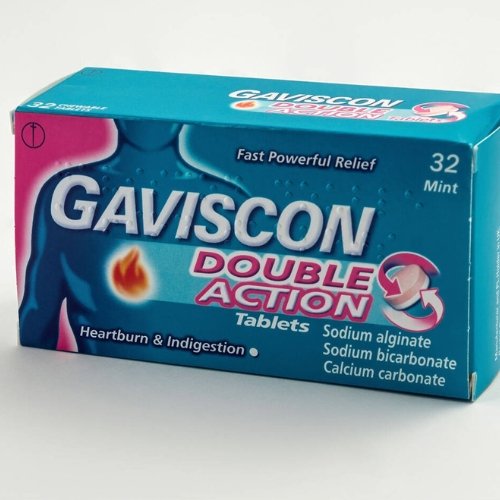
Gaviscon (alginic acid)

Price range: €120.00 through €820.00
Gaviscon (alginic acid) is a widely used treatment for heartburn, acid reflux, and indigestion. By forming a protective barrier over stomach contents, it helps reduce acid irritation and provides symptom relief. It is generally well tolerated when used as directed, but people with kidney problems, heart conditions, or dietary restrictions should seek medical advice before regular use.
Gaviscon (Alginic Acid): Uses, Dosage, Side Effects, Safety, and Frequently Asked Questions
What Is Gaviscon (Alginic Acid)?
Gaviscon is a commonly used medicine for treating heartburn, acid reflux, and indigestion. It contains alginic acid (alginate), which works by forming a protective barrier on top of stomach contents to help prevent acid from flowing back into the oesophagus.
Depending on the product formulation, Gaviscon may also contain ingredients such as antacids (for example, calcium carbonate or sodium bicarbonate) that help neutralise stomach acid.
Gaviscon is available in different forms, including:
- Oral liquid suspension
- Chewable tablets
- Sachets
- Advance formulations with stronger alginate action
The exact ingredients and strengths vary by country and product type.
How Gaviscon Works
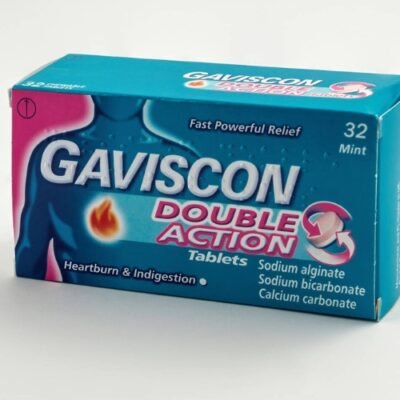
Acid reflux occurs when stomach contents move upward into the oesophagus, causing irritation and discomfort.
Gaviscon works by:
- Reacting with stomach acid to form a floating alginate barrier (a “raft”).
- Creating a protective layer above stomach contents.
- Reducing acid contact with the oesophagus.
- Helping relieve burning sensations and reflux symptoms.
- Neutralising some stomach acid depending on the formulation.
Unlike some acid-reducing medicines, Gaviscon mainly works physically by creating a barrier rather than stopping acid production.
Gaviscon Uses
Heartburn
Gaviscon is commonly used for heartburn, which may cause:
- Burning sensation in the chest.
- Acid taste in the mouth.
- Discomfort after eating.
- Symptoms that worsen when lying down.
Acid Reflux (Gastro-Oesophageal Reflux Disease – GERD)
Gaviscon may help relieve symptoms associated with acid reflux, including:
- Acid coming back into the throat.
- Indigestion.
- Chest discomfort related to reflux.
- Night-time reflux symptoms.
Indigestion
Gaviscon may help relieve indigestion symptoms such as:
- Stomach discomfort.
- Feeling overly full after meals.
- Acid-related irritation.
Pregnancy-Related Heartburn
Gaviscon is often used for heartburn during pregnancy when recommended by a healthcare professional, as reflux symptoms can become more common during pregnancy.
Benefits of Gaviscon
When used correctly, Gaviscon may help:
- Provide rapid relief from heartburn symptoms.
- Reduce acid reflux episodes.
- Protect the oesophagus from stomach acid.
- Relieve indigestion caused by acid irritation.
- Improve comfort after meals.
Gaviscon Dosage
The correct dose depends on:
- The specific Gaviscon product.
- Age.
- Severity of symptoms.
- Medical conditions.
- Other medicines being taken.
General guidance:
- Follow the instructions on the product label or from your healthcare provider.
- Shake liquid formulations well before use.
- Chew tablets thoroughly before swallowing.
- Do not exceed the recommended dose.
Dosage instructions may differ between standard Gaviscon and stronger formulations such as Gaviscon Advance.
How to Take Gaviscon
For best results:
- Take after meals and at bedtime if recommended.
- Follow the timing instructions on the packaging.
- Leave a gap between Gaviscon and certain other medicines if advised.
- Use alongside lifestyle measures that reduce reflux symptoms.
Helpful reflux lifestyle changes may include:
- Avoiding large meals before bedtime.
- Identifying foods that trigger symptoms.
- Maintaining a healthy eating pattern.
- Raising the head area during sleep if recommended.
Missed Dose
Gaviscon is usually taken as needed rather than on a fixed schedule.
If you are using it regularly and miss a dose:
- Take it when needed according to the label instructions.
- Do not take extra doses to compensate.
Common Side Effects
Possible side effects may include:
- Mild bloating.
- Wind (gas).
- Nausea.
- Constipation or diarrhoea.
- Unpleasant taste.
Most people tolerate Gaviscon well.
Serious Side Effects
Serious side effects are uncommon, but seek medical advice if you experience:
- Signs of an allergic reaction.
- Swelling of the face, lips, tongue, or throat.
- Difficulty breathing.
- Severe or persistent abdominal symptoms.
People taking large amounts for long periods may be at risk of mineral-related problems depending on the formulation.
Safety Information
Before using Gaviscon, speak with your healthcare provider if you have:
- Kidney disease.
- Heart disease.
- High blood pressure.
- A low-salt diet requirement.
- High calcium levels.
- A history of kidney stones.
Some Gaviscon products contain sodium, calcium, or other minerals that may not be suitable for everyone.
Drug Interactions
Gaviscon may affect the absorption of some medicines by changing stomach conditions or forming a physical barrier.
Medicines that may require spacing include:
- Some antibiotics.
- Thyroid medicines.
- Iron supplements.
- Certain osteoporosis medicines.
Ask your healthcare provider or pharmacist how long to leave between Gaviscon and other medicines.
Alcohol and Gaviscon
Alcohol may worsen acid reflux symptoms in some people.
While Gaviscon does not have a major direct interaction with alcohol, reducing alcohol intake may help prevent reflux symptoms.
Pregnancy and Breastfeeding
Gaviscon is commonly used during pregnancy when appropriate, but it is best to confirm suitability with a healthcare professional.
If breastfeeding, speak with your healthcare provider before regular use.
Storage
Store Gaviscon:
- According to the product instructions.
- At room temperature unless otherwise directed.
- Away from heat and moisture.
- Out of reach of children.
Check the expiry date before use.
Frequently Asked Questions (FAQs)
What is Gaviscon used for?
Gaviscon is used to relieve heartburn, acid reflux, and indigestion by forming a protective barrier that helps stop stomach acid from reaching the oesophagus.
Is Gaviscon an antacid?
Some Gaviscon products contain antacid ingredients, but alginic acid mainly works by forming a protective raft barrier rather than only neutralising acid.
How quickly does Gaviscon work?
Many people experience relief soon after taking Gaviscon, although results vary depending on the severity of symptoms.
Can Gaviscon be taken every day?
Some people use Gaviscon regularly, but frequent or long-term symptoms should be discussed with a healthcare professional.
Can Gaviscon help with reflux at night?
Yes. Many people take Gaviscon after evening meals or at bedtime if recommended for night-time reflux symptoms.
Can children take Gaviscon?
Some Gaviscon products are suitable for children, but age limits and doses vary by product. Always follow the product instructions or medical advice.
Can Gaviscon be taken with other medicines?
Some medicines may need to be taken at a different time from Gaviscon. Ask a pharmacist or healthcare provider if unsure.
Does Gaviscon cure acid reflux?
Gaviscon helps relieve symptoms but does not cure the underlying causes of chronic acid reflux.
Can Gaviscon cause constipation?
Some formulations may cause constipation in some people, while others may cause diarrhoea.
What happens if I take too much Gaviscon?
Taking more than recommended may increase the risk of side effects. Seek medical advice if excessive use occurs.
Final Thoughts
Gaviscon (alginic acid) is a widely used treatment for heartburn, acid reflux, and indigestion. By forming a protective barrier over stomach contents, it helps reduce acid irritation and provides symptom relief. It is generally well tolerated when used as directed, but people with kidney problems, heart conditions, or dietary restrictions should seek medical advice before regular use.
Medical Disclaimer: This article is for educational and informational purposes only and should not replace professional medical advice, diagnosis, or treatment. Always consult a qualified healthcare professional before starting, stopping, or changing any medication.
| Quantity | 30 Pills, 60 Pills, 120 Pills, 180 Pills, 200 Pills, 250 Pills, 300 Pills, 400 Pills, 500 Pills |
|---|
Be the first to review “Gaviscon (alginic acid)”
Related products
Drugs
Drugs
Drugs
Drugs
Drugs

Drugs
Drugs
Reviews
There are no reviews yet.