
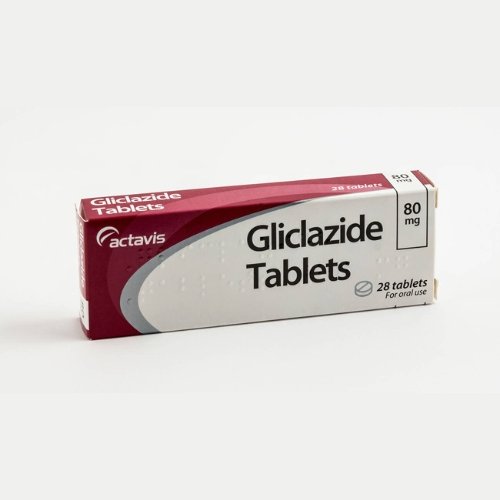
Gliclazide 30mg

Price range: €120.00 through €820.00
Gliclazide 30 mg is a modified-release sulfonylurea medicine used to manage type 2 diabetes by increasing insulin production from the pancreas. It can effectively improve blood sugar control when combined with healthy lifestyle habits and regular monitoring. Because it can cause low blood sugar, it is important to take gliclazide exactly as prescribed and avoid skipping meals after taking it.
Gliclazide 30 mg: Uses, Dosage, Side Effects, Safety, and Frequently Asked Questions
What Is Gliclazide 30 mg?
Gliclazide 30 mg is a prescription oral diabetes medicine used to help control blood sugar levels in people with type 2 diabetes. It belongs to a group of medicines called sulfonylureas.
Gliclazide works by stimulating the pancreas to release more insulin, which helps the body move glucose from the blood into cells where it can be used for energy.
The 30 mg modified-release (MR) formulation releases gliclazide gradually throughout the day, helping provide longer-lasting blood sugar control with convenient once-daily dosing for many patients.
How Gliclazide Works
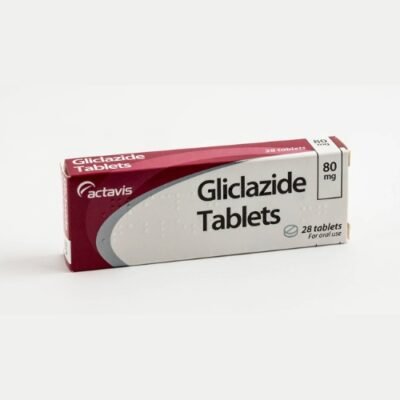
In type 2 diabetes, the body may not produce enough insulin or may not respond effectively to insulin.
Gliclazide works by:
- Stimulating pancreatic beta cells to release insulin.
- Increasing insulin availability after meals.
- Helping lower elevated blood glucose levels.
- Improving long-term diabetes control when combined with diet and lifestyle changes.
Because gliclazide increases insulin release, it may cause low blood sugar (hypoglycaemia) in some people.
Gliclazide 30 mg Uses
Type 2 Diabetes
Gliclazide is mainly used to treat type 2 diabetes when diet, exercise, and lifestyle changes alone are not enough to control blood glucose levels.
It may help:
- Lower blood sugar levels.
- Improve HbA1c results.
- Reduce symptoms associated with high blood sugar.
Combination Diabetes Treatment
Gliclazide may be prescribed with other diabetes treatments, such as:
- Metformin.
- Other oral diabetes medicines.
- Insulin (in some situations).
Treatment combinations depend on individual medical needs.
Benefits of Gliclazide 30 mg
When used correctly, gliclazide may help:
- Improve blood glucose control.
- Reduce symptoms of high blood sugar.
- Support long-term diabetes management.
- Help prevent complications associated with uncontrolled diabetes.
Gliclazide 30 mg Dosage
The correct dose depends on:
- Blood glucose levels.
- Age.
- Kidney and liver function.
- Other diabetes medicines.
- Response to treatment.
General guidance:
- Take exactly as prescribed.
- Modified-release tablets are usually taken once daily.
- Take with breakfast or the first main meal of the day unless instructed otherwise.
- Swallow the tablet whole.
- Do not crush or chew modified-release tablets.
Your healthcare provider may adjust your dose based on blood sugar monitoring.
How to Take Gliclazide 30 mg
For best results:
- Take the medicine at the same time each day.
- Do not skip meals after taking gliclazide.
- Follow your recommended diet and exercise plan.
- Monitor blood glucose levels as advised.
Skipping meals can increase the risk of low blood sugar because gliclazide stimulates insulin release.
Missed Dose
If you miss a dose:
- Take your next dose at the usual time.
- Do not take two doses together.
- Do not take extra tablets to make up for a missed dose.
Common Side Effects
Common side effects may include:
- Low blood sugar (hypoglycaemia).
- Nausea.
- Stomach discomfort.
- Indigestion.
- Constipation.
- Weight gain.
- Headache.
Symptoms of Low Blood Sugar (Hypoglycaemia)
Because gliclazide increases insulin release, it may cause blood sugar to become too low.
Symptoms may include:
- Sweating.
- Shaking.
- Hunger.
- Dizziness.
- Weakness.
- Fast heartbeat.
- Confusion.
- Difficulty concentrating.
If you experience symptoms of low blood sugar, follow your healthcare provider’s advice for managing hypoglycaemia.
Serious Side Effects
Seek medical advice if you experience:
- Severe or repeated episodes of low blood sugar.
- Yellowing of the skin or eyes.
- Severe allergic reactions.
- Unusual bleeding or bruising.
- Signs of liver problems.
Safety Information
Before taking gliclazide, tell your healthcare provider if you have:
- Type 1 diabetes.
- Severe kidney disease.
- Severe liver disease.
- Diabetic ketoacidosis.
- Adrenal or thyroid disorders.
- A history of severe hypoglycaemia.
- Sulfonylurea allergies.
Extra monitoring may be needed in older adults or people with kidney or liver problems.
Drug Interactions
Gliclazide may interact with:
- Other diabetes medicines.
- Insulin.
- Some antibiotics.
- Antifungal medicines.
- Blood thinners.
- Beta-blockers.
- Steroid medicines.
- Some medicines for high blood pressure.
Some medicines can increase or decrease blood sugar levels, so always inform your healthcare provider about all medicines and supplements you use.
Alcohol and Gliclazide
Alcohol may:
- Increase the risk of low blood sugar.
- Make it harder to recognise hypoglycaemia symptoms.
- Affect diabetes control.
Discuss alcohol use with your healthcare provider while taking gliclazide.
Pregnancy and Breastfeeding
Gliclazide is not usually the first choice for diabetes treatment during pregnancy.
If you are pregnant, planning pregnancy, or breastfeeding, speak with your healthcare provider before taking gliclazide.
Storage
Store gliclazide:
- At room temperature.
- Away from moisture and heat.
- In the original packaging.
- Out of reach of children.
Do not use after the expiry date.
Frequently Asked Questions (FAQs)
What is Gliclazide 30 mg used for?
Gliclazide 30 mg is used to help control blood sugar levels in people with type 2 diabetes.
Is gliclazide insulin?
No. Gliclazide is not insulin. It is an oral medicine that stimulates the pancreas to produce more insulin.
Can gliclazide cause low blood sugar?
Yes. Hypoglycaemia is one of the most important possible side effects because gliclazide increases insulin release.
Should gliclazide be taken with food?
Yes. Modified-release gliclazide is usually taken with breakfast or a main meal as directed.
Can gliclazide be used with metformin?
Yes. Gliclazide and metformin are sometimes prescribed together for type 2 diabetes management.
Does gliclazide cause weight gain?
Some people may experience weight gain because it increases insulin activity, but effects vary between individuals.
Can I stop gliclazide suddenly?
Do not stop gliclazide without medical advice because blood sugar levels may increase.
How long does gliclazide take to work?
Blood sugar improvement may begin after starting treatment, but full effects are usually assessed over time through glucose monitoring and HbA1c testing.
Can gliclazide be taken by older adults?
Yes, but older adults may require careful monitoring because they may have a higher risk of low blood sugar.
What happens if I take too much gliclazide?
Taking too much may cause severe low blood sugar, which can be dangerous. Seek urgent medical help if an overdose is suspected.
Final Thoughts
Gliclazide 30 mg is a modified-release sulfonylurea medicine used to manage type 2 diabetes by increasing insulin production from the pancreas. It can effectively improve blood sugar control when combined with healthy lifestyle habits and regular monitoring. Because it can cause low blood sugar, it is important to take gliclazide exactly as prescribed and avoid skipping meals after taking it.
Medical Disclaimer: This article is for educational and informational purposes only and should not replace professional medical advice, diagnosis, or treatment. Always consult a qualified healthcare professional before starting, stopping, or changing any medication.
| Quantity | 30 Pills, 60 Pills, 120 Pills, 180 Pills, 200 Pills, 250 Pills, 300 Pills, 400 Pills, 500 Pills |
|---|
Be the first to review “Gliclazide 30mg”
Related products
Drugs
Drugs
Drugs
Drugs
Drugs
Drugs
Drugs
Drugs
Reviews
There are no reviews yet.