
Solifenacin 10 mg: Uses, Dosage, Side Effects, Safety, and Frequently Asked Questions
Solifenacin 10 mg: Uses, Dosage, Side Effects & Safety Guide
Learn about Solifenacin 10 mg, including its uses for overactive bladder, dosage guidance, side effects, safety precautions, drug interactions, and frequently asked questions.
Solifenacin 10 mg: Everything You Need to Know
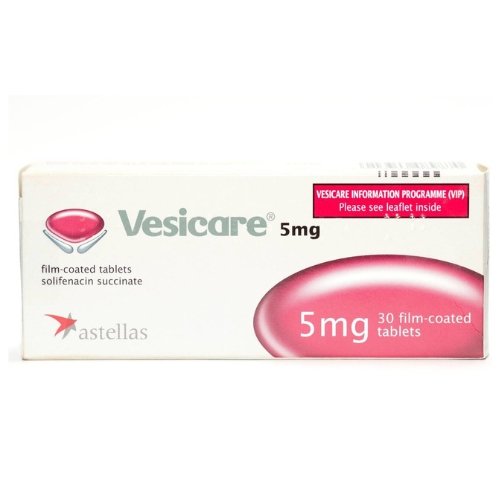
Solifenacin 10 mg is a prescription medication used to treat the symptoms of overactive bladder (OAB), including urge urinary incontinence, urinary urgency, and frequent urination. It belongs to a class of medicines known as antimuscarinic (anticholinergic) agents.
By relaxing the bladder muscle, Solifenacin helps reduce sudden urges to urinate and decreases the number of bathroom visits throughout the day and night.
What Is Solifenacin 10 mg?
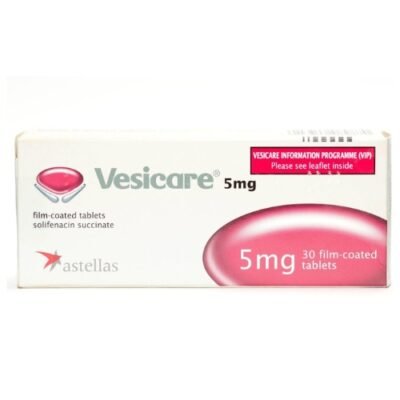
Solifenacin succinate is an oral medication available as:
- 5 mg tablets
- 10 mg tablets
Treatment usually begins with 5 mg once daily, and the dose may be increased to 10 mg once daily if symptoms are not adequately controlled and the medication is well tolerated. (Medicines.org.uk)
Approved Medical Uses
Healthcare providers prescribe Solifenacin for:
- Overactive bladder (OAB)
- Urge urinary incontinence
- Urinary urgency
- Increased urinary frequency
It helps improve bladder control and quality of life in adults with OAB. (Medicines.org.uk)
How Does Solifenacin Work?
Solifenacin blocks muscarinic receptors in the bladder.
This helps:
- Relax the bladder muscle
- Increase bladder capacity
- Reduce sudden urges to urinate
- Decrease urinary leakage
- Reduce daytime and nighttime urination
Many people begin noticing improvement within the first few weeks of treatment, although maximum benefit may take longer. (Medicines.org.uk)
How Should Solifenacin 10 mg Be Taken?
Always take Solifenacin exactly as prescribed.
General recommendations include:
- Take once daily.
- Swallow the tablet whole with water.
- Take with or without food.
- Take at the same time each day.
- Do not exceed the prescribed dose.
- Continue treatment unless instructed otherwise by your healthcare provider.
Dosage Information
Dosage depends on symptom severity and individual response.
Typical adult dosing (general guidance)
- Starting dose: 5 mg once daily
- Maintenance dose: 5 mg or 10 mg once daily
Patients with severe kidney impairment or certain liver conditions may require lower doses. (Medicines.org.uk)
Common Side Effects
The most common side effects include:
- Dry mouth
- Constipation
- Blurred vision
- Dry eyes
- Upset stomach
- Nausea
- Drowsiness
- Difficulty emptying the bladder
Many side effects are mild and improve as your body adjusts.
Serious Safety Warnings
Although uncommon, serious side effects can occur.
Potential risks include:
- Severe allergic reactions
- Inability to urinate (urinary retention)
- Severe constipation
- Fast or irregular heartbeat
- Confusion (especially in older adults)
- Severe skin reactions (rare)
Seek immediate medical attention if you develop swelling of the face or throat, difficulty breathing, severe abdominal pain, or are unable to urinate.
Important Precautions
Before taking Solifenacin, tell your healthcare provider if you have:
- Urinary retention
- Stomach or bowel blockage
- Severe constipation
- Glaucoma (especially narrow-angle glaucoma)
- Kidney disease
- Liver disease
- Heart rhythm problems
- Pregnancy or breastfeeding
Older adults may be more sensitive to the medication’s side effects.
Drug Interactions
Solifenacin may interact with several medications.
Tell your healthcare provider about all:
- Prescription medicines
- Over-the-counter medicines
- Vitamins
- Herbal supplements
Important interactions include:
- Ketoconazole and other antifungal medications
- Clarithromycin
- Ritonavir
- Other anticholinergic medications
- Medicines that may affect heart rhythm
Monitoring During Treatment
Healthcare providers may monitor:
- Improvement in bladder symptoms
- Ability to empty the bladder
- Side effects
- Kidney function (when appropriate)
- Overall treatment response
Safe Storage
Store Solifenacin according to the product labeling.
General recommendations include:
- Keep tablets in the original container.
- Store at room temperature.
- Protect from moisture and excessive heat.
- Keep out of reach of children and pets.
- Do not use expired medication.
- Dispose of unused tablets safely.
Frequently Asked Questions
What is Solifenacin 10 mg used for?
Solifenacin 10 mg is used to treat overactive bladder symptoms, including urinary urgency, frequent urination, and urge urinary incontinence.
Is Solifenacin an anticholinergic medication?
Yes. Solifenacin belongs to the antimuscarinic (anticholinergic) class of medications.
What are the most common side effects?
The most common side effects include dry mouth, constipation, blurred vision, dry eyes, nausea, and difficulty urinating.
How long does Solifenacin take to work?
Some people notice improvement within the first week, but maximum benefit may take several weeks of regular use. (Medicines.org.uk)
Can I stop taking Solifenacin suddenly?
You should speak with your healthcare provider before stopping treatment, as your bladder symptoms may return.
Can I drink alcohol while taking Solifenacin?
Alcohol may increase drowsiness or dizziness in some people. Discuss alcohol use with your healthcare provider.
Is Solifenacin safe for long-term use?
Yes. When prescribed and monitored appropriately, Solifenacin can be used long-term to manage overactive bladder symptoms.
Conclusion
Solifenacin 10 mg is an effective antimuscarinic medication used to treat the symptoms of overactive bladder, including urinary urgency, frequency, and urge incontinence. By relaxing the bladder muscle, it helps improve bladder control and quality of life.
Because Solifenacin can cause side effects such as dry mouth, constipation, blurred vision, and urinary retention, it should be taken exactly as prescribed. Regular follow-up appointments and communication with your healthcare provider can help ensure safe and effective long-term treatment.
SEO Keywords
Solifenacin 10 mg, Solifenacin, solifenacin succinate, Solifenacin uses, Solifenacin dosage, Solifenacin side effects, overactive bladder treatment, OAB medication, urge incontinence treatment, urinary frequency medication, urinary urgency treatment, antimuscarinic medication, anticholinergic bladder medicine, prescription bladder medication, Solifenacin safety, Solifenacin FAQs, bladder control medication, urinary incontinence tablets, Solifenacin 10 mg tablets, overactive bladder medicine.
| Quantity | 30 pills, 60 pills, 120 pills, 180 pills, 200 pills, 250 pills, 300 pills, 400 pills, 500 pills |
|---|
Be the first to review “Solifenacin 10mg”
Related products
Drugs
Drugs
Drugs
Drugs
Drugs
Drugs
Drugs
Drugs
Reviews
There are no reviews yet.