
Vyvanse 30 mg: Uses, Dosage, Side Effects, Safety, and Frequently Asked Questions
Vyvanse 30 mg: Uses, Dosage, Side Effects & Safety Guide
Learn about Vyvanse 30 mg (lisdexamfetamine), including its approved uses for ADHD and binge eating disorder, dosage guidance, side effects, safety precautions, drug interactions, and frequently asked questions.
Vyvanse 30 mg: Everything You Need to Know
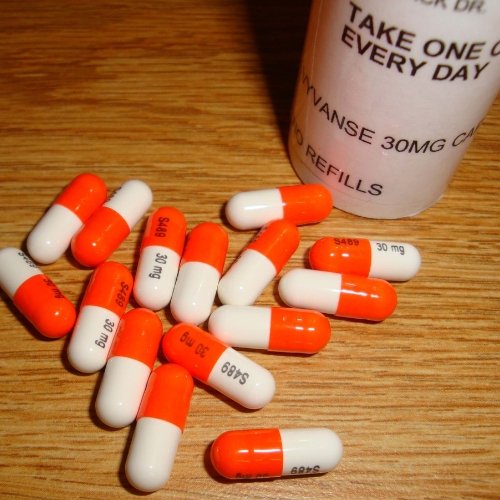
Vyvanse 30 mg is a prescription medication containing lisdexamfetamine dimesylate, a central nervous system (CNS) stimulant. It is approved for the treatment of attention-deficit/hyperactivity disorder (ADHD) in children, adolescents, and adults, and for moderate to severe binge eating disorder (BED) in adults.
Vyvanse is a prodrug, meaning it is inactive until it is converted by the body into its active form, dextroamphetamine. This design provides a gradual onset of action and helps maintain symptom control throughout the day.
Because Vyvanse is a Schedule II controlled substance in the United States and is similarly regulated in many other countries, it carries a risk of misuse, abuse, and dependence. It should only be taken as prescribed by a qualified healthcare provider.
What Is Vyvanse 30 mg?
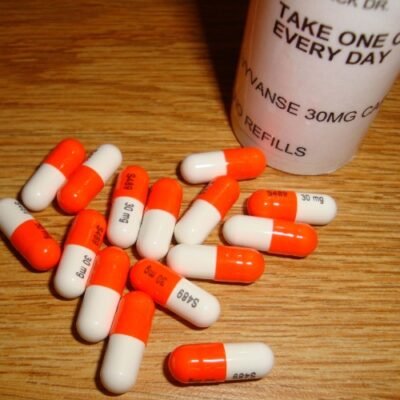
Vyvanse contains lisdexamfetamine dimesylate, a stimulant medication that increases the activity of certain neurotransmitters in the brain, particularly dopamine and norepinephrine.
It is available in several capsule and chewable tablet strengths, including:
- 10 mg
- 20 mg
- 30 mg
- 40 mg
- 50 mg
- 60 mg
- 70 mg
The 30 mg strength is a common starting dose for many adults and children aged 6 years and older with ADHD, although dosing is individualized.
Approved Medical Uses
Healthcare providers prescribe Vyvanse for:
- Attention-deficit/hyperactivity disorder (ADHD)
- Moderate to severe binge eating disorder (BED) in adults
Vyvanse is not approved for weight loss or the treatment of obesity.
How Does Vyvanse Work?
After it is absorbed, lisdexamfetamine is converted into dextroamphetamine.
This helps:
- Improve attention and concentration
- Reduce impulsive behavior
- Decrease hyperactivity
- Improve executive functioning
- Reduce binge eating episodes in adults with BED
The medication is designed to provide symptom control for many hours after a single daily dose.
How Should Vyvanse 30 mg Be Taken?
Always take Vyvanse exactly as prescribed by your healthcare provider.
General recommendations include:
- Take once daily in the morning.
- Swallow the capsule whole, or if instructed, open the capsule and mix the contents with water, yogurt, or orange juice and consume immediately.
- Do not take extra doses.
- Avoid taking it late in the day, as it may interfere with sleep.
- Never share your medication with others.
Dosage Information
The appropriate dosage depends on the condition being treated, age, and individual response.
Typical adult dosing (general guidance)
ADHD
- Starting dose: 30 mg once daily
- Dose may be increased gradually based on response and tolerability.
- Maximum recommended dose: 70 mg once daily
Binge Eating Disorder (Adults)
- Starting dose: 30 mg once daily
- Dose may be increased gradually to an effective maintenance dose.
- Maximum recommended dose: 70 mg once daily
Important note
Do not change your dose or stop taking Vyvanse without consulting your healthcare provider.
Common Side Effects
Common side effects include:
- Decreased appetite
- Dry mouth
- Difficulty sleeping (insomnia)
- Headache
- Nausea
- Anxiety
- Irritability
- Increased heart rate
- Weight loss
- Dizziness
Many side effects improve as the body adjusts to treatment.
Serious Safety Warnings
Vyvanse carries important safety warnings.
Potential serious risks include:
- Misuse, abuse, and dependence
- Increased blood pressure
- Rapid or irregular heartbeat
- Heart attack or stroke in susceptible individuals
- New or worsening psychiatric symptoms
- Circulation problems affecting fingers and toes (peripheral vasculopathy, including Raynaud’s phenomenon)
- Serotonin syndrome when combined with certain medications
- Severe allergic reactions
Seek immediate medical attention if you experience chest pain, shortness of breath, fainting, hallucinations, seizures, or signs of a severe allergic reaction.
Important Precautions
Before taking Vyvanse, tell your healthcare provider if you have:
- Heart disease
- High blood pressure
- Heart rhythm disorders
- History of stroke
- Anxiety disorders
- Bipolar disorder
- Psychosis
- Seizure disorders
- Kidney disease
- Pregnancy or breastfeeding
Your healthcare provider may check your blood pressure, heart rate, and overall health before and during treatment.
Drug Interactions
Vyvanse may interact with numerous medications.
Tell your healthcare provider about all:
- Prescription medications
- Over-the-counter medicines
- Vitamins
- Herbal supplements
Important interactions include:
- Monoamine oxidase inhibitors (MAOIs)
- Selective serotonin reuptake inhibitors (SSRIs)
- Serotonin-norepinephrine reuptake inhibitors (SNRIs)
- Tricyclic antidepressants
- Certain migraine medications (triptans)
- Other stimulant medications
- Medicines that increase blood pressure
Taking Vyvanse with an MAOI within the previous 14 days is contraindicated because of the risk of a dangerous reaction.
Monitoring During Treatment
Healthcare providers may monitor:
- ADHD or binge eating symptoms
- Blood pressure
- Heart rate
- Weight and appetite
- Growth in children
- Mood and behavior
- Overall treatment response
Regular follow-up appointments help ensure safe and effective treatment.
Safe Storage
Store Vyvanse according to the product labeling.
General recommendations include:
- Keep capsules in the original container.
- Store at room temperature.
- Protect from moisture and excessive heat.
- Keep out of the reach of children and pets.
- Store securely to reduce the risk of misuse or accidental ingestion.
- Dispose of unused medication through an approved medicine take-back program when available.
Frequently Asked Questions
What is Vyvanse 30 mg used for?
Vyvanse 30 mg is used to treat ADHD in children, adolescents, and adults, and moderate to severe binge eating disorder in adults.
Is Vyvanse a stimulant?
Yes. Vyvanse is a central nervous system stimulant that contains lisdexamfetamine, which is converted into dextroamphetamine in the body.
Can Vyvanse be addictive?
Yes. Vyvanse has the potential for misuse, abuse, and dependence. It should only be taken exactly as prescribed.
What are the most common side effects?
Common side effects include decreased appetite, dry mouth, insomnia, headache, nausea, anxiety, increased heart rate, and weight loss.
Can I drink alcohol while taking Vyvanse?
Alcohol may increase certain side effects or impair judgment. Discuss alcohol use with your healthcare provider.
How long does Vyvanse last?
Vyvanse typically provides symptom control for up to 13–14 hours in many individuals, although the duration can vary.
Can I stop taking Vyvanse suddenly?
Do not stop taking Vyvanse without consulting your healthcare provider. Your provider can advise whether any changes to your treatment plan are appropriate.
Conclusion
Vyvanse 30 mg is an effective prescription stimulant used to treat ADHD and moderate to severe binge eating disorder in adults. By increasing the activity of dopamine and norepinephrine in the brain, it helps improve attention, reduce impulsivity, and decrease binge eating episodes.
Because Vyvanse is a controlled substance with risks of misuse, dependence, cardiovascular effects, and psychiatric side effects, it should only be used under the supervision of a qualified healthcare provider. Taking the medication exactly as prescribed, attending regular follow-up appointments, and promptly reporting any concerning symptoms can help support safe and effective treatment.
Vyvanse 30 mg, Vyvanse, lisdexamfetamine, lisdexamfetamine dimesylate, Vyvanse uses, Vyvanse dosage, Vyvanse side effects, ADHD medication, attention deficit hyperactivity disorder treatment, binge eating disorder medication, CNS stimulant, prescription stimulant, controlled substance medication, Vyvanse safety, Vyvanse FAQs, ADHD treatment guide, stimulant medication, lisdexamfetamine 30 mg, ADHD medicine for adults, prescription ADHD medication.
| Quantity | 30 pills, 60 pills, 120 pills, 180 pills, 200 pills, 250 pills, 300 pills, 400 pills, 500 pills |
|---|
Be the first to review “Vyvanse 30mg”
Related products
Drugs
Drugs
Drugs
Drugs
Drugs
Drugs
Drugs
Drugs
Reviews
There are no reviews yet.