


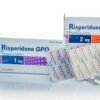
Ropinirole 1 mg: Uses, Dosage, Side Effects, Safety, and Frequently Asked Questions
What Is Ropinirole 1 mg?
Ropinirole 1 mg is a prescription dopamine agonist used to treat Parkinson’s disease and Restless Legs Syndrome (RLS). It works by stimulating dopamine receptors in the brain, helping improve movement and reduce symptoms caused by low dopamine activity.
Ropinirole is available under the brand name Requip in some countries, as well as in generic formulations.
Available strengths include:
- 0.25 mg tablets
- 0.5 mg tablets
- 1 mg tablets
- 2 mg tablets
- 3 mg tablets
- 4 mg tablets
- 5 mg tablets
- Extended-release tablets (various strengths)
How Ropinirole Works
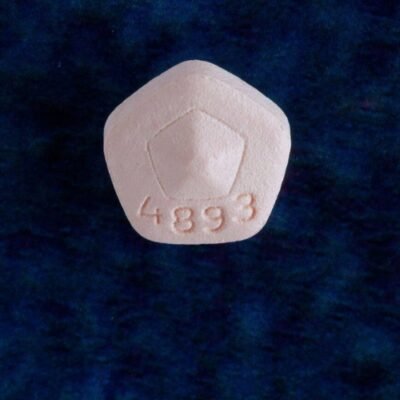
Ropinirole mimics the action of dopamine, a natural chemical messenger involved in controlling movement and muscle coordination.
By activating dopamine receptors, it helps:
- Improve movement and flexibility.
- Reduce tremors and muscle stiffness.
- Decrease the urge to move the legs in people with Restless Legs Syndrome.
- Improve overall motor function.
Ropinirole 1 mg Uses
Ropinirole may be prescribed for:
Parkinson’s Disease
It helps reduce symptoms such as:
- Tremors.
- Muscle stiffness.
- Slow movement (bradykinesia).
- Difficulty with balance and coordination.
It may be used alone during early stages of Parkinson’s disease or in combination with levodopa during later stages.
Restless Legs Syndrome (RLS)
Ropinirole may help relieve:
- An uncontrollable urge to move the legs.
- Tingling, crawling, or uncomfortable sensations.
- Symptoms that worsen during periods of rest or at night.
- Sleep disturbances caused by RLS.
Benefits of Ropinirole 1 mg
When used as prescribed, Ropinirole may help:
- Improve mobility.
- Reduce Parkinson’s disease symptoms.
- Relieve Restless Legs Syndrome symptoms.
- Improve sleep quality in people with RLS.
- Enhance daily functioning and quality of life.
Ropinirole 1 mg Dosage
The correct dose depends on:
- The condition being treated.
- Age.
- Kidney and liver function.
- Other medications.
- Individual response to treatment.
General guidance:
- Take exactly as prescribed.
- Your healthcare provider may increase the dose gradually to reduce side effects.
- Do not stop treatment suddenly without medical advice.
How to Take Ropinirole
For best results:
- Take your medicine at the same time each day.
- Swallow the tablet whole with water.
- It may be taken with or without food.
- Taking it with food may reduce nausea.
- Follow your healthcare provider’s instructions carefully.
Missed Dose
If you miss a dose:
- Take it as soon as you remember.
- If it is nearly time for your next dose, skip the missed dose.
- Do not take two doses at once.
If you have missed several doses, contact your healthcare provider before restarting treatment.
Common Side Effects
Common side effects may include:
- Nausea.
- Dizziness.
- Drowsiness.
- Headache.
- Fatigue.
- Constipation.
- Vomiting.
- Low blood pressure when standing.
These side effects often improve as your body adjusts to the medication.
Serious Side Effects
Seek immediate medical attention if you experience:
- Sudden episodes of falling asleep during daily activities.
- Hallucinations or severe confusion.
- Severe dizziness or fainting.
- Unusual urges or compulsive behaviors, such as excessive gambling or shopping.
- Severe allergic reactions.
- Swelling of the legs or ankles.
Safety Information
Before taking Ropinirole, tell your healthcare provider if you have:
- Heart disease.
- Low blood pressure.
- Liver disease.
- Kidney disease.
- Mental health conditions.
- Sleep disorders.
- Pregnancy or plans to become pregnant.
- Breastfeeding.
Because Ropinirole can cause sudden sleepiness, avoid driving or operating heavy machinery until you know how the medicine affects you.
Drug Interactions
Ropinirole may interact with:
- Alcohol.
- Sleeping medications.
- Sedatives.
- Certain antidepressants.
- Antipsychotic medications.
- Ciprofloxacin.
- Hormone replacement therapy (HRT).
Always tell your healthcare provider about all prescription medicines, over-the-counter medications, vitamins, and herbal supplements you take.
Alcohol and Ropinirole
Alcohol may increase:
- Drowsiness.
- Dizziness.
- Poor coordination.
- Risk of falls.
Avoid or limit alcohol while taking Ropinirole unless advised otherwise by your healthcare provider.
Pregnancy and Breastfeeding
If you are pregnant, planning pregnancy, or breastfeeding:
- Discuss treatment options with your healthcare provider.
- Ropinirole should only be used when the potential benefits outweigh the potential risks.
Storage
Store Ropinirole tablets:
- At room temperature.
- Away from moisture and heat.
- In the original packaging.
- Out of reach of children.
Frequently Asked Questions (FAQs)
What is Ropinirole 1 mg used for?
Ropinirole 1 mg is used to treat Parkinson’s disease and Restless Legs Syndrome (RLS).
Is Ropinirole the same as Requip?
Yes. Requip is a brand name for ropinirole.
Is Ropinirole a dopamine agonist?
Yes. Ropinirole belongs to the dopamine agonist class of medications.
Can Ropinirole make you sleepy?
Yes. Drowsiness and sudden sleep episodes are known side effects. Use caution with activities requiring alertness.
Can I stop taking Ropinirole suddenly?
No. Stopping suddenly may worsen symptoms or cause withdrawal-related effects. Your healthcare provider should guide any dose reduction.
Can older adults take Ropinirole?
Yes. Older adults often use Ropinirole, but they may be more sensitive to dizziness, confusion, hallucinations, and low blood pressure.
What happens if I take too much Ropinirole?
An overdose may cause severe nausea, vomiting, dizziness, confusion, drowsiness, hallucinations, or fainting. Seek emergency medical care immediately if an overdose is suspected.
Does Ropinirole cure Parkinson’s disease?
No. Ropinirole helps control symptoms but does not cure Parkinson’s disease or stop its progression.
How long does Ropinirole take to work?
Some people notice improvement within a few days, while full benefits may take several weeks as the dose is gradually adjusted.
Can Ropinirole affect behavior?
Yes. Some people may develop impulse-control disorders, such as compulsive gambling, shopping, eating, or increased sexual urges. Contact your healthcare provider if these behaviors occur.
Final Thoughts
Ropinirole 1 mg is an effective dopamine agonist used to treat Parkinson’s disease and Restless Legs Syndrome by improving dopamine activity in the brain. It can significantly improve movement, reduce discomfort, and enhance quality of life when taken as prescribed.
Regular follow-up with your healthcare provider is important to monitor your response to treatment and manage potential side effects. Always take Ropinirole exactly as directed and never stop the medication without medical advice.
Medical Disclaimer: This article is for educational and informational purposes only and should not replace professional medical advice, diagnosis, or treatment. Always consult a qualified healthcare professional before starting, stopping, or changing any medication.
| Quantity | 30 Pills, 60 Pills, 120 Pills, 180 Pills, 200 Pills, 250 Pills, 300 Pills, 400 Pills, 500 Pills |
|---|
Be the first to review “Ropinirole 1mg”
Related products

Drugs

Drugs
Drugs

Drugs
Drugs

Drugs

Drugs
Drugs
Reviews
There are no reviews yet.