
Isotretinoin 20 mg: Uses, Dosage, Side Effects, Safety, and Frequently Asked Questions
What Is Isotretinoin 20 mg?
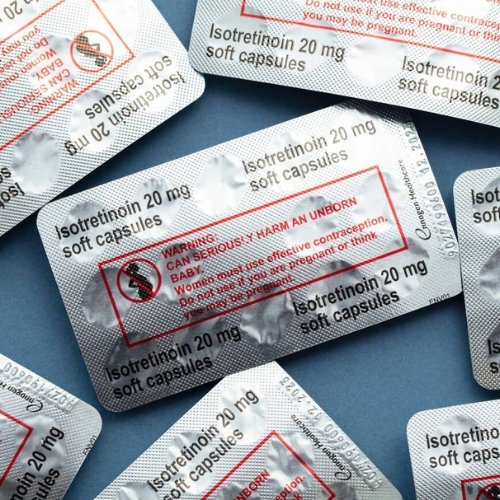
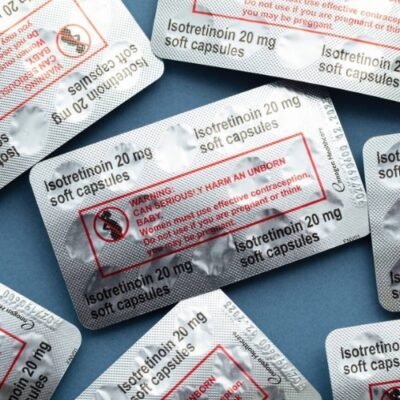
Isotretinoin 20 mg is a prescription oral retinoid medication related to vitamin A. It is mainly used for the treatment of severe acne, especially acne that has not improved with other treatments such as topical medications or antibiotics.
It works by targeting several causes of acne, including excess oil production, clogged pores, and skin inflammation.
Common isotretinoin capsule strengths include:
- 10 mg
- 20 mg
- 30 mg
- 40 mg
How Isotretinoin Works
Isotretinoin helps improve acne by:
- Reducing the size and activity of oil-producing glands in the skin.
- Decreasing excess sebum (oil) production.
- Helping prevent blocked pores.
- Reducing inflammation.
- Lowering the formation of new acne lesions.
Because it works on the underlying causes of acne, isotretinoin may provide long-lasting improvement after a completed treatment course.
Isotretinoin 20 mg Uses
Severe Acne Treatment
Isotretinoin is commonly prescribed for:
- Severe nodular acne.
- Cystic acne.
- Acne that has not responded to other treatments.
- Acne that may cause significant scarring.
Other Specialist Uses
Dermatologists may sometimes prescribe isotretinoin for other skin conditions. These uses depend on individual medical assessment.
Benefits of Isotretinoin 20 mg
When used under medical supervision, isotretinoin may help:
- Reduce severe acne outbreaks.
- Decrease oily skin.
- Improve skin appearance.
- Reduce the development of acne scars.
- Provide long-term acne control for many patients.
Isotretinoin 20 mg Dosage
The dose is individualized based on:
- Body weight.
- Severity of acne.
- Treatment response.
- Side effects.
- Blood test results.
General guidance:
- Take only as prescribed by a dermatologist or healthcare provider.
- Treatment usually lasts several months.
- Dose adjustments may be made during treatment.
- Do not increase, decrease, or stop treatment without medical advice.
How to Take Isotretinoin
For best results:
- Take capsules exactly as prescribed.
- Swallow capsules whole with water.
- Take with food if instructed, as food can improve absorption.
- Avoid taking vitamin A supplements unless your healthcare provider specifically recommends them.
Missed Dose
If you miss a dose:
- Take it when you remember if it is not close to your next scheduled dose.
- Skip it if it is almost time for the next dose.
- Do not take extra capsules to make up for a missed dose.
Common Side Effects
Common side effects include:
- Dry lips.
- Dry skin.
- Dry eyes.
- Dry nose.
- Nosebleeds.
- Increased skin sensitivity.
- Mild muscle or joint discomfort.
- Headache.
Regular use of moisturizers and lip balm may help reduce dryness.
Serious Side Effects
Contact a healthcare professional promptly if you experience:
- Severe mood changes.
- Severe headache with vision problems.
- Significant abdominal pain.
- Yellowing of the skin or eyes.
- Severe allergic reactions.
- Major changes in vision.
- Severe muscle weakness or unusual pain.
Important Safety Information
Pregnancy Warning
Isotretinoin can cause serious harm to an unborn baby.
People who can become pregnant should:
- Avoid pregnancy during treatment.
- Follow required pregnancy prevention guidance from their healthcare provider.
- Discuss contraception and pregnancy testing requirements before and during treatment.
Monitoring During Treatment
Your healthcare provider may recommend monitoring:
- Liver function.
- Cholesterol and triglyceride levels.
- Pregnancy status where applicable.
Regular checkups help ensure safe use.
Drug Interactions
Isotretinoin may interact with:
- Vitamin A supplements.
- Tetracycline antibiotics (such as doxycycline and minocycline).
- Certain medicines affecting the liver.
- Other acne treatments that increase skin irritation.
Always inform your healthcare provider about all medicines, supplements, and vitamins you take.
Alcohol and Isotretinoin
Alcohol may increase the risk of:
- Liver problems.
- Increased triglyceride levels.
- Medication-related side effects.
Discuss alcohol use with your healthcare provider while taking isotretinoin.
Pregnancy and Breastfeeding
- Pregnancy: Isotretinoin should not be used during pregnancy because it can cause serious birth defects.
- Breastfeeding: It is generally avoided while breastfeeding unless specifically discussed with a healthcare professional.
Storage
Store isotretinoin capsules:
- At room temperature.
- Away from moisture and direct heat.
- In the original packaging.
- Away from children.
Frequently Asked Questions (FAQs)
What is Isotretinoin 20 mg used for?
Isotretinoin 20 mg is mainly used for severe acne that has not responded to other treatments.
Is isotretinoin the same as Accutane?
Accutane was a well-known brand name of isotretinoin. Many isotretinoin products are now available as generic medicines.
How long does isotretinoin take to work?
Improvement is usually gradual. Many patients notice changes after several weeks, with greater improvement during and after completing treatment.
Does isotretinoin permanently clear acne?
It can provide long-lasting improvement, but some people may experience acne returning after treatment.
Can I take vitamin A while using isotretinoin?
No. Taking vitamin A supplements with isotretinoin may increase the risk of vitamin A toxicity.
Why does isotretinoin cause dry lips?
Isotretinoin reduces oil production, which commonly causes dryness of the lips, skin, and eyes.
Can isotretinoin be used for mild acne?
It is generally reserved for severe acne or acne that has not improved with other treatments.
What happens if I take too much isotretinoin?
Taking too much may cause symptoms related to excess vitamin A activity. Seek medical advice if an overdose is suspected.
Final Thoughts
Isotretinoin 20 mg is a highly effective prescription treatment for severe acne. It works by reducing oil production, preventing clogged pores, and decreasing inflammation. Because it requires careful monitoring and has important safety precautions, it should only be used under the guidance of a qualified healthcare professional.
Patients should follow their prescribed treatment plan, attend recommended monitoring appointments, and report any concerning side effects promptly.
Medical Disclaimer: This article is for educational and informational purposes only and should not replace professional medical advice, diagnosis, or treatment. Always consult a qualified healthcare professional before starting, stopping, or changing any medication.
Be the first to review “Isotretinoin 20mg”
Related products
Drugs
Drugs
Drugs

Drugs
Drugs

Drugs

Drugs
Drugs
Reviews
There are no reviews yet.