

Zyprexa 10 mg (Olanzapine): Uses, Dosage, Side Effects, Safety, and Frequently Asked Questions
What Is Zyprexa 10 mg?
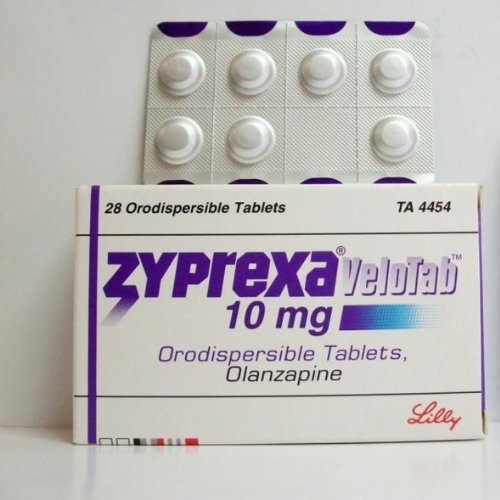
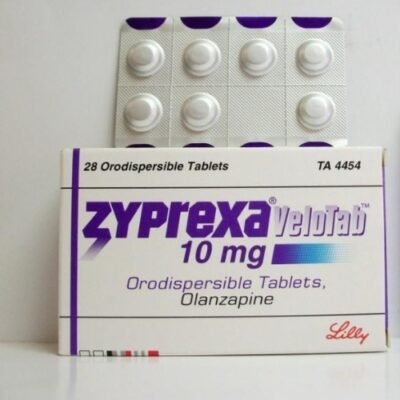
Zyprexa 10 mg is a prescription atypical (second-generation) antipsychotic medication that contains the active ingredient olanzapine. It is used to treat schizophrenia and bipolar disorder, and in some situations it may be used in combination with other medications for the treatment of treatment-resistant depression.
Zyprexa works by affecting several neurotransmitters in the brain, particularly dopamine and serotonin, helping improve mood, thinking, and behavior.
Zyprexa is available in several strengths, including:
- 2.5 mg tablets
- 5 mg tablets
- 7.5 mg tablets
- 10 mg tablets
- 15 mg tablets
- 20 mg tablets
- Orally disintegrating tablets (Zyprexa Zydis)
- Injectable formulations for use in healthcare settings
How Zyprexa Works
Olanzapine works by balancing the activity of certain brain chemicals, including:
- Dopamine, which influences thinking, emotions, and behavior.
- Serotonin, which affects mood, sleep, and appetite.
By regulating these neurotransmitters, Zyprexa can help reduce symptoms such as hallucinations, delusions, mood swings, and agitation.
Zyprexa 10 mg Uses
Schizophrenia
Zyprexa is prescribed to help manage symptoms such as:
- Hallucinations.
- Delusions.
- Disorganized thinking.
- Social withdrawal.
- Agitation.
Bipolar I Disorder
Zyprexa may be used to:
- Treat acute manic or mixed episodes.
- Help maintain mood stability and reduce the risk of future episodes.
Treatment-Resistant Depression
In some adults, olanzapine may be prescribed in combination with fluoxetine when depression has not responded adequately to other treatments.
Benefits of Zyprexa 10 mg
When taken as prescribed, Zyprexa may help:
- Reduce psychotic symptoms.
- Stabilize mood.
- Improve thinking and concentration.
- Decrease agitation.
- Lower the risk of relapse when used consistently.
Zyprexa 10 mg Dosage
The appropriate dose depends on:
- The condition being treated.
- Age.
- Response to treatment.
- Liver function.
- Other medications being taken.
General guidance:
- Take exactly as prescribed.
- Your healthcare provider may adjust the dose gradually.
- Do not stop taking Zyprexa suddenly without medical advice, as symptoms may return or worsen.
How to Take Zyprexa
For best results:
- Take the tablet at the same time each day.
- It may be taken with or without food.
- Swallow tablets with water.
- If using an orally disintegrating tablet, allow it to dissolve on the tongue before swallowing.
Missed Dose
If you miss a dose:
- Take it as soon as you remember.
- If it is almost time for your next dose, skip the missed dose.
- Do not take two doses at the same time.
Common Side Effects
Common side effects may include:
- Drowsiness.
- Increased appetite.
- Weight gain.
- Dry mouth.
- Constipation.
- Dizziness.
- Fatigue.
Some people may also experience changes in blood sugar or cholesterol levels over time.
Serious Side Effects
Seek immediate medical attention if you experience:
- High fever, severe muscle stiffness, confusion, or sweating (possible neuroleptic malignant syndrome).
- Uncontrolled muscle movements, especially of the face or tongue (tardive dyskinesia).
- Severe allergic reaction.
- High blood sugar symptoms, such as excessive thirst, frequent urination, or confusion.
- Seizures.
- Fainting or severe dizziness.
- Signs of stroke, such as sudden weakness, difficulty speaking, or vision changes.
Safety Information
Before taking Zyprexa, tell your healthcare provider if you have:
- Diabetes or a family history of diabetes.
- High cholesterol or triglycerides.
- Heart disease.
- Liver disease.
- Seizure disorders.
- Glaucoma.
- Enlarged prostate or difficulty urinating.
- Pregnancy or plans to become pregnant.
- Breastfeeding.
Your healthcare provider may monitor:
- Weight.
- Blood sugar.
- Cholesterol and triglycerides.
- Blood pressure.
- Liver function.
- Mental health symptoms.
Important: Older adults with dementia-related psychosis have an increased risk of death when treated with antipsychotic medications such as Zyprexa. It is not approved for the treatment of dementia-related psychosis.
Drug Interactions
Zyprexa may interact with:
- Alcohol.
- Benzodiazepines.
- Opioid pain medicines.
- Sleeping pills.
- Certain antidepressants.
- Medicines that cause drowsiness.
- Some medications that affect liver enzymes.
Always tell your healthcare provider about all prescription medicines, over-the-counter medicines, vitamins, and herbal supplements you take.
Alcohol and Zyprexa
Avoid drinking alcohol while taking Zyprexa.
Alcohol can increase:
- Drowsiness.
- Dizziness.
- Poor coordination.
- Difficulty concentrating.
Pregnancy and Breastfeeding
If you are pregnant, planning pregnancy, or breastfeeding:
- Discuss the benefits and risks of treatment with your healthcare provider.
- Do not stop taking Zyprexa without medical advice, as untreated mental health conditions can also pose significant risks.
- Olanzapine passes into breast milk, and your healthcare provider can advise whether breastfeeding is appropriate.
Storage
Store Zyprexa tablets:
- At room temperature.
- Away from moisture and heat.
- In the original packaging.
- Keep out of reach of children and pets.
Frequently Asked Questions (FAQs)
What is Zyprexa 10 mg used for?
Zyprexa 10 mg is used to treat schizophrenia, bipolar I disorder, and in some cases, treatment-resistant depression when combined with fluoxetine.
Is Zyprexa an antidepressant?
No. Zyprexa is an atypical antipsychotic medication. It may be used alongside an antidepressant for certain cases of treatment-resistant depression.
Can Zyprexa cause weight gain?
Yes. Increased appetite and weight gain are among the most common side effects. Your healthcare provider may monitor your weight and metabolic health during treatment.
Can Zyprexa increase blood sugar?
Yes. Olanzapine may increase blood sugar levels and, in some cases, contribute to the development or worsening of diabetes. Regular monitoring may be recommended.
Can I stop taking Zyprexa suddenly?
No. Do not stop taking Zyprexa without consulting your healthcare provider, as abrupt discontinuation may lead to withdrawal symptoms or recurrence of your condition.
Can older adults take Zyprexa?
Some older adults may be prescribed Zyprexa, but it is not approved for dementia-related psychosis because of an increased risk of serious adverse outcomes.
Can children take Zyprexa?
Olanzapine may be prescribed for certain conditions in adolescents, but its use depends on age, diagnosis, and a healthcare provider’s assessment.
What happens if I take too much Zyprexa?
An overdose may cause severe drowsiness, confusion, rapid heartbeat, low blood pressure, breathing difficulties, seizures, or coma. Seek emergency medical attention immediately if an overdose is suspected.
Final Thoughts
Zyprexa 10 mg (olanzapine) is an effective atypical antipsychotic used to treat schizophrenia, bipolar I disorder, and certain cases of treatment-resistant depression. It can improve symptoms and quality of life when used as part of a comprehensive treatment plan.
Because Zyprexa may cause weight gain and changes in blood sugar and cholesterol levels, regular follow-up with your healthcare provider is important to monitor your overall health and treatment response.
Medical Disclaimer: This article is for educational and informational purposes only and should not replace professional medical advice, diagnosis, or treatment. Always consult a qualified healthcare professional before starting, stopping, or changing any medication.
| Quantity | 30 Pills, 60 Pills, 120 Pills, 180 Pills, 200 Pills, 250 Pills, 300 Pills, 400 Pills, 500 Pills |
|---|
Be the first to review “Zyprexa 10mg”
Related products

Drugs

Drugs
Drugs
Drugs

Drugs
Drugs
Drugs
Reviews
There are no reviews yet.