
Chloramphenicol: Uses, Dosage, Side Effects, Safety, and Frequently Asked Questions
Chloramphenicol: Uses, Dosage, Side Effects & Safety Guide
Learn about chloramphenicol, including its uses for serious bacterial infections, dosage guidance, side effects, safety precautions, drug interactions, and frequently asked questions.
Chloramphenicol: Everything You Need to Know
Chloramphenicol is a prescription antibiotic used to treat serious bacterial infections. It works by stopping bacteria from producing essential proteins needed for growth and survival.
Because of its potential for serious side effects, chloramphenicol is usually reserved for serious infections when other antibiotics are not suitable or effective.
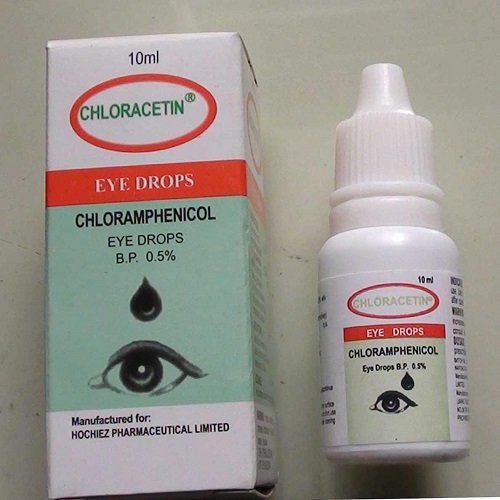
It is available in several forms, including eye drops, eye ointment, oral capsules, and injectable formulations.
What Is Chloramphenicol?
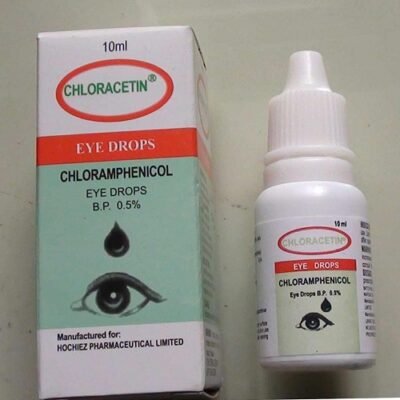
Chloramphenicol is a broad-spectrum antibiotic that can treat a wide range of bacterial infections.
It is available as:
- Eye drops (ophthalmic solution)
- Eye ointment
- Oral capsules (in some countries)
- Intravenous injection (hospital use)
Topical eye forms are more commonly used due to lower risk of systemic side effects.
Approved Medical Uses
Healthcare providers may prescribe chloramphenicol for:
- Bacterial conjunctivitis (eye infection)
- Severe systemic bacterial infections (rare use)
- Typhoid fever (in specific settings)
- Brain infections such as meningitis (hospital use)
- Eye infections caused by susceptible bacteria
It is generally used only when safer antibiotics cannot be used.
How Does Chloramphenicol Work?
Chloramphenicol works by inhibiting bacterial protein synthesis.
This helps:
- Stop bacterial growth
- Reduce infection severity
- Allow the immune system to eliminate bacteria
- Treat infections resistant to other antibiotics
It is bacteriostatic (stops growth) but can be bactericidal at high concentrations.
How Should Chloramphenicol Be Used?
Use exactly as prescribed by a healthcare provider.
General guidance:
- For eye drops: apply as directed, usually several times daily
- For eye ointment: apply a thin layer inside the lower eyelid
- Wash hands before and after use
- Do not touch dropper tip to the eye
- Complete full treatment course
- Do not share medication
Dosage Information
Dosage depends on infection type and severity.
Typical adult dosing (general guidance)
Eye infections
- Eye drops: 1 drop every 2–6 hours initially, then reduced as improvement occurs
- Eye ointment: applied 3–4 times daily
Systemic infections (hospital use)
- Dose is carefully calculated based on weight and severity
Important note
Systemic use is tightly controlled due to serious risk of bone marrow suppression.
Common Side Effects
Common side effects include:
- Eye irritation or burning (eye form)
- Temporary blurred vision
- Mild stinging after application
- Nausea (oral form)
- Headache
Serious Safety Warnings
Chloramphenicol can cause rare but serious side effects.
Potential risks include:
- Bone marrow suppression
- Aplastic anemia (rare but potentially fatal)
- Severe blood disorders
- Gray baby syndrome (in newborns)
- Severe allergic reactions
Seek immediate medical attention if you experience unusual bruising, fatigue, infections, or breathing difficulties.
Important Precautions
Before using chloramphenicol, tell your healthcare provider if you have:
- History of blood disorders
- Liver disease
- Kidney disease
- Pregnancy or breastfeeding
- Use in infants or newborns (strict caution)
Systemic chloramphenicol requires careful monitoring.
Drug Interactions
Chloramphenicol may interact with:
- Blood thinners (e.g., warfarin)
- Antiepileptic drugs (e.g., phenytoin, phenobarbital)
- Certain antibiotics
- Cancer medications
It may increase levels of some drugs in the blood.
Monitoring During Treatment
Healthcare providers may monitor:
- Blood counts (for systemic use)
- Infection improvement
- Signs of bone marrow suppression
- Eye response in ophthalmic use
- Adverse reactions
Regular monitoring is critical for safety in systemic therapy.
Safe Storage
Store chloramphenicol properly:
- Keep at room temperature
- Protect from light and moisture
- Do not freeze eye drops
- Keep container tightly closed
- Keep out of reach of children
- Do not use expired medication
Frequently Asked Questions
What is chloramphenicol used for?
It is used to treat bacterial infections, especially eye infections and severe infections when other antibiotics are not suitable.
Is chloramphenicol an antibiotic?
Yes. It is a broad-spectrum antibiotic.
Is chloramphenicol safe for eyes?
Yes, the eye form is commonly used and generally safe when used correctly.
Why is chloramphenicol restricted?
Because of rare but serious risks like bone marrow suppression and aplastic anemia.
Can chloramphenicol treat viral infections?
No. It only works against bacteria.
What are the most common side effects?
Eye irritation, mild burning, and temporary blurred vision are most common.
Can I stop chloramphenicol early?
No. Always complete the full course unless advised by a doctor.
Conclusion
Chloramphenicol is a powerful antibiotic used mainly for bacterial eye infections and certain serious systemic infections. While effective, it is carefully restricted due to the risk of rare but serious blood-related side effects.
When used correctly under medical supervision—especially in eye form—it is a valuable treatment option for bacterial infections.
Chloramphenicol, chloramphenicol uses, chloramphenicol dosage, chloramphenicol side effects, antibiotic eye drops, bacterial eye infection treatment, conjunctivitis medication, broad spectrum antibiotic, chloramphenicol ointment, prescription antibiotic guide, chloramphenicol safety, eye infection drops, antibacterial eye treatment, typhoid antibiotic, meningitis antibiotic, chloramphenicol FAQs, gray baby syndrome, bone marrow suppression antibiotic, infection treatment medication, ophthalmic antibiotic guide.
| Quantity | 30 Pills, 60 Pills, 120 Pills, 180 Pills, 200 Pills, 250 Pills, 300 Pills, 400 Pills, 500 Pills |
|---|
Be the first to review “Chloramphenicol”
Related products
Drugs

Drugs
Drugs
Drugs
Drugs
Drugs

Drugs
Reviews
There are no reviews yet.