
Clopidogrel: Uses, Dosage, Side Effects, Safety, and Frequently Asked Questions
Clopidogrel: Uses, Dosage, Side Effects & Safety Guide
Learn about clopidogrel, including its uses for preventing blood clots, stroke, and heart attack, dosage guidance, side effects, safety precautions, drug interactions, and frequently asked questions.
Clopidogrel: Everything You Need to Know
Clopidogrel is a prescription antiplatelet medication used to prevent blood clots. It reduces the risk of serious cardiovascular events such as heart attack, stroke, and peripheral artery disease complications.
It is commonly prescribed for people who have had a recent heart attack, stroke, stent placement, or certain circulation problems.
Clopidogrel does not “thin the blood” in the same way as anticoagulants; instead, it helps prevent platelets from sticking together and forming clots.
What Is Clopidogrel?
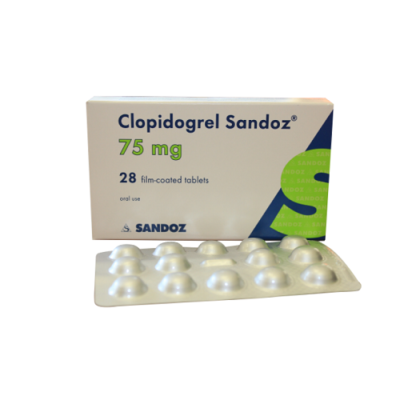
Clopidogrel belongs to a class of drugs called P2Y12 platelet inhibitors.
It is available as:
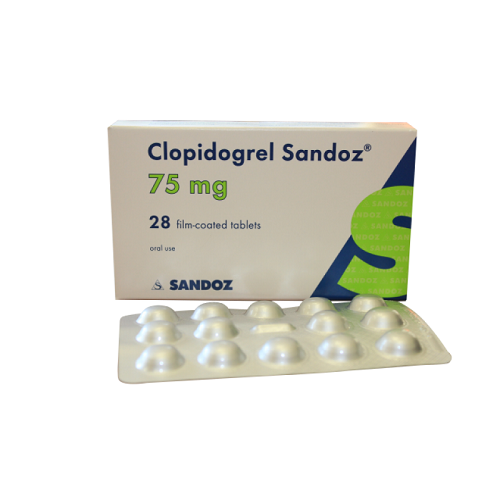
- Oral tablets (commonly 75 mg)
It is often used long-term in patients at high risk of clot-related conditions.
Approved Medical Uses
Healthcare providers prescribe clopidogrel for:
- Prevention of heart attack (myocardial infarction)
- Prevention of ischemic stroke
- Peripheral artery disease (PAD)
- Acute coronary syndrome (unstable angina, NSTEMI, STEMI)
- Prevention of clot formation after coronary stent placement
- Secondary prevention in high-risk cardiovascular patients
How Does Clopidogrel Work?
Clopidogrel works by blocking the P2Y12 receptor on platelets.
This helps:
- Prevent platelets from clumping together
- Reduce formation of harmful blood clots
- Improve blood flow in arteries
- Lower risk of heart attack and stroke
Because platelets are affected for their lifespan, its effects last several days after stopping.
How Should Clopidogrel Be Taken?
Always take clopidogrel exactly as prescribed.
General recommendations include:
- Take once daily at the same time
- Can be taken with or without food
- Swallow tablet whole with water
- Do not stop suddenly without medical advice
- Continue even if you feel well
- Follow any dual therapy instructions (e.g., with aspirin if prescribed)
Dosage Information
Dosage depends on the condition being treated.
Typical adult dosing (general guidance)
Most conditions
- 75 mg once daily
Acute coronary syndrome (initial treatment)
- Often a 300 mg or 600 mg loading dose, then 75 mg daily
Important note
Your healthcare provider will determine duration and whether combination therapy is needed.
Common Side Effects
Common side effects include:
- Easy bruising
- Nosebleeds
- Mild bleeding from cuts
- Stomach discomfort
- Diarrhea
- Headache
- Dizziness
Serious Safety Warnings
Clopidogrel increases bleeding risk.
Potential serious risks include:
- Severe bleeding (gastrointestinal or internal)
- Brain bleeding (rare but serious)
- Low platelet count (thrombocytopenia)
- Severe allergic reactions
- Unusual bruising or prolonged bleeding
Seek immediate medical attention if you experience black stools, vomiting blood, or sudden weakness.
Important Precautions
Before taking clopidogrel, tell your healthcare provider if you have:
- History of bleeding disorders
- Stomach ulcers
- Liver disease
- Recent surgery or injury
- Planned surgical procedures
- Pregnancy or breastfeeding
Clopidogrel may need to be stopped before surgery under medical supervision.
Drug Interactions
Clopidogrel may interact with several medications.
Inform your healthcare provider about:
- Aspirin (often used together but increases bleeding risk)
- NSAIDs (ibuprofen, naproxen)
- Warfarin or other anticoagulants
- Proton pump inhibitors (e.g., omeprazole)
- Certain antidepressants (SSRIs/SNRIs)
Some drugs may reduce clopidogrel effectiveness or increase bleeding risk.
Monitoring During Treatment
Healthcare providers may monitor:
- Signs of bleeding or bruising
- Blood counts (in some cases)
- Cardiovascular symptoms
- Post-stent clot prevention effectiveness
- Drug interactions and adherence
Safe Storage
Store clopidogrel properly:
- Keep at room temperature
- Store in original packaging
- Protect from moisture and heat
- Keep out of reach of children
- Do not use expired tablets
- Dispose of unused medication safely
Frequently Asked Questions
What is clopidogrel used for?
Clopidogrel is used to prevent blood clots that can lead to heart attack, stroke, and other cardiovascular problems.
Is clopidogrel a blood thinner?
It is an antiplatelet medication, which prevents platelets from forming clots.
How long does clopidogrel take to work?
It starts working within hours, but full effect may take several days.
Can I stop clopidogrel suddenly?
No. Stopping suddenly may increase the risk of heart attack or stroke.
What are the most common side effects?
Bruising, nosebleeds, and mild bleeding are the most common.
Can I take clopidogrel with aspirin?
Yes, but only under medical supervision due to increased bleeding risk.
Is clopidogrel safe long-term?
Yes, when used under medical supervision with regular monitoring.
Conclusion
Clopidogrel is an important antiplatelet medication used to prevent serious cardiovascular events such as heart attack and stroke. It works by preventing platelets from forming harmful clots in the bloodstream.
Although effective, it increases bleeding risk and must be used carefully, especially when combined with other blood-thinning medications. Regular monitoring and adherence to prescribed therapy are essential for safe long-term use.
Clopidogrel, clopidogrel uses, clopidogrel dosage, clopidogrel side effects, antiplatelet medication, blood clot prevention, stroke prevention drug, heart attack prevention medicine, P2Y12 inhibitor, Plavix alternative, cardiovascular medication guide, stent medication therapy, dual antiplatelet therapy, clopidogrel safety, prescription antiplatelet drug, bleeding risk medication, clot prevention tablets, ischemic stroke prevention, heart disease medication, clopidogrel FAQs.
| Quantity | 30 Pills, 60 Pills, 120 Pills, 180 Pills, 200 Pills, 250 Pills, 300 Pills, 400 Pills, 500 Pills |
|---|
Be the first to review “Clopidogrel”
Related products
Drugs

Drugs

Drugs
Drugs
Drugs
Drugs
Drugs

Drugs
Reviews
There are no reviews yet.