
Clobetasol: Uses, Dosage, Side Effects, Safety, and Frequently Asked Questions
Learn about Clobetasol, including its uses for eczema, psoriasis, and other inflammatory skin conditions, dosage guidance, side effects, safety precautions, drug interactions, and frequently asked questions.
Clobetasol: Everything You Need to Know
Clobetasol is a prescription high-potency topical corticosteroid used to treat a variety of inflammatory skin conditions, including eczema, psoriasis, and dermatitis. It helps reduce redness, swelling, itching, and irritation by suppressing inflammation in the skin.
Because Clobetasol is one of the strongest topical corticosteroids available, it is generally intended for short-term use and should only be used under the guidance of a healthcare provider.
What Is Clobetasol?
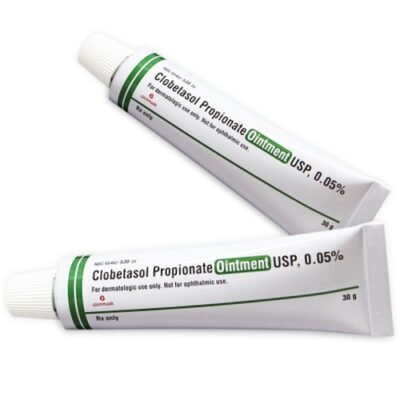
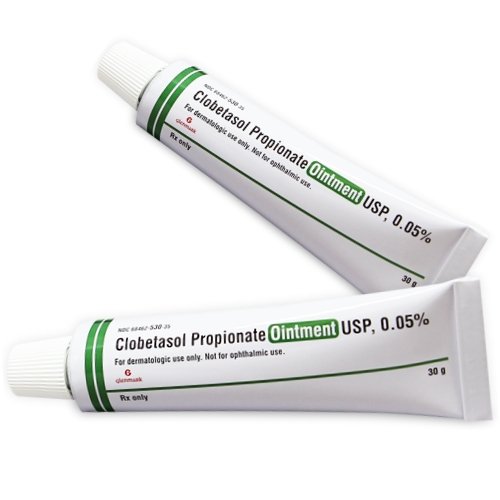
Clobetasol (also known as clobetasol propionate) is a super-high-potency corticosteroid applied directly to the skin or scalp.
It is available in several formulations, including:
- Cream
- Ointment
- Lotion
- Foam
- Gel
- Shampoo
- Scalp solution
- Spray
The choice of formulation depends on the condition being treated and the area of the body affected.
Approved Medical Uses
Healthcare providers may prescribe Clobetasol for:
- Plaque psoriasis
- Eczema (atopic dermatitis)
- Contact dermatitis
- Seborrheic dermatitis (certain formulations)
- Lichen planus
- Discoid lupus erythematosus
- Scalp psoriasis
- Other corticosteroid-responsive skin disorders
It is usually prescribed when lower-potency corticosteroids have not provided adequate relief.
How Does Clobetasol Work?
Clobetasol works by reducing the activity of inflammatory substances in the skin.
This helps:
- Reduce redness
- Relieve itching
- Decrease swelling
- Reduce scaling
- Improve skin healing
- Control flare-ups of inflammatory skin conditions
Because it acts directly on the affected area, symptoms often improve within a few days.
How Should Clobetasol Be Used?
Always use Clobetasol exactly as prescribed.
General recommendations include:
- Apply a thin layer to the affected area.
- Use only the prescribed amount.
- Wash your hands before and after application (unless treating the hands).
- Avoid contact with the eyes, mouth, and inside the nose.
- Do not apply to broken or infected skin unless instructed.
- Do not cover treated areas with airtight dressings unless directed.
- Do not use longer than recommended.
Long-term or excessive use increases the risk of side effects.
Dosage Information
Dosage depends on the condition being treated, the formulation, and the area affected.
Typical adult dosing (general guidance)
- Apply a thin layer once or twice daily to affected areas.
- Treatment is often limited to 2 consecutive weeks for many conditions.
- Some scalp formulations may have different instructions.
Important note
Use the lowest effective amount for the shortest duration needed to control symptoms.
Common Side Effects
Most side effects are mild and occur at the application site.
Common side effects include:
- Burning or stinging
- Itching
- Dry skin
- Redness
- Skin irritation
- Skin thinning (with prolonged use)
These effects are usually temporary and improve after treatment is completed.
Serious Safety Warnings
Although uncommon when used correctly, Clobetasol can cause serious side effects, especially with prolonged or extensive use.
Potential risks include:
- Skin thinning (atrophy)
- Stretch marks (striae)
- Changes in skin color
- Easy bruising
- Delayed wound healing
- Adrenal suppression
- Increased blood sugar levels
- Serious allergic reactions
Seek medical attention if you develop severe skin irritation, signs of infection, or symptoms of an allergic reaction.
Important Precautions
Before using Clobetasol, tell your healthcare provider if you have:
- Skin infections
- Diabetes
- Liver disease
- Poor circulation
- Immune system disorders
- Pregnancy or breastfeeding considerations
Extra caution is needed when treating children because they absorb topical steroids more readily than adults.
Drug Interactions
Because Clobetasol is applied to the skin, significant drug interactions are uncommon. However, tell your healthcare provider about all:
- Prescription medications
- Over-the-counter medicines
- Herbal supplements
- Other topical corticosteroids
- Other medicated skin products
Using multiple steroid products together may increase the risk of side effects.
Monitoring During Treatment
Healthcare providers may monitor:
- Improvement in skin symptoms
- Signs of skin thinning
- Development of skin infections
- Adrenal function (with prolonged or extensive use)
- Overall treatment response
Regular follow-up is recommended for long-term treatment.
Safe Storage
Store Clobetasol according to the product labeling.
General recommendations include:
- Keep at room temperature.
- Protect from excessive heat and moisture.
- Keep containers tightly closed.
- Keep out of reach of children and pets.
- Do not freeze unless instructed.
- Dispose of expired medication safely.
Frequently Asked Questions
What is Clobetasol used for?
Clobetasol is used to treat inflammatory skin conditions such as psoriasis, eczema, dermatitis, and other steroid-responsive skin disorders.
Is Clobetasol a steroid?
Yes. Clobetasol is a super-high-potency topical corticosteroid.
How long can I use Clobetasol?
Treatment is usually limited to short periods, often no longer than two weeks, unless your healthcare provider advises otherwise.
Can Clobetasol be used on the face?
Generally, Clobetasol should not be used on the face unless specifically prescribed, because facial skin is more susceptible to side effects.
What are the most common side effects?
Common side effects include burning, itching, skin irritation, dryness, redness, and skin thinning with prolonged use.
Can Clobetasol thin the skin?
Yes. Prolonged or excessive use can cause skin thinning, which is why it should be used only as directed.
Is Clobetasol safe for children?
Children may absorb more of the medication through their skin, increasing the risk of side effects. It should only be used in children when prescribed by a healthcare provider.
Conclusion
Clobetasol is a highly effective prescription corticosteroid used to treat severe inflammatory skin conditions such as psoriasis and eczema. Its strong anti-inflammatory action can quickly relieve itching, redness, and swelling when used correctly.
Because Clobetasol is one of the most potent topical steroids available, it should be used only as prescribed and for the shortest effective duration. Regular follow-up with a healthcare provider helps ensure safe and effective treatment while minimizing the risk of side effects.
Clobetasol, Clobetasol propionate, Clobetasol uses, Clobetasol dosage, Clobetasol side effects, topical corticosteroid, high potency steroid cream, psoriasis treatment, eczema cream prescription, dermatitis treatment, Clobetasol cream, Clobetasol ointment, scalp psoriasis treatment, skin inflammation medication, corticosteroid cream, Clobetasol safety, prescription skin cream, steroid cream for eczema, Clobetasol FAQs, inflammatory skin treatment, topical steroid guide.
Be the first to review “Clobetasol”
Related products
Drugs
Drugs
Drugs
Drugs
Drugs

Drugs
Drugs
Reviews
There are no reviews yet.