
Felodipine 10 mg: Uses, Dosage, Side Effects, Safety, and Frequently Asked Questions
Felodipine 10 mg: Uses, Dosage, Side Effects & Safety Guide
Learn about Felodipine 10 mg, including its uses for high blood pressure and angina, dosage guidance, side effects, safety precautions, drug interactions, and frequently asked questions.
Felodipine 10 mg: Everything You Need to Know
Felodipine 10 mg is a prescription medication belonging to the calcium channel blocker class. It is primarily used to treat high blood pressure (hypertension) and help prevent angina (chest pain) by relaxing and widening blood vessels.
By improving blood flow and reducing the workload on the heart, Felodipine helps lower blood pressure and decreases the risk of serious cardiovascular complications such as heart attack, stroke, and kidney damage.
Felodipine is usually prescribed as an extended-release tablet, allowing the medication to work gradually throughout the day.
What Is Felodipine 10 mg?
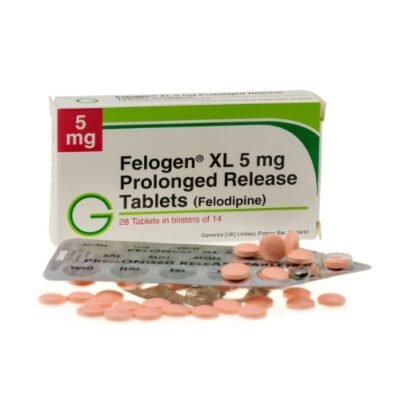
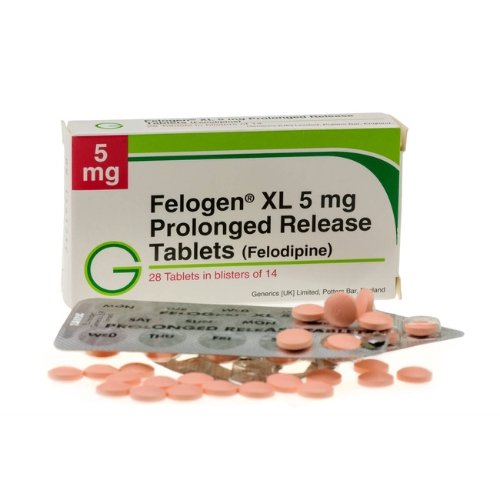
Felodipine is a dihydropyridine calcium channel blocker that relaxes the smooth muscles in the walls of blood vessels.
It is available as:
- Extended-release oral tablets
- Common strengths include 2.5 mg, 5 mg, and 10 mg
The 10 mg tablet is typically used for patients who require stronger blood pressure control after assessment by a healthcare provider.
Approved Medical Uses
Healthcare providers prescribe Felodipine for:
- High blood pressure (hypertension)
- Chronic stable angina (chest pain)
- Reducing the risk of cardiovascular complications associated with hypertension
Lowering blood pressure helps protect the heart, brain, kidneys, and blood vessels from long-term damage.
How Does Felodipine Work?
Felodipine blocks the movement of calcium into the muscle cells of blood vessel walls.
This helps:
- Relax blood vessels
- Lower blood pressure
- Improve blood flow
- Reduce the heart’s workload
- Help prevent episodes of angina
Unlike some heart medications, Felodipine mainly acts on blood vessels rather than directly slowing the heart rate.
How Should Felodipine 10 mg Be Taken?
Always take Felodipine exactly as prescribed by your healthcare provider.
General recommendations include:
- Take once daily.
- Swallow the extended-release tablet whole.
- Do not crush, chew, or split the tablet.
- Take at the same time each day.
- It may be taken with or without food, but try to take it consistently the same way each day.
- Continue taking the medication even if you feel well.
High blood pressure often has no symptoms, so regular treatment remains important.
Dosage Information
Dosage depends on your medical condition, blood pressure response, age, and other medications.
Typical adult dosing (general guidance)
Hypertension
- Initial dose is often 5 mg once daily
- Some patients may start at 2.5 mg once daily
- Maintenance dose typically ranges from 2.5 mg to 10 mg once daily
- 10 mg once daily is generally the maximum recommended daily dose for many adults
Angina
- Dosing is individualized and adjusted according to symptom control and tolerance.
Important note
Never change your dose without consulting your healthcare provider.
Common Side Effects
Most side effects are mild and often improve as your body adjusts.
Common side effects include:
- Headache
- Flushing
- Dizziness
- Swelling of the ankles or feet (peripheral edema)
- Fatigue
- Palpitations
- Nausea
Serious Safety Warnings
Although uncommon, Felodipine may cause serious side effects.
Potential risks include:
- Severe low blood pressure
- Worsening chest pain when starting treatment (rare)
- Rapid heartbeat
- Fainting
- Severe allergic reactions
Seek immediate medical attention if you experience severe chest pain, difficulty breathing, swelling of the face or throat, or fainting.
Important Precautions
Before taking Felodipine, tell your healthcare provider if you have:
- Liver disease
- Heart failure
- Severe aortic stenosis
- Low blood pressure
- Recent heart attack
- Pregnancy or breastfeeding considerations
Older adults may be more sensitive to blood pressure-lowering effects.
Drug Interactions
Felodipine may interact with several medications.
Inform your healthcare provider about all:
- Prescription medications
- Over-the-counter medicines
- Vitamins
- Herbal supplements
Particular caution is required with:
- Other blood pressure medications
- Certain antifungal medicines (e.g., ketoconazole)
- Macrolide antibiotics (e.g., erythromycin, clarithromycin)
- Some anti-seizure medications (e.g., carbamazepine, phenytoin)
- HIV medications
- Grapefruit or grapefruit juice, which can increase Felodipine levels and the risk of side effects
Monitoring During Treatment
Healthcare providers may monitor:
- Blood pressure
- Heart rate
- Symptom improvement
- Side effects
- Liver function in selected patients
Regular follow-up appointments help ensure safe and effective treatment.
Safe Storage
Store Felodipine according to the product labeling.
General recommendations include:
- Keep tablets in the original container.
- Store at room temperature.
- Protect from moisture and excessive heat.
- Keep out of the reach of children and pets.
- Do not use expired medication.
- Dispose of unused tablets according to your pharmacist’s recommendations.
Frequently Asked Questions
What is Felodipine 10 mg used for?
Felodipine 10 mg is used to treat high blood pressure and help prevent chronic stable angina by relaxing blood vessels and improving blood flow.
Is Felodipine a calcium channel blocker?
Yes. Felodipine belongs to the dihydropyridine calcium channel blocker class of medications.
What are the most common side effects?
Common side effects include headache, flushing, dizziness, ankle swelling, fatigue, palpitations, and nausea.
Can I stop taking Felodipine suddenly?
Do not stop taking Felodipine without consulting your healthcare provider, as your blood pressure may rise again and increase the risk of cardiovascular complications.
Can I drink grapefruit juice while taking Felodipine?
It is generally recommended to avoid grapefruit and grapefruit juice because they can increase the amount of Felodipine in your bloodstream, raising the risk of side effects.
How long does Felodipine take to work?
Felodipine begins lowering blood pressure within a few hours, but it may take several weeks to achieve its full blood pressure-lowering effect.
Is Felodipine safe for long-term use?
Yes. When taken as prescribed and monitored by a healthcare provider, Felodipine is commonly used as a long-term treatment for hypertension and angina.
Conclusion
Felodipine 10 mg is an effective calcium channel blocker that helps manage high blood pressure and prevent angina by relaxing blood vessels and improving circulation. By lowering blood pressure, it helps reduce the long-term risk of heart attack, stroke, kidney disease, and other cardiovascular complications.
For the best results, take Felodipine exactly as prescribed, attend regular medical appointments, monitor your blood pressure, and maintain healthy lifestyle habits such as regular exercise, a balanced diet, limiting salt intake, and avoiding smoking.
Felodipine 10 mg, Felodipine, Felodipine uses, Felodipine dosage, Felodipine side effects, calcium channel blocker, hypertension medication, high blood pressure treatment, angina medication, Felodipine extended-release tablets, blood pressure tablets, cardiovascular medication, prescription blood pressure medicine, Felodipine safety, Felodipine FAQs, heart health medication, peripheral edema medication, hypertension treatment guide, calcium channel blocker guide, Felodipine 10 mg tablets.
| Quantity | 30 pills, 60 pills, 120 pills, 180 pills, 200 pills, 250 pills, 300 pills, 400 pills, 500 pills |
|---|
Be the first to review “Felodipine 10mg”
Related products
Drugs
Drugs
Drugs
Drugs
Drugs

Drugs
Drugs
Drugs
Reviews
There are no reviews yet.