

Budesonide Tablets: Uses, Dosage, Side Effects, Safety, and Frequently Asked Questions
Budesonide Tablets: Uses, Dosage, Side Effects & Safety Guide
Learn about Budesonide tablets, including their uses for inflammatory bowel diseases, dosage guidance, side effects, safety precautions, drug interactions, and frequently asked questions.
Budesonide Tablets: Everything You Need to Know
Budesonide tablets are prescription corticosteroid medications used to treat certain inflammatory conditions, particularly those affecting the digestive tract. Depending on the formulation, Budesonide tablets may be prescribed for mild to moderate Crohn’s disease, ulcerative colitis, or other conditions where localized corticosteroid therapy is appropriate.
Unlike many oral corticosteroids, Budesonide undergoes extensive metabolism in the liver after absorption, which helps reduce overall exposure to the medication throughout the body. This can lower the risk of some systemic corticosteroid side effects, although important risks still remain.
Budesonide tablets should only be taken under the supervision of a healthcare provider and exactly as prescribed.
This guide explains what Budesonide tablets are, how they work, their approved medical uses, dosage information, possible side effects, important safety precautions, and answers to frequently asked questions.
What Are Budesonide Tablets?
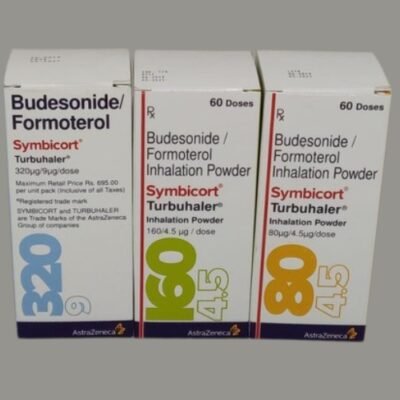
Budesonide tablets contain budesonide, a synthetic corticosteroid with strong anti-inflammatory properties.
Different oral formulations are designed to release the medication in specific parts of the digestive tract, making them useful for treating certain inflammatory bowel diseases.
Depending on the product, Budesonide tablets may be formulated as:
- Extended-release tablets
- Delayed-release tablets
- Controlled-release oral formulations
Different products are not interchangeable, as they are designed to deliver the medication to different areas of the intestine.
Approved Medical Uses
Healthcare providers may prescribe Budesonide tablets for:
- Mild to moderate Crohn’s disease involving the ileum and/or ascending colon
- Mild to moderate ulcerative colitis (certain extended-release formulations)
- Maintenance of remission in selected patients, depending on the product
- Other inflammatory gastrointestinal conditions when clinically appropriate
Treatment recommendations vary depending on the specific Budesonide formulation.
How Do Budesonide Tablets Work?
Budesonide reduces inflammation within the digestive tract.
It helps:
- Decrease immune system activity in inflamed tissues
- Reduce swelling of the intestinal lining
- Relieve abdominal pain
- Improve diarrhea caused by inflammation
- Promote healing of affected intestinal tissue
Its targeted delivery allows higher concentrations of the medication to reach affected areas of the bowel.
How Should Budesonide Tablets Be Taken?
Always take Budesonide tablets exactly as prescribed by your healthcare provider.
General recommendations include:
- Swallow the tablets whole with water.
- Do not crush, chew, or break extended-release or delayed-release tablets.
- Take the medication at the same time each day.
- Follow any food instructions provided with your specific product.
- Continue treatment for the prescribed duration, even if symptoms improve.
- Do not stop treatment suddenly unless instructed by your healthcare provider.
Dosage Information
Dosage depends on:
- The condition being treated
- The specific Budesonide formulation
- Age
- Response to treatment
Typical adult dosing (general guidance)
Crohn’s disease
- Commonly 9 mg once daily for a limited treatment period, followed by dose reduction when appropriate.
Ulcerative colitis
- Certain extended-release formulations are commonly prescribed as 9 mg once daily for the recommended treatment duration.
Important note
Only your healthcare provider should determine the appropriate dose and duration of therapy based on your condition and the specific product prescribed.
Common Side Effects
Many people tolerate Budesonide well, but side effects may occur.
Common side effects include:
- Headache
- Nausea
- Abdominal pain
- Indigestion
- Bloating
- Fatigue
- Acne
- Increased appetite
Although Budesonide generally has fewer systemic effects than some other oral corticosteroids, corticosteroid-related side effects can still occur.
Serious Safety Warnings
Serious side effects are uncommon but may occur.
Potential risks include:
- Increased susceptibility to infections
- Adrenal suppression
- High blood pressure
- Elevated blood sugar
- Osteoporosis with prolonged use
- Cataracts or glaucoma
- Severe allergic reactions
Seek immediate medical attention if you develop severe abdominal pain, significant bleeding, difficulty breathing, or signs of a serious infection.
Important Precautions
Before taking Budesonide tablets, tell your healthcare provider if you have:
- Liver disease
- Tuberculosis
- Diabetes
- Osteoporosis
- High blood pressure
- Glaucoma or cataracts
- Current or recent infections
- Pregnancy or breastfeeding considerations
People taking long-term corticosteroids may require additional medical monitoring.
Drug Interactions
Budesonide may interact with several medications.
Inform your healthcare provider about all:
- Prescription medicines
- Over-the-counter medications
- Vitamins
- Herbal supplements
Particular caution is required with:
- Strong CYP3A4 inhibitors (such as ketoconazole, itraconazole, clarithromycin, and ritonavir)
- Other corticosteroids
- Immunosuppressive medications
- Certain antifungal medicines
- Grapefruit and grapefruit juice, which may increase budesonide levels
Your healthcare provider can determine whether any treatment adjustments are needed.
Monitoring During Treatment
Healthcare providers may monitor:
- Improvement in gastrointestinal symptoms
- Disease activity
- Signs of infection
- Blood pressure
- Blood glucose levels
- Bone health during prolonged treatment
- Eye health if long-term therapy is required
Regular follow-up appointments help ensure that treatment remains safe and effective.
Safe Storage
Store Budesonide tablets according to the manufacturer’s instructions.
General recommendations include:
- Store at room temperature.
- Protect from moisture and excessive heat.
- Keep the medication in its original container.
- Keep out of the reach of children and pets.
- Do not use after the expiration date.
- Dispose of unused medication according to your pharmacist’s recommendations.
Frequently Asked Questions
What are Budesonide tablets used for?
They are primarily used to treat certain inflammatory bowel diseases, including mild to moderate Crohn’s disease and some forms of ulcerative colitis, depending on the formulation.
Are Budesonide tablets the same as prednisone?
No. Both are corticosteroids, but Budesonide is designed to act more locally in the digestive tract and generally results in less systemic exposure than prednisone.
How long does Budesonide take to work?
Many people begin to notice improvement within several days to a few weeks, although response varies depending on the condition being treated.
What are the most common side effects?
Common side effects include headache, nausea, abdominal pain, bloating, indigestion, fatigue, acne, and increased appetite.
Can I stop taking Budesonide suddenly?
If you have been taking Budesonide for an extended period, your healthcare provider may recommend gradually reducing the dose rather than stopping suddenly.
Can I drink grapefruit juice while taking Budesonide?
It is generally recommended to avoid grapefruit and grapefruit juice because they can increase Budesonide levels in the body and raise the risk of side effects.
Is Budesonide safe for long-term use?
Long-term use may be appropriate for some patients, but ongoing medical supervision is important because corticosteroid-related side effects may occur.
Conclusion
Budesonide tablets are effective corticosteroid medications used to treat certain inflammatory bowel diseases, including Crohn’s disease and specific forms of ulcerative colitis. Their targeted release helps reduce inflammation within the digestive tract while generally producing fewer systemic effects than some other oral corticosteroids.
Although Budesonide is often better tolerated than traditional systemic corticosteroids, it still carries important risks, including infections, adrenal suppression, bone loss, and elevated blood sugar with prolonged use. Taking the medication exactly as prescribed, avoiding grapefruit products unless advised otherwise, and attending regular follow-up appointments can help ensure safe and effective treatment.
Budesonide tablets, Budesonide tablet uses, Budesonide dosage, Budesonide side effects, Budesonide oral tablets, corticosteroid tablets, Crohn’s disease treatment, ulcerative colitis medication, inflammatory bowel disease treatment, IBD medication, extended-release Budesonide, delayed-release Budesonide, prescription corticosteroid, digestive inflammation treatment, intestinal inflammation medication, Budesonide safety, oral steroid medication, gastrointestinal medication, Crohn’s medication guide, ulcerative colitis treatment guide, Budesonide FAQs, bowel disease treatment, prescription digestive medication, anti-inflammatory tablets, corticosteroid medication guide.
| Quantity | 30 Pills, 60 Pills, 120 Pills, 180 Pills, 200 Pills, 250 Pills, 300 Pills, 400 Pills, 500 Pills |
|---|
Be the first to review “Budesonide tablets”
Related products
Drugs

Drugs
Drugs
Drugs
Drugs
Drugs

Drugs
Drugs
Reviews
There are no reviews yet.