
Bumetanide: Uses, Dosage, Side Effects, Safety, and Frequently Asked Questions
Bumetanide: Uses, Dosage, Side Effects & Safety Guide
Learn about Bumetanide, including its uses for fluid retention and edema, dosage guidance, side effects, safety precautions, drug interactions, and frequently asked questions.
Bumetanide: Everything You Need to Know
Bumetanide is a prescription loop diuretic, commonly known as a water pill, used to remove excess fluid from the body. It is primarily prescribed to treat edema (fluid retention) associated with conditions such as heart failure, liver disease, and kidney disease. In some cases, it may also be used to help manage high blood pressure (hypertension).
Bumetanide works by helping the kidneys remove excess salt (sodium) and water through urine. This reduces swelling, decreases fluid buildup in the lungs and other tissues, and lessens the workload on the heart.
Because Bumetanide can affect fluid and electrolyte balance, it should be taken exactly as prescribed and with regular medical monitoring.
This guide explains what Bumetanide is, how it works, its approved medical uses, dosage information, possible side effects, important safety precautions, and answers to frequently asked questions.
What Is Bumetanide?
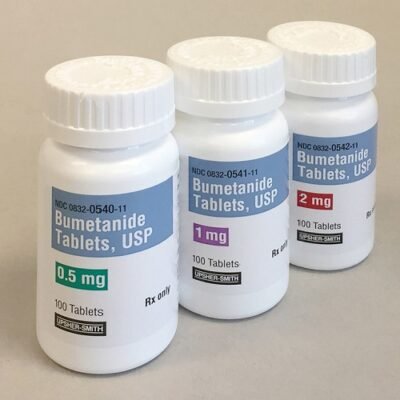
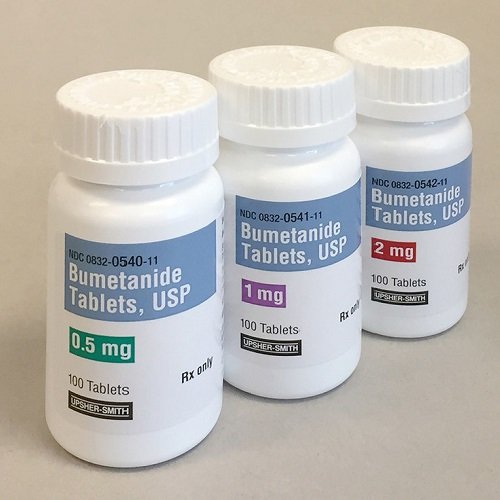
Bumetanide belongs to a class of medications called loop diuretics.
It is available as:
- Oral tablets
- Injectable solution (used in hospitals and certain clinical settings)
The medication is highly effective at increasing urine production and is often prescribed when rapid or significant fluid removal is needed.
Approved Medical Uses
Healthcare providers may prescribe Bumetanide for:
- Edema associated with heart failure
- Fluid retention caused by chronic kidney disease
- Edema related to liver disease, including cirrhosis
- Pulmonary edema (in appropriate clinical settings)
- High blood pressure (in selected patients)
Treatment plans are individualized based on the patient’s condition and response to therapy.
How Does Bumetanide Work?
Bumetanide acts on the loop of Henle, a part of the kidney responsible for reabsorbing sodium and water.
It helps:
- Increase urine production
- Remove excess sodium and water
- Reduce swelling (edema)
- Lower fluid buildup in the lungs
- Decrease blood pressure in some patients
- Reduce the workload on the heart
These effects can improve symptoms such as swelling in the legs, shortness of breath, and abdominal fluid retention.
How Should Bumetanide Be Taken?
Always take Bumetanide exactly as prescribed by your healthcare provider.
General recommendations include:
- Take the tablet with or without food.
- Take it at the same time each day.
- If prescribed once daily, taking it in the morning may help reduce nighttime urination.
- If prescribed more than once daily, follow your healthcare provider’s schedule carefully.
- Do not take more than the prescribed dose.
- Continue taking the medication unless instructed otherwise by your healthcare provider.
Your healthcare provider may also recommend monitoring your body weight to assess changes in fluid status.
Dosage Information
Dosage depends on:
- The condition being treated
- Severity of fluid retention
- Kidney function
- Individual response
Typical adult dosing (general guidance)
- Initial doses often begin at 0.5 mg to 1 mg once daily.
- The dose may be adjusted depending on the patient’s response.
- Some patients require divided doses throughout the day.
Important note
The lowest effective dose is generally used to reduce the risk of dehydration and electrolyte disturbances.
Common Side Effects
Like other loop diuretics, Bumetanide may cause side effects.
Common side effects include:
- Increased urination
- Dizziness
- Headache
- Increased thirst
- Muscle cramps
- Fatigue
- Weakness
- Low blood pressure when standing (orthostatic hypotension)
Many of these effects are related to fluid loss or changes in electrolyte levels.
Serious Safety Warnings
Although uncommon, serious side effects may occur.
Potential risks include:
- Severe dehydration
- Low potassium (hypokalemia)
- Low sodium (hyponatremia)
- Kidney problems
- Hearing problems (rare, usually with high doses or intravenous use)
- Severe allergic reactions
- Cardiac rhythm disturbances related to electrolyte imbalances
Seek immediate medical attention if you experience severe dizziness, confusion, fainting, muscle weakness, irregular heartbeat, difficulty breathing, or signs of a serious allergic reaction.
Important Precautions
Before taking Bumetanide, tell your healthcare provider if you have:
- Kidney disease
- Liver disease
- Diabetes
- Gout
- Low blood pressure
- Electrolyte abnormalities
- Difficulty urinating
- Pregnancy or breastfeeding considerations
Patients with diabetes may notice changes in blood glucose levels while taking loop diuretics.
Drug Interactions
Bumetanide may interact with numerous medications.
Inform your healthcare provider about all:
- Prescription medicines
- Over-the-counter medications
- Vitamins
- Herbal supplements
Particular caution is required with:
- Other diuretics
- Digoxin
- Lithium
- NSAIDs (such as ibuprofen or naproxen)
- Blood pressure medications
- Corticosteroids
- Aminoglycoside antibiotics (which may increase the risk of hearing problems)
These interactions may increase the risk of electrolyte disturbances, kidney injury, or changes in medication effectiveness.
Monitoring During Treatment
Healthcare providers may monitor:
- Body weight
- Blood pressure
- Kidney function
- Blood electrolyte levels (especially potassium and sodium)
- Fluid status
- Symptoms of swelling
- Overall treatment response
Regular blood tests are often recommended during treatment.
Safe Storage
Store Bumetanide according to the product labeling.
General recommendations include:
- Store at room temperature.
- Protect from moisture, heat, and direct sunlight.
- Keep tablets in their original container.
- Keep out of the reach of children and pets.
- Do not use expired medication.
- Dispose of unused medication according to your pharmacist’s recommendations.
Frequently Asked Questions
What is Bumetanide used for?
Bumetanide is used to treat fluid retention (edema) associated with heart failure, kidney disease, liver disease, and certain other conditions. It may also be prescribed for some people with high blood pressure.
Is Bumetanide a water pill?
Yes. Bumetanide is a loop diuretic, often referred to as a water pill because it increases urine production.
How quickly does Bumetanide work?
Oral Bumetanide usually begins working within 30 to 60 minutes, with its effects lasting several hours. The exact onset and duration may vary between individuals.
What are the most common side effects?
Common side effects include increased urination, dizziness, thirst, muscle cramps, headache, fatigue, weakness, and low blood pressure.
Can Bumetanide lower potassium levels?
Yes. Bumetanide can lower potassium and other electrolytes, which is why regular blood tests may be needed during treatment.
Should I drink extra water while taking Bumetanide?
Follow your healthcare provider’s advice regarding fluid intake. Some people need to limit fluids because of their underlying medical condition, while others may need to maintain adequate hydration to avoid dehydration.
Is Bumetanide safe for long-term use?
Yes. Many people take Bumetanide long term under medical supervision, with regular monitoring of kidney function, electrolytes, and fluid balance.
Conclusion
Bumetanide is a potent loop diuretic used to treat fluid retention associated with heart failure, kidney disease, liver disease, and other conditions. By helping the kidneys eliminate excess salt and water, it reduces swelling, improves breathing in people with fluid overload, and decreases the workload on the heart.
Although highly effective, Bumetanide can lead to dehydration and electrolyte imbalances if not carefully monitored. Taking the medication exactly as prescribed, attending regular follow-up appointments, and having routine blood tests can help ensure safe and effective long-term treatment.
Bumetanide, Bumetanide tablets, Bumetanide uses, Bumetanide dosage, Bumetanide side effects, Bumetanide water pill, loop diuretic, edema treatment, fluid retention medication, heart failure treatment, kidney disease edema, liver disease fluid retention, prescription diuretic, swelling treatment, pulmonary edema medication, hypertension medication, Bumetanide safety, electrolyte imbalance, potassium loss, diuretic medication guide, Bumetanide FAQs, prescription water pill, cardiovascular medication, kidney health medication, edema management.
| Quantity | 30 Pills, 60 Pills, 120 Pills, 180 Pills, 200 Pills, 250 Pills, 300 Pills, 400 Pills, 500 Pills |
|---|
Be the first to review “Bumetanide”
Related products
Drugs

Drugs
Drugs
Drugs

Drugs
Drugs
Drugs

Drugs
Reviews
There are no reviews yet.