
Budesonide Nasal Spray: Uses, Dosage, Side Effects, Safety, and Frequently Asked Questions
Budesonide Nasal Spray: Uses, Dosage, Side Effects & Allergy Relief Guide
Learn about Budesonide nasal spray, including its uses for allergic rhinitis and nasal polyps, dosage guidance, side effects, safety precautions, drug interactions, and frequently asked questions.
Budesonide Nasal Spray: Everything You Need to Know
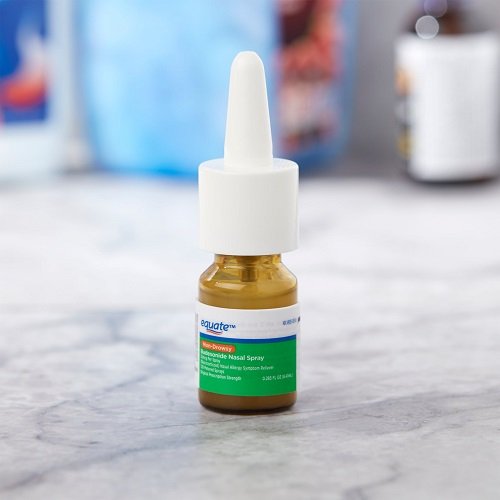
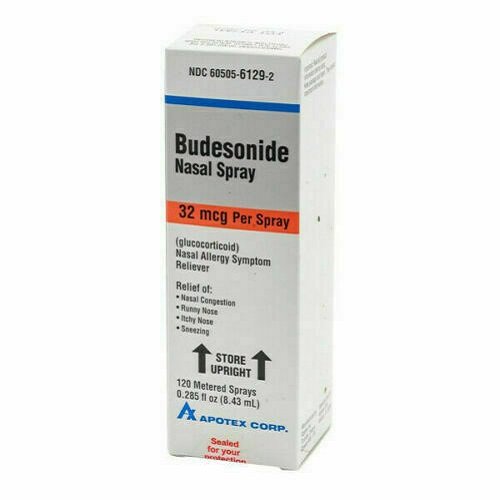
Budesonide nasal spray is a prescription or over-the-counter corticosteroid nasal spray used to treat allergic rhinitis (hay fever) and other inflammatory conditions affecting the nasal passages. By reducing inflammation inside the nose, it helps relieve symptoms such as congestion, sneezing, itching, and a runny nose.
Unlike decongestant nasal sprays, Budesonide nasal spray does not provide immediate relief. Instead, it works gradually to control inflammation and prevent allergy symptoms when used consistently.
This guide explains what Budesonide nasal spray is, how it works, its approved uses, dosage information, possible side effects, important safety precautions, and answers to frequently asked questions.
What Is Budesonide Nasal Spray?
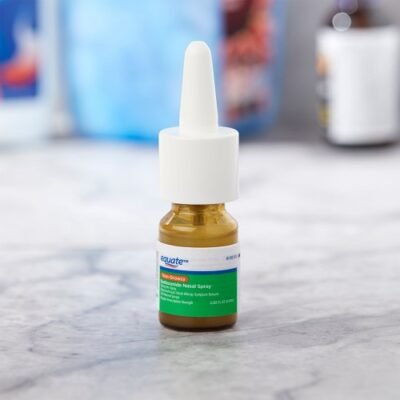
Budesonide nasal spray contains budesonide, a corticosteroid that acts directly on the lining of the nose.
It is commonly prescribed or recommended for people with:
- Seasonal allergic rhinitis (hay fever)
- Perennial allergic rhinitis (year-round allergies)
- Nasal inflammation
- Nasal polyps (in selected patients)
Because the medication acts mainly within the nose, it provides effective symptom control with minimal absorption into the rest of the body.
Approved Medical Uses
Healthcare providers may recommend Budesonide nasal spray for:
- Seasonal allergic rhinitis
- Perennial allergic rhinitis
- Relief of nasal congestion
- Sneezing caused by allergies
- Runny nose
- Nasal itching
- Management of nasal polyps in certain patients
Treatment recommendations may vary depending on the specific product and the patient’s age.
How Does Budesonide Nasal Spray Work?
Budesonide reduces inflammation inside the nasal passages.
It helps:
- Reduce swelling of the nasal lining
- Decrease mucus production
- Relieve nasal congestion
- Reduce sneezing
- Improve nasal airflow
- Control ongoing allergy symptoms
Maximum benefit is achieved with regular daily use.
How Should Budesonide Nasal Spray Be Used?
Always use Budesonide nasal spray exactly as directed by your healthcare provider or according to the product label.
General recommendations include:
- Gently blow your nose before use.
- Shake the bottle if instructed by the manufacturer.
- Prime the spray before first use or after prolonged non-use, following the product instructions.
- Keep your head upright while spraying.
- Aim the nozzle slightly away from the nasal septum (the cartilage dividing the nostrils).
- Avoid sniffing too forcefully immediately after spraying.
- Clean the nozzle regularly according to the manufacturer’s instructions.
Use the spray consistently every day for the best results.
Dosage Information
Dosage depends on:
- Age
- Medical condition
- Severity of symptoms
- Specific product formulation
Typical adult dosing (general guidance)
- One or two sprays into each nostril once daily, or as directed by a healthcare provider.
- Once symptoms are well controlled, the lowest effective maintenance dose is usually recommended.
Pediatric dosing
Children may require lower doses depending on age and the specific product. Always follow the dosing instructions provided by the healthcare provider or product labeling.
Important note
Do not exceed the recommended number of sprays unless advised by your healthcare provider.
Common Side Effects
Most people tolerate Budesonide nasal spray well.
Common side effects include:
- Nasal irritation
- Dry nose
- Nosebleeds
- Sneezing after application
- Sore throat
- Headache
- Mild unpleasant taste or smell
These side effects are generally mild and temporary.
Serious Safety Warnings
Serious side effects are uncommon but may occur.
Potential risks include:
- Severe allergic reactions
- Persistent or heavy nosebleeds
- Nasal ulceration
- Nasal septum perforation (rare)
- Eye problems such as glaucoma or cataracts with prolonged use
- Delayed wound healing after nasal surgery or injury
Seek immediate medical attention if you develop severe swelling, difficulty breathing, significant bleeding, or vision changes.
Important Precautions
Before using Budesonide nasal spray, tell your healthcare provider if you have:
- Recent nasal surgery
- Nasal injury
- Frequent nosebleeds
- Tuberculosis
- Untreated fungal, viral, or bacterial infections
- Glaucoma or cataracts
- Pregnancy or breastfeeding considerations
People with weakened immune systems may require additional monitoring.
Drug Interactions
Budesonide may interact with certain medications.
Inform your healthcare provider about all:
- Prescription medicines
- Over-the-counter medications
- Vitamins
- Herbal supplements
Particular caution is required with:
- Strong CYP3A4 inhibitors (such as ketoconazole, itraconazole, clarithromycin, and ritonavir)
- Other corticosteroid medications
- Certain antifungal medicines
- Immunosuppressive medications
These medications may increase the risk of corticosteroid-related side effects.
Monitoring During Treatment
Healthcare providers may monitor:
- Improvement in allergy symptoms
- Frequency of nosebleeds
- Nasal health
- Eye health during prolonged therapy
- Growth in children receiving long-term treatment
- Overall treatment response
Regular follow-up appointments help ensure that treatment remains effective and safe.
Safe Storage
Store Budesonide nasal spray according to the manufacturer’s instructions.
General recommendations include:
- Store at room temperature.
- Protect from excessive heat and direct sunlight.
- Keep the bottle tightly closed.
- Keep out of the reach of children.
- Do not freeze the spray.
- Discard the bottle after the labeled number of sprays or by the expiration date.
Frequently Asked Questions
What is Budesonide nasal spray used for?
It is used to treat allergic rhinitis, including symptoms such as nasal congestion, sneezing, runny nose, and itching. It may also be used in certain patients with nasal polyps.
Is Budesonide nasal spray a decongestant?
No. It is a corticosteroid that reduces inflammation. Unlike decongestant sprays, it works gradually and is intended for regular use.
How long does Budesonide nasal spray take to work?
Some people notice improvement within 10–24 hours, but full symptom relief may take several days to up to two weeks of regular use.
Can I use Budesonide nasal spray every day?
Yes. It is designed for daily use as directed by your healthcare provider or according to the product labeling.
What are the most common side effects?
Common side effects include nasal irritation, dryness, nosebleeds, sore throat, sneezing after application, headache, and an unpleasant taste or smell.
Can children use Budesonide nasal spray?
Yes. Certain Budesonide nasal spray products are approved for children, but dosing depends on age and the specific product. Growth may be monitored during prolonged treatment.
Can I stop using Budesonide nasal spray when my allergies improve?
Continue using it as directed. Your healthcare provider may recommend reducing to the lowest effective dose once symptoms are well controlled, but treatment should not be changed without medical advice.
Conclusion
Budesonide nasal spray is an effective corticosteroid treatment for allergic rhinitis and certain other inflammatory nasal conditions. By reducing inflammation within the nasal passages, it helps relieve congestion, sneezing, itching, and a runny nose while improving overall nasal airflow.
Because it works gradually rather than immediately, consistent daily use is important for achieving the best results. Following proper spray technique, attending regular follow-up appointments when needed, and using the lowest effective dose can help maximize benefits while minimizing side effects.
Budesonideasal spray, Budesonide nasal spray uses, Budesonide dosage, Budesonide side effects, allergy nasal spray, corticosteroid nasal spray, hay fever treatment, allergic rhinitis treatment, nasal congestion relief, runny nose treatment, sneezing treatment, nasal inflammation medication, Budesonide allergy spray, nasal polyps treatment, prescription nasal spray, over-the-counter allergy spray, Budesonide safety, nasal steroid spray, allergy medication guide, Budesonide FAQs, chronic allergy treatment, seasonal allergy relief, perennial allergic rhinitis, nasal spray for allergies, respiratory allergy medication.
Be the first to review “Budesonide nasal spray”
Related products

Drugs

Drugs
Drugs

Drugs
Drugs
Drugs
Drugs
Drugs
Reviews
There are no reviews yet.