

Budesonide Inhalers: Uses, Dosage, Side Effects, Safety, and Frequently Asked Questions
Budesonide Inhalers: Uses, Dosage, Side Effects & Asthma Treatment Guide
Learn about Budesonide inhalers, including their uses for asthma and certain chronic respiratory conditions, dosage guidance, side effects, safety precautions, drug interactions, and frequently asked questions.
Budesonide Inhalers: Everything You Need to Know
Budesonide inhalers are prescription medications containing budesonide, an inhaled corticosteroid (ICS) used to reduce inflammation in the airways. They are commonly prescribed for the long-term management of asthma and, in some cases, as part of combination therapy for chronic obstructive pulmonary disease (COPD).
Unlike rescue inhalers, Budesonide inhalers are controller medications designed to prevent symptoms and reduce the frequency of asthma attacks. They work best when used consistently every day, even when you feel well.
By reducing inflammation in the lungs, Budesonide helps improve breathing, decrease airway swelling, and lower the risk of severe asthma exacerbations.
This guide explains what Budesonide inhalers are, how they work, their approved uses, dosage guidance, possible side effects, important safety precautions, and answers to frequently asked questions.
What Are Budesonide Inhalers?
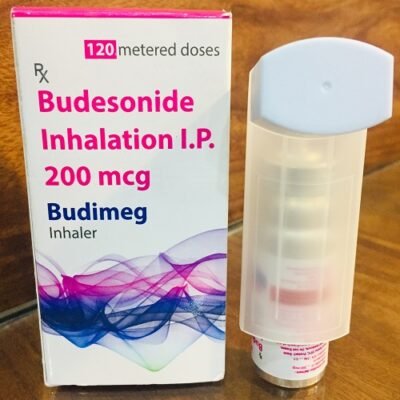
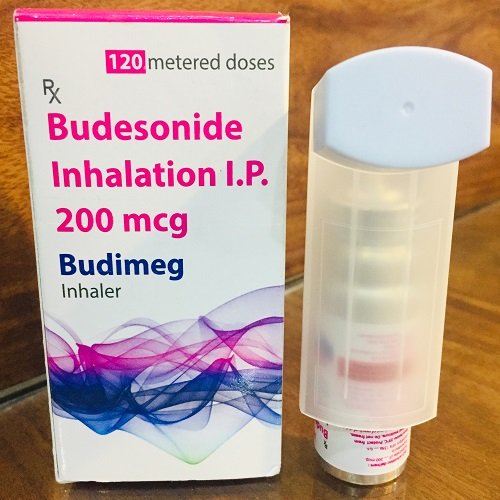
Budesonide inhalers deliver medication directly into the lungs using an inhalation device.
They are available in different inhaler types, including:
- Dry powder inhalers (DPI)
- Metered-dose inhalers (MDI) in some regions
- Combination inhalers containing budesonide with a long-acting bronchodilator
Your healthcare provider will prescribe the most appropriate inhaler based on your age, condition, and treatment plan.
Approved Medical Uses
Healthcare providers may prescribe Budesonide inhalers for:
- Long-term maintenance treatment of asthma
- Prevention of asthma symptoms
- Reduction of asthma flare-ups
- Certain patients with COPD as part of combination therapy
- Maintenance treatment for persistent asthma in adults and children (age recommendations vary by product)
Budesonide inhalers are not intended for the immediate relief of sudden asthma attacks.
How Do Budesonide Inhalers Work?
Budesonide is an inhaled corticosteroid that reduces inflammation inside the airways.
It helps:
- Reduce swelling of the airways
- Decrease mucus production
- Improve airflow
- Reduce wheezing
- Prevent asthma attacks
- Improve long-term lung function
Because the medication is inhaled directly into the lungs, it acts mainly where it is needed while reducing overall exposure compared with oral corticosteroids.
How Should Budesonide Inhalers Be Used?
Always use your Budesonide inhaler exactly as prescribed by your healthcare provider.
General recommendations include:
- Use the inhaler every day, even if you feel well.
- Follow the instructions for your specific inhaler device.
- Inhale the medication slowly or forcefully as appropriate for the device type.
- Hold your breath for several seconds after inhaling if possible.
- Rinse your mouth with water and spit it out after every dose to help reduce the risk of oral thrush (a fungal infection in the mouth).
- Keep your inhaler clean according to the manufacturer’s instructions.
- Monitor the dose counter if your inhaler has one.
If you are also prescribed a rescue inhaler, keep it available for sudden breathing difficulties.
Dosage Information
Dosage depends on:
- Age
- Severity of asthma
- Type of inhaler
- Previous asthma treatment
- Individual response
Typical adult dosing (general guidance)
- Low, medium, or high daily doses may be prescribed depending on asthma severity.
- Budesonide is often taken once or twice daily, depending on the formulation and treatment plan.
Pediatric dosing
Children may require lower doses based on age and asthma severity. Dosing should always follow the prescribing healthcare provider’s recommendations.
Important note
Do not increase or decrease your dose without consulting your healthcare provider, even if your symptoms improve.
Common Side Effects
Most people tolerate Budesonide inhalers well.
Common side effects include:
- Hoarseness
- Sore throat
- Cough
- Oral thrush (mouth yeast infection)
- Dry mouth
- Mild throat irritation
- Headache
Rinsing your mouth after each use significantly reduces the risk of oral thrush.
Serious Safety Warnings
Although uncommon, serious side effects may occur.
Potential risks include:
- Severe allergic reactions
- Paradoxical bronchospasm (worsening breathing immediately after inhalation)
- Eye problems such as cataracts or glaucoma with prolonged use
- Reduced bone mineral density with long-term high-dose therapy
- Slowed growth in children (usually small and monitored carefully)
- Increased risk of certain infections
Seek immediate medical attention if your breathing suddenly worsens after using the inhaler or if you experience signs of a serious allergic reaction.
Important Precautions
Before using a Budesonide inhaler, tell your healthcare provider if you have:
- Tuberculosis
- Untreated fungal, viral, or bacterial infections
- Glaucoma or cataracts
- Osteoporosis
- Liver disease
- Pregnancy or breastfeeding considerations
- A weakened immune system
Regular follow-up appointments help ensure that the medication remains safe and effective.
Drug Interactions
Budesonide may interact with certain medications.
Inform your healthcare provider about all:
- Prescription medications
- Over-the-counter medicines
- Vitamins
- Herbal supplements
Particular caution is required with:
- Strong CYP3A4 inhibitors (such as ketoconazole, itraconazole, clarithromycin, and ritonavir), which can increase budesonide levels
- Other corticosteroids
- Immunosuppressive medications
- Certain antifungal medications
Your healthcare provider can determine whether any dose adjustments or additional monitoring are necessary.
Monitoring During Treatment
Healthcare providers may monitor:
- Asthma symptom control
- Frequency of rescue inhaler use
- Lung function tests
- Growth in children receiving long-term therapy
- Signs of oral thrush
- Eye health during prolonged treatment
- Overall treatment response
Regular asthma reviews help optimize treatment and reduce the risk of exacerbations.
Safe Storage
Store Budesonide inhalers according to the manufacturer’s instructions.
General recommendations include:
- Store at room temperature.
- Protect from excessive heat, moisture, and direct sunlight.
- Keep the inhaler dry.
- Replace the cap after each use.
- Keep out of the reach of children.
- Do not use the inhaler after the expiration date or after the recommended number of doses has been used.
Frequently Asked Questions
What are Budesonide inhalers used for?
They are used for the long-term control of asthma and, in some cases, as part of combination therapy for COPD.
Is a Budesonide inhaler a rescue inhaler?
No. Budesonide is a controller medication and should not be used to treat sudden asthma attacks. A quick-relief (rescue) inhaler should be used for acute symptoms.
How long does it take for Budesonide inhalers to work?
Some improvement may occur within a few days, but maximum benefit often develops over several weeks of regular use.
Why should I rinse my mouth after using a Budesonide inhaler?
Rinsing and spitting out the water helps reduce the risk of developing oral thrush and hoarseness.
What are the most common side effects?
Common side effects include hoarseness, sore throat, cough, oral thrush, dry mouth, and headache.
Can children use Budesonide inhalers?
Yes. Certain Budesonide inhalers are approved for children, but the dose depends on the child’s age and medical condition. Growth may be monitored during long-term treatment.
Can I stop using my Budesonide inhaler once I feel better?
No. Continue using the inhaler exactly as prescribed. Stopping treatment without medical advice may increase the risk of asthma worsening or flare-ups.
Conclusion
Budesonide inhalers are effective inhaled corticosteroids that help prevent asthma symptoms by reducing inflammation in the airways. They play a central role in long-term asthma management and may also be used in selected patients with COPD as part of combination therapy.
Because Budesonide is a controller medication rather than a rescue treatment, it should be used consistently as prescribed, even when symptoms are well controlled. Rinsing your mouth after each use, attending regular follow-up appointments, and using proper inhaler technique can help maximize benefits while minimizing side effects.
Budesonide inhalers, Budesonide inhaler, Budesonide uses, Budesonide dosage, Budesonide side effects, inhaled corticosteroid, asthma inhaler, asthma controller medication, Budesonide asthma treatment, COPD inhaler, inhaled steroid medication, prescription asthma inhaler, asthma prevention medication, lung inflammation treatment, airway inflammation medication, Budesonide dry powder inhaler, asthma maintenance therapy, respiratory medication, inhaler safety, Budesonide FAQs, asthma management, inhaler guide, corticosteroid inhaler, chronic asthma treatment, breathing medication.
Be the first to review “Budesonide inhalers”
Related products
Drugs
Drugs
Drugs
Drugs
Drugs
Drugs

Drugs
Drugs
Reviews
There are no reviews yet.