
Brinzolamide: Uses, Dosage, Side Effects, Safety, and Frequently Asked Questions
Brinzolamide: Uses, Dosage, Side Effects & Eye Pressure Treatment Guide
Learn about Brinzolamide, including its medical uses for glaucoma and ocular hypertension, dosage guidance, side effects, safety precautions, drug interactions, and frequently asked questions.
Brinzolamide: Everything You Need to Know
Brinzolamide is a prescription carbonic anhydrase inhibitor used to lower intraocular pressure (IOP) in people with open-angle glaucoma or ocular hypertension. It is available as an ophthalmic (eye drop) suspension and may be prescribed alone or in combination with other glaucoma medications.
By reducing the production of fluid (aqueous humor) inside the eye, Brinzolamide helps lower eye pressure, reducing the risk of optic nerve damage and vision loss associated with glaucoma.
Because glaucoma often has no early symptoms, using Brinzolamide consistently as prescribed is important to help protect long-term vision.
This guide explains what Brinzolamide is, how it works, its approved medical uses, dosage information, possible side effects, important safety precautions, and answers to frequently asked questions.
What Is Brinzolamide?
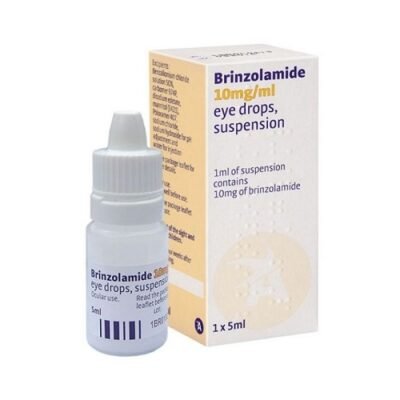
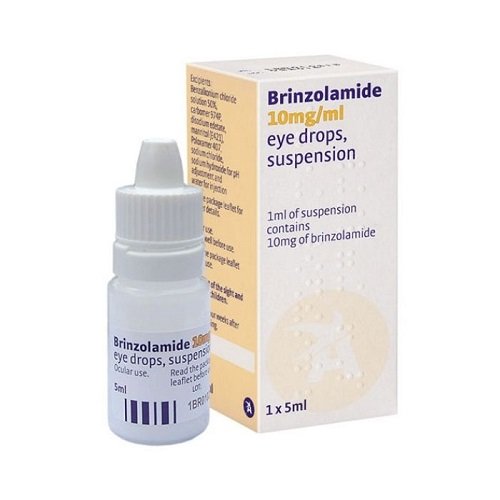
Brinzolamide is a carbonic anhydrase inhibitor formulated as sterile eye drops.
It is commonly prescribed to:
- Lower elevated intraocular pressure
- Treat open-angle glaucoma
- Treat ocular hypertension
Brinzolamide works locally in the eye and has minimal effects on the rest of the body when used correctly.
Approved Medical Uses
Healthcare providers may prescribe Brinzolamide for:
- Open-angle glaucoma
- Ocular hypertension (high pressure inside the eye)
It may be used:
- Alone (monotherapy)
- In combination with other glaucoma eye drops such as beta-blockers or prostaglandin analogs when additional pressure reduction is needed
How Does Brinzolamide Work?
Brinzolamide blocks the enzyme carbonic anhydrase in the eye.
This helps:
- Reduce the production of aqueous humor (fluid inside the eye)
- Lower intraocular pressure
- Protect the optic nerve from pressure-related damage
- Reduce the risk of progressive vision loss
Lowering eye pressure is the primary goal of glaucoma treatment.
How Should Brinzolamide Be Used?
Brinzolamide should always be used exactly as prescribed by your healthcare provider.
General recommendations include:
- Wash your hands before applying the eye drops.
- Shake the bottle well before each use if instructed on the product label.
- Tilt your head back and place the prescribed number of drops into the affected eye(s).
- Avoid touching the dropper tip to the eye, eyelids, fingers, or other surfaces.
- Close your eyes gently for 1–2 minutes after application.
- If using more than one eye medication, wait at least 5–10 minutes between products unless instructed otherwise.
- Remove contact lenses before using the drops and reinsert them after the recommended waiting period according to the product instructions.
Dosage Information
Dosage depends on the condition being treated and whether Brinzolamide is used alone or with other medications.
Typical adult dosing
- Usually 1 drop in the affected eye(s) twice daily
- In some cases, your healthcare provider may recommend 1 drop three times daily
Important note
Use Brinzolamide exactly as prescribed. Using extra doses will not improve effectiveness and may increase the risk of side effects.
Common Side Effects
Most side effects are mild and temporary.
Common side effects include:
- Blurred vision immediately after application
- Bitter or unusual taste in the mouth
- Eye irritation
- Eye discomfort
- Dry eyes
- Feeling that something is in the eye
- Temporary burning or stinging
These effects often improve as treatment continues.
Serious Safety Warnings
Although uncommon, serious side effects may occur.
Potential risks include:
- Severe allergic reactions
- Persistent eye pain
- Significant vision changes
- Eye swelling
- Severe skin reactions (rare)
- Corneal problems in susceptible individuals
Seek immediate medical attention if you experience sudden vision loss, severe eye pain, facial swelling, or signs of a serious allergic reaction.
Important Precautions
Before using Brinzolamide, tell your healthcare provider if you have:
- Severe kidney disease
- Sulfonamide (sulfa) allergy
- Corneal disease
- Dry eye syndrome
- Recent eye surgery
- Pregnancy or breastfeeding considerations
Because Brinzolamide is chemically related to sulfonamides, people with a history of severe sulfa allergy should discuss this with their healthcare provider before use.
Drug Interactions
Brinzolamide may interact with certain medications.
Inform your healthcare provider about all:
- Prescription medicines
- Over-the-counter medications
- Eye drops
- Vitamins
- Herbal supplements
Particular caution is required with:
- Oral carbonic anhydrase inhibitors (such as acetazolamide)
- Other glaucoma medications
- High-dose salicylates
- Certain kidney-related medications
Using multiple carbonic anhydrase inhibitors together may increase the risk of side effects.
Monitoring During Treatment
Healthcare providers may monitor:
- Intraocular pressure
- Vision changes
- Optic nerve health
- Corneal health
- Treatment effectiveness
- Side effects
Regular eye examinations are essential for people receiving long-term glaucoma treatment.
Safe Storage
Store Brinzolamide according to the product labeling.
General recommendations include:
- Store at room temperature.
- Protect from excessive heat and direct sunlight.
- Keep the bottle tightly closed.
- Do not allow the dropper tip to become contaminated.
- Keep out of the reach of children.
- Discard the bottle according to the manufacturer’s instructions after opening if required.
Frequently Asked Questions
What is Brinzolamide used for?
Brinzolamide is used to lower high pressure inside the eye in people with open-angle glaucoma or ocular hypertension.
How does Brinzolamide lower eye pressure?
It reduces the amount of fluid produced inside the eye, which lowers intraocular pressure.
Can Brinzolamide cure glaucoma?
No. Glaucoma cannot currently be cured, but Brinzolamide helps control eye pressure and reduce the risk of vision loss.
What are the most common side effects?
Common side effects include blurred vision after application, eye irritation, dry eyes, and a bitter taste in the mouth.
Can I wear contact lenses while using Brinzolamide?
Yes, but contact lenses should generally be removed before applying the drops and reinserted after the recommended waiting period according to the product instructions.
Can Brinzolamide be used with other glaucoma eye drops?
Yes. It is often used together with other glaucoma medications when additional pressure reduction is needed.
Is Brinzolamide safe for long-term use?
Yes. It is commonly prescribed for long-term use under the supervision of an eye care professional with regular monitoring.
Conclusion
Brinzolamide is an effective carbonic anhydrase inhibitor used to lower intraocular pressure in people with open-angle glaucoma and ocular hypertension. By reducing fluid production inside the eye, it helps protect the optic nerve and lowers the risk of progressive vision loss.
Although generally well tolerated, Brinzolamide should be used consistently and exactly as prescribed. Regular eye examinations, proper application techniques, and ongoing monitoring are essential to ensure safe and effective long-term glaucoma management.
Brinzolamide, Brinzolamide eye drops, Brinzolamide uses, Brinzolamide dosage, Brinzolamide side effects, glaucoma eye drops, ocular hypertension treatment, carbonic anhydrase inhibitor, eye pressure medication, intraocular pressure treatment, Brinzolamide ophthalmic suspension, glaucoma medication, prescription eye drops, optic nerve protection, glaucoma management, Brinzolamide safety, eye pressure lowering medication, ophthalmic medication, vision loss prevention, Brinzolamide FAQs, eye health medication, glaucoma treatment guide, prescription glaucoma medication, ocular hypertension medication, eye care treatment.
Be the first to review “Brinzolamide”
Related products
Drugs
Drugs
Drugs
Drugs
Drugs
Drugs
Drugs
Reviews
There are no reviews yet.