
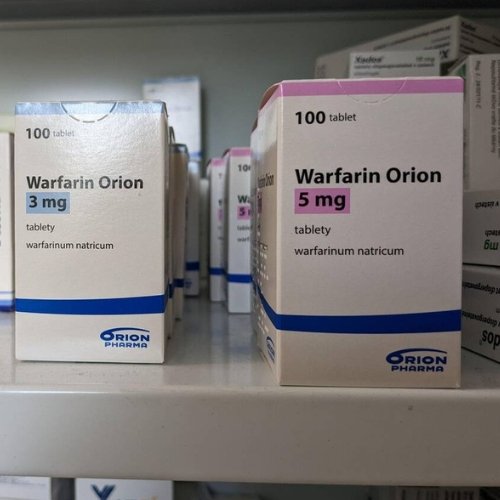


Warfarin 2 mg: Uses, Dosage, Side Effects, Safety, and Frequently Asked Questions
What Is Warfarin 2 mg?
Warfarin 2 mg is a prescription anticoagulant (blood thinner) used to help prevent and treat blood clots. It works by reducing the blood’s ability to clot, lowering the risk of serious conditions such as stroke, deep vein thrombosis (DVT), and pulmonary embolism (PE).
Warfarin is available in several tablet strengths, including:
- 1 mg
- 2 mg
- 2.5 mg
- 3 mg
- 4 mg
- 5 mg
- 6 mg
- 7.5 mg
- 10 mg
The 2 mg tablet may be used alone or combined with other tablet strengths to achieve the exact dose prescribed by a healthcare provider.
How Warfarin Works
Warfarin blocks the action of vitamin K, which the body needs to produce several clotting factors.
By reducing the production of these clotting factors, warfarin:
- Slows blood clot formation.
- Helps prevent new blood clots.
- Reduces the risk of existing clots becoming larger.
- Lowers the risk of stroke in certain heart conditions, such as atrial fibrillation.
Because its effect can vary between individuals, regular blood tests called the International Normalized Ratio (INR) are needed to ensure the dose is safe and effective.
Warfarin 2 mg Uses
Prevention and Treatment of Blood Clots
Warfarin may be prescribed to:
- Treat deep vein thrombosis (DVT).
- Treat pulmonary embolism (PE).
- Prevent recurrent blood clots.
Atrial Fibrillation
People with atrial fibrillation (AF) may take warfarin to reduce the risk of stroke caused by blood clots.
Mechanical Heart Valves
Warfarin is commonly used to prevent blood clots in people with mechanical heart valves, where long-term anticoagulation is often required.
Benefits of Warfarin 2 mg
When taken as prescribed and monitored with regular INR testing, warfarin may help:
- Prevent dangerous blood clots.
- Lower the risk of stroke.
- Reduce the chance of recurrent DVT or PE.
- Protect people with mechanical heart valves from clot-related complications.
Warfarin 2 mg Dosage
Warfarin dosing is highly individualized.
The correct dose depends on:
- Your INR blood test results.
- The condition being treated.
- Age.
- Diet, especially vitamin K intake.
- Liver function.
- Other medications.
General guidance:
- Take exactly as prescribed.
- Take the medicine at the same time each day.
- Never adjust your dose unless instructed by your healthcare provider.
- Attend all scheduled INR monitoring appointments.
How to Take Warfarin
For best results:
- Swallow the tablet with water.
- Take it at the same time every day.
- It may be taken with or without food.
- Keep your intake of vitamin K-rich foods relatively consistent rather than avoiding them completely.
- Inform all healthcare providers and dentists that you are taking warfarin.
Missed Dose
If you miss a dose:
- Take it as soon as you remember on the same day.
- If you do not remember until the next day, skip the missed dose.
- Do not take two doses at the same time.
- Contact your healthcare provider if you are unsure what to do.
Common Side Effects
Common side effects may include:
- Easy bruising.
- Minor bleeding, such as nosebleeds or bleeding gums.
- Longer bleeding time after cuts.
Serious Side Effects
Seek immediate medical attention if you experience:
- Severe or uncontrollable bleeding.
- Vomiting blood or material that looks like coffee grounds.
- Black, tarry stools.
- Blood in the urine.
- Severe headache or sudden weakness.
- Coughing up blood.
- Unusual or extensive bruising.
- Signs of an allergic reaction.
These symptoms may indicate serious bleeding and require urgent evaluation.
Safety Information
Before taking Warfarin, tell your healthcare provider if you have:
- A history of bleeding disorders.
- Liver disease.
- Kidney disease.
- High blood pressure.
- Stomach ulcers.
- Recent surgery or planned surgery.
- Pregnancy or plans to become pregnant.
Warfarin is generally not recommended during pregnancy, except in certain specialized situations, because it can harm an unborn baby.
Drug Interactions
Warfarin interacts with many medications, including:
- Aspirin.
- Ibuprofen and other NSAIDs.
- Certain antibiotics.
- Antifungal medications.
- Some antidepressants.
- Amiodarone.
- Many herbal products, including St. John’s wort and ginkgo.
These interactions can increase or decrease warfarin’s effect, so always consult your healthcare provider before starting or stopping any medicine or supplement.
Food and Alcohol Interactions
Certain foods high in vitamin K may affect how warfarin works, including:
- Spinach.
- Kale.
- Broccoli.
- Brussels sprouts.
You do not need to avoid these foods completely, but it is important to eat a consistent amount from week to week.
Alcohol may increase the risk of bleeding and should be limited or avoided unless your healthcare provider advises otherwise.
Pregnancy and Breastfeeding
Pregnancy:
Warfarin is generally avoided during pregnancy because it can cause serious harm to the developing baby.
Breastfeeding:
Warfarin is generally considered compatible with breastfeeding in most cases, but you should discuss your individual situation with your healthcare provider.
Storage
Store Warfarin tablets:
- At room temperature.
- Away from moisture and heat.
- In the original container.
- Out of reach of children and pets.
Frequently Asked Questions (FAQs)
What is Warfarin 2 mg used for?
Warfarin 2 mg is used to prevent and treat blood clots and to reduce the risk of stroke in people with certain heart conditions, such as atrial fibrillation.
Is Warfarin a blood thinner?
Yes. Warfarin is an anticoagulant, commonly called a blood thinner, although it does not actually make the blood thinner—it reduces the blood’s ability to clot.
Why do I need INR blood tests?
INR testing helps ensure your warfarin dose is working safely by measuring how long it takes your blood to clot.
Can I eat green vegetables while taking Warfarin?
Yes. You can eat green vegetables, but it is important to keep your vitamin K intake consistent rather than making sudden changes.
Can Warfarin cause bleeding?
Yes. Bleeding is the most important potential side effect, which is why regular monitoring is essential.
Can I take painkillers with Warfarin?
Some painkillers, particularly NSAIDs like ibuprofen and naproxen, may increase the risk of bleeding. Consult your healthcare provider before taking any new pain medication.
Can older adults take Warfarin?
Yes. Warfarin is commonly prescribed for older adults, but they often require careful dose adjustments and regular INR monitoring.
What happens if I take too much Warfarin?
Too much warfarin can cause serious or life-threatening bleeding. Seek emergency medical attention immediately if an overdose is suspected or if you develop signs of severe bleeding.
Final Thoughts
Warfarin 2 mg is an effective anticoagulant used to prevent and treat blood clots and reduce the risk of stroke in people with certain cardiovascular conditions. Safe use depends on taking the medication exactly as prescribed, attending regular INR blood tests, and maintaining consistent dietary habits.
Always inform healthcare professionals that you are taking warfarin, and seek immediate medical attention if you experience unusual or severe bleeding.
Medical Disclaimer: This article is for educational and informational purposes only and does not replace professional medical advice, diagnosis, or treatment. Always consult a qualified healthcare professional before starting, stopping, or changing any medication.
| Quantity | 30 Pills, 60 Pills, 120 Pills, 180 Pills, 200 Pills, 250 Pills, 300 Pills, 400 Pills, 500 Pills |
|---|
Be the first to review “Warfarin 2mg”
Related products
Drugs
Drugs
Drugs
Drugs
Drugs
Drugs

Drugs
Drugs
Reviews
There are no reviews yet.