

Vyvanse 30 mg (Lisdexamfetamine): Uses, Dosage, Side Effects, Safety, and Frequently Asked Questions
What Is Vyvanse 30 mg?
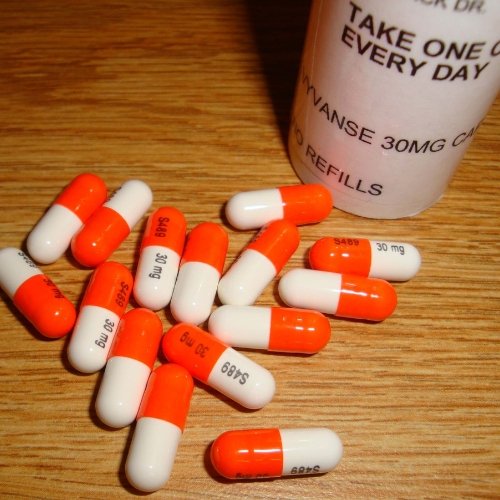
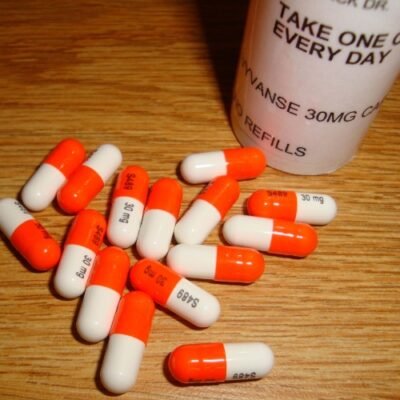
Vyvanse 30 mg is a prescription central nervous system (CNS) stimulant that contains the active ingredient lisdexamfetamine dimesylate. It is approved to treat attention-deficit/hyperactivity disorder (ADHD) in children, adolescents, and adults, and moderate to severe binge eating disorder (BED) in adults.
Lisdexamfetamine is a prodrug, meaning it is converted by the body into its active form, dextroamphetamine, after it is absorbed. This gradual conversion helps provide a longer duration of action.
Vyvanse is available in several strengths, including:
- 10 mg
- 20 mg
- 30 mg
- 40 mg
- 50 mg
- 60 mg
- 70 mg
How Vyvanse Works
Vyvanse increases the activity of the brain chemicals dopamine and norepinephrine, which play important roles in:
- Attention.
- Focus.
- Impulse control.
- Executive functioning.
- Alertness.
By improving the balance of these neurotransmitters, Vyvanse can help reduce symptoms of ADHD and decrease binge eating episodes in adults with BED.
Vyvanse 30 mg Uses
Attention-Deficit/Hyperactivity Disorder (ADHD)
Vyvanse is prescribed to help manage symptoms such as:
- Difficulty paying attention.
- Hyperactivity.
- Impulsivity.
- Trouble staying organized.
- Difficulty completing tasks.
Treatment usually includes behavioral and educational support alongside medication.
Moderate to Severe Binge Eating Disorder (Adults)
Vyvanse is also approved to help reduce the number of binge eating episodes in adults. It is not approved as a weight-loss medication.
Benefits of Vyvanse 30 mg
When taken as prescribed, Vyvanse may help:
- Improve focus and concentration.
- Increase attention span.
- Reduce impulsive behavior.
- Improve task completion.
- Reduce binge eating episodes in adults with BED.
- Enhance daily functioning at school, work, or home.
Vyvanse 30 mg Dosage
The correct dose depends on:
- The condition being treated.
- Age.
- Individual response.
- Other medical conditions.
- Other medications being taken.
General guidance:
- Take exactly as prescribed.
- Your healthcare provider may adjust your dose gradually.
- Do not take more than prescribed or use it more often than directed.
Because Vyvanse is a Schedule II controlled medication in many countries, it has a potential for misuse and dependence.
How to Take Vyvanse
For best results:
- Take it once daily in the morning.
- It may be taken with or without food.
- Swallow the capsule whole, or if instructed by your healthcare provider, the contents may be mixed with water, yogurt, or orange juice and consumed immediately.
- Avoid taking it late in the day, as it may cause difficulty sleeping.
Missed Dose
If you miss a dose:
- Take it as soon as you remember in the morning.
- If it is later in the day, skip the missed dose.
- Do not take an extra dose or double the dose to make up for a missed one.
Common Side Effects
Common side effects may include:
- Decreased appetite.
- Dry mouth.
- Difficulty sleeping (insomnia).
- Weight loss.
- Anxiety.
- Irritability.
- Increased heart rate.
- Nausea.
- Headache.
Many side effects lessen as your body adjusts to treatment.
Serious Side Effects
Seek immediate medical attention if you experience:
- Chest pain.
- Shortness of breath.
- Fainting.
- Fast or irregular heartbeat.
- Severe mood or behavior changes.
- Hallucinations.
- New or worsening aggression.
- Seizures.
- Symptoms of an allergic reaction, including swelling of the face, lips, tongue, or throat.
Safety Information
Before taking Vyvanse, tell your healthcare provider if you have:
- Heart disease.
- High blood pressure.
- A history of stroke.
- Glaucoma.
- Hyperthyroidism.
- Anxiety disorders.
- Bipolar disorder.
- A history of psychosis.
- Seizure disorders.
- Kidney disease.
- A history of substance misuse.
- Pregnancy or plans to become pregnant.
- Breastfeeding.
Your healthcare provider may monitor:
- Blood pressure.
- Heart rate.
- Growth in children.
- Weight.
- Mental health symptoms.
Drug Interactions
Vyvanse may interact with:
- Monoamine oxidase inhibitors (MAOIs).
- Certain antidepressants.
- Other stimulant medications.
- Some blood pressure medicines.
- Medicines that affect urine acidity.
- Certain decongestants.
Always inform your healthcare provider about all prescription medicines, over-the-counter products, vitamins, and herbal supplements you take.
Alcohol and Vyvanse
Alcohol is generally not recommended while taking Vyvanse because it may:
- Increase the risk of side effects.
- Mask the effects of alcohol, leading to excessive drinking.
- Increase strain on the heart and nervous system.
Pregnancy and Breastfeeding
If you are pregnant, planning pregnancy, or breastfeeding:
- Tell your healthcare provider before taking Vyvanse.
- Your healthcare provider will assess the benefits and potential risks before continuing treatment.
- Lisdexamfetamine passes into breast milk and may not be appropriate during breastfeeding.
Storage
Store Vyvanse capsules:
- At room temperature.
- Away from moisture and heat.
- In a secure location to prevent accidental use or misuse.
- Out of reach of children and pets.
Frequently Asked Questions (FAQs)
What is Vyvanse 30 mg used for?
Vyvanse 30 mg is used to treat ADHD in children and adults and moderate to severe binge eating disorder in adults.
Is Vyvanse an amphetamine?
Yes. Vyvanse contains lisdexamfetamine, which is converted by the body into dextroamphetamine.
Is Vyvanse addictive?
Vyvanse has the potential for misuse, dependence, and addiction. It should only be used as prescribed and stored securely.
How long does Vyvanse last?
Many people experience symptom control for up to 13–14 hours, although the duration can vary between individuals.
Can Vyvanse cause weight loss?
Yes. Reduced appetite and weight loss are common side effects. Vyvanse is not approved as a weight-loss medication.
Can I stop taking Vyvanse suddenly?
Do not stop taking Vyvanse without discussing it with your healthcare provider, especially if you have been taking it regularly.
Can older adults take Vyvanse?
Some older adults may be prescribed Vyvanse, but careful assessment is needed because stimulant medicines can affect the heart and blood pressure.
What happens if I take too much Vyvanse?
An overdose may cause agitation, rapid heartbeat, high blood pressure, hallucinations, seizures, or other serious symptoms. Seek emergency medical attention immediately if an overdose is suspected.
Final Thoughts
Vyvanse 30 mg (lisdexamfetamine) is a long-acting stimulant medication used to treat ADHD and moderate to severe binge eating disorder in adults. It can significantly improve attention, focus, and impulse control when used as part of a comprehensive treatment plan.
Because Vyvanse is a controlled medication with a risk of misuse and dependence, it should be taken only as prescribed and monitored regularly by a healthcare provider.
Medical Disclaimer: This article is for educational and informational purposes only and should not replace professional medical advice, diagnosis, or treatment. Always consult a qualified healthcare professional before starting, stopping, or changing any medication.
| Quantity | 30 Pills, 60 Pills, 120 Pills, 180 Pills, 200 Pills, 250 Pills, 300 Pills, 400 Pills, 500 Pills |
|---|
Be the first to review “Vyvanse 30mg”
Related products
Drugs

Drugs

Drugs
Drugs
Drugs
Drugs
Drugs
Reviews
There are no reviews yet.