

Voltaren Gel (Diclofenac Sodium 1%): Uses, Dosage, Side Effects, Safety, and Frequently Asked Questions
What Is Voltaren Gel?
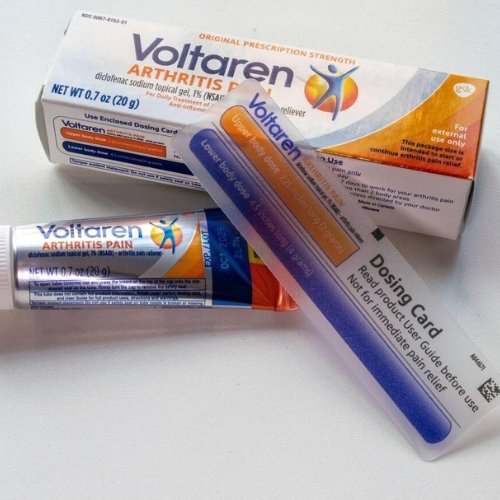
Voltaren Gel is a topical nonsteroidal anti-inflammatory drug (NSAID) that contains diclofenac sodium 1%. It is applied directly to the skin to help relieve pain and inflammation associated with certain joint conditions, particularly osteoarthritis.
Unlike oral NSAIDs, Voltaren Gel works mainly at the site where it is applied, which may reduce overall exposure to the medicine while still providing effective pain relief.
Voltaren Gel is available in some countries as both a prescription and an over-the-counter (OTC) medication, depending on local regulations.
How Voltaren Gel Works
Voltaren Gel works by blocking enzymes called cyclooxygenase (COX-1 and COX-2).
This action helps:
- Reduce the production of prostaglandins, chemicals involved in pain and inflammation.
- Decrease swelling and stiffness.
- Improve joint mobility.
- Relieve localized pain.
Voltaren Gel Uses
Osteoarthritis
Voltaren Gel is commonly used to relieve pain associated with osteoarthritis in joints that are close to the skin, including:
- Knees.
- Hands.
- Wrists.
- Feet.
- Ankles.
- Elbows.
Muscle and Joint Pain
Depending on local product labeling and healthcare advice, Voltaren Gel may also be used for temporary relief of:
- Minor sprains.
- Strains.
- Sports injuries.
- Soft tissue injuries.
Benefits of Voltaren Gel
When used as directed, Voltaren Gel may help:
- Relieve joint pain.
- Reduce inflammation.
- Improve movement and flexibility.
- Decrease stiffness.
- Provide targeted pain relief with less systemic absorption than oral NSAIDs.
How to Use Voltaren Gel
Always follow the product label or your healthcare provider’s instructions.
General recommendations include:
- Apply the prescribed amount to clean, dry, intact skin.
- Gently massage the gel into the affected joint until absorbed.
- Wash your hands after application unless treating the hands.
- Allow the gel to dry before covering the area with clothing.
- Avoid getting the gel in your eyes, mouth, or on broken or infected skin.
- Do not apply heat (such as heating pads) over the treated area unless advised by your healthcare provider.
Missed Dose
If you forget to apply a scheduled dose:
- Apply it when you remember.
- If it is almost time for your next application, skip the missed dose.
- Do not apply extra gel to make up for a missed application.
Common Side Effects
Common side effects may include:
- Mild skin irritation.
- Dry skin.
- Redness.
- Itching.
- Rash.
- Burning or stinging at the application site.
These reactions are usually mild and temporary.
Serious Side Effects
Although less common, seek immediate medical attention if you experience:
- Severe allergic reaction.
- Difficulty breathing.
- Swelling of the face, lips, tongue, or throat.
- Severe skin rash or blistering.
- Signs of stomach bleeding, such as black stools or vomiting blood (rare but possible with NSAID absorption).
- Chest pain or symptoms of a heart attack or stroke.
Safety Information
Before using Voltaren Gel, tell your healthcare provider if you have:
- Asthma triggered by aspirin or NSAIDs.
- Heart disease.
- High blood pressure.
- Kidney disease.
- Liver disease.
- A history of stomach ulcers or gastrointestinal bleeding.
- Pregnancy or plans to become pregnant.
- Breastfeeding.
Avoid applying Voltaren Gel to:
- Broken or damaged skin.
- Open wounds.
- Areas with active skin infections.
Drug Interactions
Although less is absorbed into the bloodstream than with oral diclofenac, Voltaren Gel may still interact with:
- Other NSAIDs (such as ibuprofen or naproxen).
- Aspirin.
- Blood thinners such as warfarin.
- ACE inhibitors and ARBs.
- Diuretics (water tablets).
- Certain blood pressure medications.
Tell your healthcare provider about all medicines and supplements you use.
Alcohol and Voltaren Gel
There is no direct interaction between alcohol and topical Voltaren Gel. However, heavy alcohol use combined with NSAIDs may increase the risk of stomach irritation or bleeding.
Pregnancy and Breastfeeding
If you are pregnant or planning pregnancy:
- Inform your healthcare provider before using Voltaren Gel.
- NSAIDs are generally not recommended after 20 weeks of pregnancy unless specifically advised by a healthcare professional because they may affect the developing baby.
If you are breastfeeding, discuss the benefits and risks with your healthcare provider before using Voltaren Gel.
Storage
Store Voltaren Gel:
- At room temperature.
- Away from excessive heat and moisture.
- Keep the tube tightly closed.
- Keep out of reach of children and pets.
Frequently Asked Questions (FAQs)
What is Voltaren Gel used for?
Voltaren Gel is used to relieve pain and inflammation associated with osteoarthritis and, in some cases, minor muscle or joint injuries.
Is Voltaren Gel a steroid?
No. Voltaren Gel is not a steroid. It is a topical NSAID containing diclofenac sodium.
How long does Voltaren Gel take to work?
Some people notice pain relief within a few days, but maximum benefit may take several weeks of regular use for chronic joint pain.
Can I use Voltaren Gel with oral painkillers?
Possibly, but you should consult your healthcare provider, especially if you are taking other NSAIDs, to avoid increasing the risk of side effects.
Can I use Voltaren Gel on my back?
Some formulations are approved only for certain joints. Check the product label or ask your healthcare provider whether it is appropriate for your specific condition.
Can I cover the treated area with a bandage?
Avoid using tight or airtight bandages unless specifically instructed by your healthcare provider.
Can older adults use Voltaren Gel?
Yes. It is commonly used by older adults for osteoarthritis, but they should still follow dosing instructions and discuss any existing medical conditions with their healthcare provider.
What happens if I accidentally swallow Voltaren Gel?
Swallowing Voltaren Gel may be harmful. Contact your local poison center or seek immediate medical attention.
Final Thoughts
Voltaren Gel (diclofenac sodium 1%) is a topical NSAID that provides targeted relief from pain and inflammation associated with osteoarthritis and certain muscle or joint conditions. When applied correctly, it can help improve mobility and reduce discomfort while limiting the amount of medicine absorbed into the bloodstream compared with oral NSAIDs.
Always use Voltaren Gel as directed, avoid applying it to damaged skin, and consult your healthcare provider if symptoms persist or worsen.
Medical Disclaimer: This article is for educational and informational purposes only and should not replace professional medical advice, diagnosis, or treatment. Always consult a qualified healthcare professional before starting, stopping, or changing any medication.
| Quantity | 30 Pills, 60 Pills, 120 Pills, 180 Pills, 200 Pills, 250 Pills, 300 Pills, 400 Pills, 500 Pills |
|---|
Be the first to review “Voltaren Gel”
Related products
Drugs
Drugs
Drugs
Drugs
Drugs

Drugs
Drugs
Drugs
Reviews
There are no reviews yet.