
Ticagrelor 90 mg: Uses, Dosage, Side Effects, Safety, and Frequently Asked Questions
What Is Ticagrelor 90 mg?
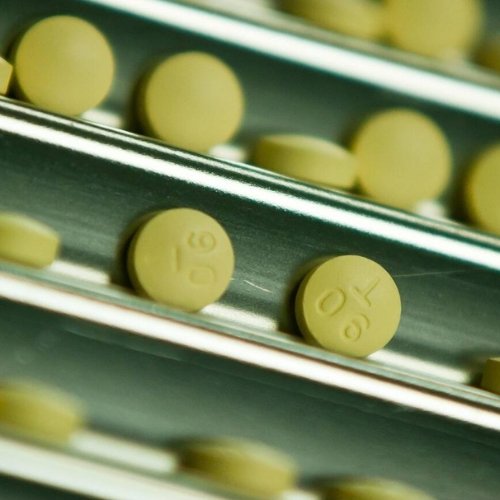
Ticagrelor 90 mg is a prescription antiplatelet medication used to help reduce the risk of heart attack, stroke, and cardiovascular death in people with certain heart and blood vessel conditions. It belongs to a class of medicines called P2Y12 platelet inhibitors.
Platelets are blood cells that help form clots. Ticagrelor works by making platelets less likely to stick together, helping to prevent harmful blood clots from forming.
It is commonly available as:
- 90 mg tablets
- 60 mg tablets
In many countries, Ticagrelor is marketed under the brand name Brilinta.
How Ticagrelor Works
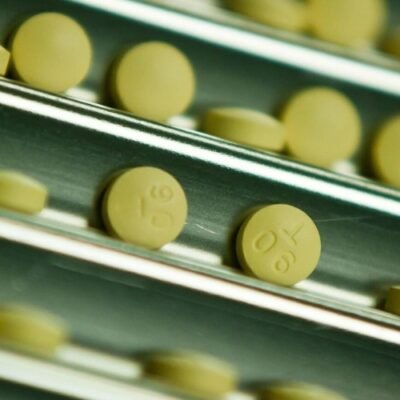
When a blood vessel is injured, platelets become activated and stick together to form a clot.
Ticagrelor blocks the P2Y12 receptor on platelets, which helps:
- Reduce platelet activation.
- Prevent platelets from clumping together.
- Lower the risk of clot formation in arteries.
- Improve blood flow to the heart and brain.
Unlike some other antiplatelet medicines, Ticagrelor works reversibly, meaning its effects gradually wear off after the medication is stopped.
Ticagrelor 90 mg Uses
Ticagrelor may be prescribed for:
Acute Coronary Syndrome (ACS)
This includes conditions such as:
- Heart attack (myocardial infarction).
- Unstable angina.
It helps reduce the risk of future cardiovascular events.
After Coronary Stent Placement
Ticagrelor is commonly prescribed after a percutaneous coronary intervention (PCI) with stent placement to help prevent blood clots from forming inside the stent.
Prevention of Cardiovascular Events
In selected patients at high cardiovascular risk, Ticagrelor may be used to reduce the risk of heart attack or stroke.
It is often prescribed together with low-dose aspirin, unless a healthcare provider recommends otherwise.
Benefits of Ticagrelor 90 mg
When used as prescribed, Ticagrelor may help:
- Reduce the risk of heart attack.
- Lower the risk of stroke.
- Prevent blood clots after coronary stent placement.
- Reduce the risk of cardiovascular death in eligible patients.
Ticagrelor 90 mg Dosage
The appropriate dose and duration depend on:
- The reason for treatment.
- Recent heart procedures.
- Bleeding risk.
- Other medical conditions.
General guidance:
- Take exactly as prescribed.
- Do not stop taking Ticagrelor without consulting your healthcare provider, especially after receiving a coronary stent.
- It may be taken with or without food.
How to Take Ticagrelor
For best results:
- Take the tablet at the same times each day.
- Swallow with water.
- It may be taken with or without food.
- If instructed, take it together with low-dose aspirin.
- Continue treatment for the full duration recommended by your healthcare provider.
Missed Dose
If you miss a dose:
- Skip the missed dose.
- Take the next dose at the usual time.
- Do not take two doses together to make up for a missed dose.
Common Side Effects
Common side effects may include:
- Easy bruising.
- Nosebleeds.
- Bleeding that takes longer to stop.
- Shortness of breath.
- Dizziness.
- Nausea.
Serious Side Effects
Seek immediate medical attention if you experience:
- Severe or uncontrolled bleeding.
- Coughing up blood.
- Black or bloody stools.
- Vomiting blood or material that looks like coffee grounds.
- Sudden severe headache.
- Signs of a stroke.
- Difficulty breathing that is severe or worsening.
Safety Information
Before taking Ticagrelor, tell your healthcare provider if you have:
- Active bleeding.
- A history of bleeding disorders.
- Previous bleeding in the brain.
- Liver disease.
- Asthma or chronic lung disease.
- Recent surgery or planned surgery.
- Pregnancy or plans to become pregnant.
- Breastfeeding.
Because Ticagrelor increases bleeding risk, your healthcare provider may advise temporarily stopping it before certain surgical or dental procedures.
Drug Interactions
Ticagrelor may interact with:
- Aspirin (higher doses may reduce its effectiveness for some indications).
- Warfarin and other blood thinners.
- Nonsteroidal anti-inflammatory drugs (NSAIDs).
- Certain antifungal medicines.
- Some antibiotics.
- HIV medicines.
- Strong CYP3A inhibitors and inducers.
- Certain cholesterol-lowering medicines such as high-dose simvastatin or lovastatin.
Always tell your healthcare provider about all prescription medicines, over-the-counter medicines, vitamins, and supplements you take.
Alcohol and Ticagrelor
Alcohol may increase the risk of stomach irritation and bleeding. Discuss alcohol use with your healthcare provider, particularly if you have a history of ulcers or bleeding problems.
Pregnancy and Breastfeeding
If you are pregnant, planning pregnancy, or breastfeeding:
- Inform your healthcare provider before starting Ticagrelor.
- Your provider will weigh the potential benefits and risks before recommending treatment.
Storage
Store Ticagrelor tablets:
- At room temperature.
- Away from moisture and direct heat.
- In the original packaging.
- Out of reach of children.
Frequently Asked Questions (FAQs)
What is Ticagrelor 90 mg used for?
Ticagrelor 90 mg is used to reduce the risk of heart attack, stroke, and cardiovascular death in people with certain heart conditions, including after a heart attack or coronary stent placement.
Is Ticagrelor a blood thinner?
Ticagrelor is commonly called a “blood thinner,” but it is specifically an antiplatelet medication. It helps prevent platelets from sticking together rather than thinning the blood itself.
Can Ticagrelor be taken with aspirin?
Yes. It is often prescribed with low-dose aspirin for certain heart conditions. Always follow your healthcare provider’s instructions regarding aspirin use.
Why does Ticagrelor cause shortness of breath?
Some people experience mild shortness of breath while taking Ticagrelor. Although this is a known side effect, any new or worsening breathing problems should be evaluated by a healthcare provider.
Can I stop Ticagrelor suddenly?
No. Stopping Ticagrelor without medical advice, especially after a stent has been placed, may increase the risk of serious blood clots, heart attack, or stroke.
Can I take painkillers while using Ticagrelor?
Some pain relievers, particularly NSAIDs such as ibuprofen or naproxen, may increase the risk of bleeding. Consult your healthcare provider or pharmacist before taking additional medicines.
Can older adults take Ticagrelor?
Yes. Older adults commonly use Ticagrelor, but they may have a higher risk of bleeding and should be monitored appropriately.
What happens if I take too much Ticagrelor?
An overdose may increase the risk of bleeding. Seek immediate medical attention if an overdose is suspected.
Do I need regular blood tests while taking Ticagrelor?
Routine blood tests to monitor the medication itself are not usually required, but your healthcare provider may order tests to monitor your overall health or investigate signs of bleeding.
Final Thoughts
Ticagrelor 90 mg is an effective antiplatelet medication that helps reduce the risk of heart attack, stroke, and blood clot formation in people with certain cardiovascular conditions. It is commonly prescribed after acute coronary syndrome or coronary stent placement and is often used alongside low-dose aspirin.
For the best outcomes, take Ticagrelor exactly as prescribed, avoid stopping treatment without medical advice, and seek prompt medical attention if you experience unusual bleeding or other serious symptoms.
Medical Disclaimer: This article is for educational and informational purposes only and should not replace professional medical advice, diagnosis, or treatment. Always consult a qualified healthcare professional before starting, stopping, or changing any medication.
| Quantity | 30 Pills, 60 Pills, 120 Pills, 180 Pills, 200 Pills, 250 Pills, 300 Pills, 400 Pills, 500 Pills |
|---|
Be the first to review “Ticagrelor 90mg”
Related products
Drugs
Drugs
Drugs
Drugs
Drugs
Drugs
Drugs
Reviews
There are no reviews yet.