
Pioglitazone 30 mg: Uses, Dosage, Side Effects, Safety, and Frequently Asked Questions
What Is Pioglitazone 30 mg?
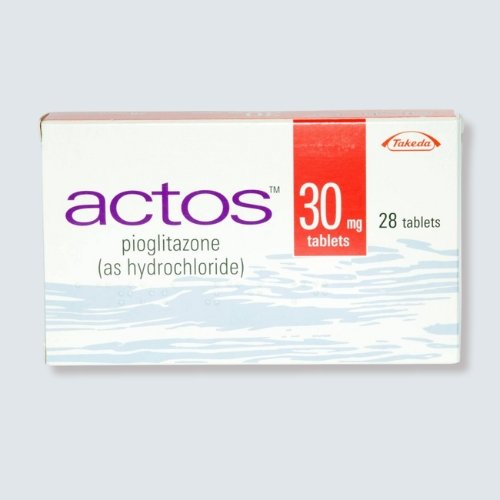
Pioglitazone 30 mg is a prescription oral medication used to improve blood sugar control in adults with type 2 diabetes mellitus. It belongs to a class of medicines called thiazolidinediones (TZDs), which help the body use insulin more effectively.
Pioglitazone is typically prescribed alongside a healthy diet and regular physical activity. It may be used alone or in combination with other diabetes medications, including metformin, sulfonylureas, SGLT2 inhibitors, GLP-1 receptor agonists, or insulin.
It is available in several strengths, including:
- 15 mg tablets
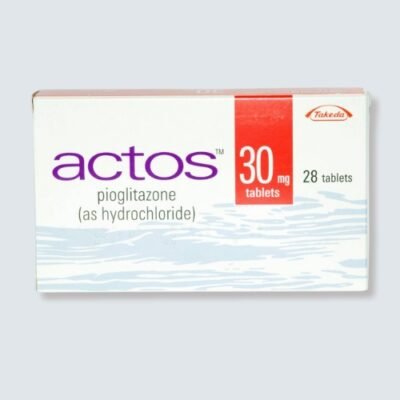
- 30 mg tablets
- 45 mg tablets
How Pioglitazone Works
Pioglitazone works by increasing the body’s sensitivity to insulin, allowing cells to use glucose more effectively.
It helps to:
- Lower blood sugar levels.
- Improve insulin sensitivity.
- Reduce glucose production by the liver.
- Improve long-term blood sugar control (HbA1c).
Unlike some diabetes medicines, pioglitazone does not usually cause hypoglycemia (low blood sugar) when taken on its own.
Pioglitazone 30 mg Uses
Type 2 Diabetes Mellitus
Pioglitazone is approved for improving blood glucose control in adults with type 2 diabetes.
It is not indicated for:
- Type 1 diabetes.
- Diabetic ketoacidosis (DKA).
Benefits of Pioglitazone 30 mg
When taken as prescribed, pioglitazone may help:
- Lower HbA1c levels.
- Improve insulin sensitivity.
- Reduce fasting blood glucose.
- Support long-term diabetes management when combined with lifestyle changes.
Pioglitazone 30 mg Dosage
The correct dose depends on:
- Blood sugar levels.
- HbA1c results.
- Other diabetes medications.
- Liver function.
- Individual response to treatment.
General guidance:
- Take exactly as prescribed by your healthcare provider.
- Do not increase or decrease the dose without medical advice.
- Your healthcare provider may adjust the dose based on your blood sugar response.
How to Take Pioglitazone
For best results:
- Take once daily at the same time each day.
- Swallow the tablet whole with water.
- It may be taken with or without food.
- Continue following your diabetes meal plan and exercise program.
Missed Dose
If you miss a dose:
- Take it as soon as you remember.
- If it is almost time for your next dose, skip the missed dose.
- Do not take two doses at the same time.
Common Side Effects
Common side effects may include:
- Weight gain.
- Swelling of the ankles or feet (fluid retention).
- Headache.
- Upper respiratory tract infections.
- Muscle aches.
- Sinus infections.
Serious Side Effects
Seek immediate medical attention if you experience:
- Shortness of breath.
- Rapid weight gain.
- Significant swelling of the legs or ankles.
- Chest pain.
- Yellowing of the skin or eyes.
- Blood in the urine.
- Changes in vision.
- Signs of a severe allergic reaction.
Important Warning: Heart Failure Risk
Pioglitazone can cause or worsen heart failure in some people because it may lead to fluid retention.
Contact your healthcare provider immediately if you notice:
- New or worsening shortness of breath.
- Sudden weight gain.
- Swelling of the feet, ankles, or legs.
- Fatigue that is getting worse.
Pioglitazone is generally not recommended for people with symptomatic heart failure.
Safety Information
Before taking pioglitazone, tell your healthcare provider if you have:
- Heart failure.
- Liver disease.
- Bladder cancer or a history of bladder cancer.
- Diabetic eye disease.
- Osteoporosis or a history of fractures.
- Pregnancy or plans to become pregnant.
- Breastfeeding.
Regular monitoring of blood sugar and periodic liver function tests may be recommended during treatment.
Drug Interactions
Pioglitazone may interact with:
- Insulin.
- Sulfonylurea diabetes medications.
- Gemfibrozil.
- Rifampicin (rifampin).
- Certain hormonal contraceptives.
Always inform your healthcare provider about all prescription medicines, over-the-counter products, vitamins, and herbal supplements you take.
Alcohol and Pioglitazone
Alcohol may affect blood sugar control and increase the risk of both high and low blood sugar, particularly when combined with other diabetes medications.
Discuss alcohol use with your healthcare provider.
Pregnancy and Breastfeeding
If you are pregnant, planning pregnancy, or breastfeeding:
- Discuss treatment options with your healthcare provider.
- Blood sugar control during pregnancy is important, and your treatment plan may need to change.
Storage
Store pioglitazone:
- At room temperature.
- Away from heat and moisture.
- In the original container.
- Out of reach of children.
Frequently Asked Questions (FAQs)
What is Pioglitazone 30 mg used for?
Pioglitazone 30 mg is used to improve blood sugar control in adults with type 2 diabetes mellitus.
Is pioglitazone insulin?
No. Pioglitazone is not insulin. It helps the body respond more effectively to its own insulin.
Can pioglitazone cause weight gain?
Yes. Weight gain and fluid retention are recognized side effects.
Does pioglitazone cause low blood sugar?
When taken alone, it usually does not cause hypoglycemia. However, the risk increases when combined with insulin or certain other diabetes medications.
Can pioglitazone be taken with metformin?
Yes. Pioglitazone is commonly prescribed together with metformin when additional blood sugar control is needed.
Can pioglitazone affect the liver?
Rarely, liver problems may occur. Your healthcare provider may monitor liver function before and during treatment.
Can older adults take pioglitazone?
Yes, although they may require closer monitoring for heart failure, fractures, and fluid retention.
Can pioglitazone be taken with food?
Yes. It can be taken with or without food.
What happens if I take too much pioglitazone?
An overdose may increase the risk of side effects. Seek medical advice or emergency care if an overdose is suspected.
Is pioglitazone a cure for diabetes?
No. Pioglitazone helps manage blood sugar but does not cure type 2 diabetes.
Final Thoughts
Pioglitazone 30 mg is an effective treatment for adults with type 2 diabetes, helping improve insulin sensitivity and lower blood sugar levels. It works best when combined with healthy eating, regular physical activity, and routine blood sugar monitoring.
Because pioglitazone may increase the risk of fluid retention and heart failure in some people, it is important to attend regular follow-up appointments and report symptoms such as swelling, rapid weight gain, or shortness of breath promptly.
Medical Disclaimer: This article is for educational and informational purposes only and should not replace professional medical advice, diagnosis, or treatment. Always consult a qualified healthcare professional before starting, stopping, or changing any medication.
| Quantity | 30 Pills, 60 Pills, 120 Pills, 180 Pills, 200 Pills, 250 Pills, 300 Pills, 400 Pills, 500 Pills |
|---|
Be the first to review “Pioglitazone 30mg”
Related products
Drugs

Drugs
Drugs

Drugs
Drugs
Drugs

Drugs
Drugs
Reviews
There are no reviews yet.