

Phenytoin 100 mg: Uses, Dosage, Side Effects, Safety, and Frequently Asked Questions
What Is Phenytoin 100 mg?
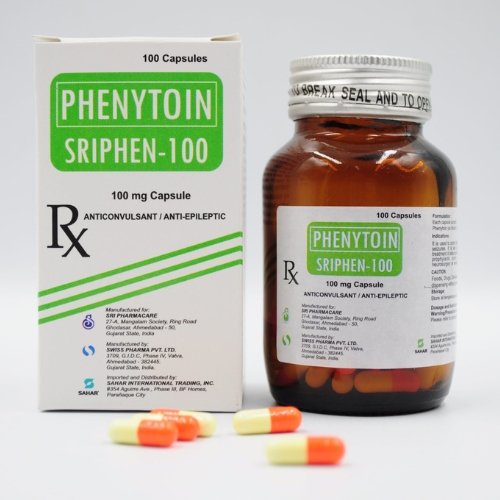
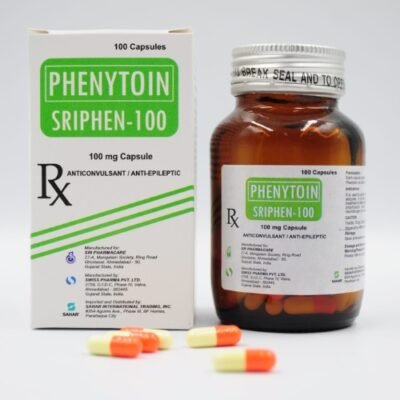
Phenytoin 100 mg is a prescription anticonvulsant (antiepileptic) medication used to help prevent and control certain types of seizures. It works by stabilizing electrical activity in the brain, helping to reduce the frequency and severity of seizures.
Phenytoin is commonly prescribed for:
- Generalized tonic-clonic (grand mal) seizures.
- Focal (partial) seizures.
- Prevention and treatment of seizures occurring during or after brain surgery.
It is available in several formulations, including:
- 100 mg capsules.
- Chewable tablets.
- Oral suspension.
- Intravenous injection (used in hospitals).
How Phenytoin Works
Phenytoin works by slowing abnormal electrical signals in the brain.
It helps to:
- Stabilize nerve cell membranes.
- Reduce excessive electrical activity.
- Prevent the spread of seizure activity.
- Lower the frequency of certain seizure types.
It is important to note that phenytoin controls seizures but does not cure epilepsy.
Phenytoin 100 mg Uses
Phenytoin may be prescribed for:
Epilepsy
To help prevent:
- Generalized tonic-clonic seizures.
- Focal (partial) seizures.
Seizure Prevention After Brain Surgery
Healthcare providers may prescribe phenytoin to reduce the risk of seizures following certain neurosurgical procedures.
Benefits of Phenytoin 100 mg
When taken as prescribed, phenytoin may help:
- Reduce seizure frequency.
- Prevent seizure recurrence.
- Improve quality of life for people living with epilepsy.
- Help prevent seizures after specific neurological procedures.
Phenytoin 100 mg Dosage
The correct dose depends on:
- The type of seizures.
- Age.
- Body weight.
- Liver function.
- Other medications.
- Blood phenytoin levels.
General guidance:
- Take exactly as prescribed.
- Do not change your dose without medical advice.
- Your healthcare provider may order blood tests to ensure phenytoin levels remain within the therapeutic range.
How to Take Phenytoin
For best results:
- Take the medication at the same time each day.
- Swallow capsules whole with water.
- It may be taken with or without food, but try to take it consistently the same way each time.
- If using the oral suspension, shake the bottle well before each dose.
- Do not stop taking phenytoin suddenly unless instructed by your healthcare provider.
Missed Dose
If you miss a dose:
- Take it as soon as you remember.
- If it is nearly time for your next dose, skip the missed dose.
- Do not take two doses at the same time.
Common Side Effects
Common side effects may include:
- Drowsiness.
- Dizziness.
- Difficulty with coordination.
- Blurred vision.
- Nausea.
- Headache.
- Tremor.
- Overgrowth of the gums (gingival hyperplasia), particularly with long-term use.
Practicing good oral hygiene and attending regular dental checkups may help reduce the risk of gum problems.
Serious Side Effects
Seek immediate medical attention if you experience:
- Severe skin rash or blistering.
- Swelling of the face, lips, tongue, or throat.
- Difficulty breathing.
- Yellowing of the skin or eyes.
- Persistent fever or sore throat.
- Unusual bruising or bleeding.
- Worsening seizures.
Rare but serious skin reactions and liver problems can occur with phenytoin.
Safety Information
Before taking phenytoin, tell your healthcare provider if you have:
- Liver disease.
- Kidney disease.
- Heart rhythm problems.
- Diabetes.
- A history of depression or mood changes.
- Pregnancy or plans to become pregnant.
- Breastfeeding.
Phenytoin may affect bone health during long-term treatment. Your healthcare provider may recommend monitoring or supplements if appropriate.
Drug Interactions
Phenytoin has many important drug interactions and may interact with:
- Warfarin.
- Oral contraceptives (birth control pills).
- Some antibiotics.
- Certain antifungal medicines.
- Corticosteroids.
- Other anti-seizure medicines.
- Some chemotherapy drugs.
Always provide your healthcare provider with a complete list of all medicines, vitamins, and herbal supplements you are taking.
Alcohol and Phenytoin
Alcohol can affect phenytoin levels and may increase side effects such as:
- Drowsiness.
- Dizziness.
- Poor coordination.
It may also increase the risk of seizures in some people. Discuss alcohol use with your healthcare provider.
Pregnancy and Breastfeeding
If you are pregnant or planning pregnancy:
- Do not stop phenytoin without medical advice, as uncontrolled seizures can be dangerous.
- Your healthcare provider will carefully weigh the benefits and risks of treatment.
- Folic acid supplementation may be recommended before and during pregnancy.
If breastfeeding, discuss the potential benefits and risks with your healthcare provider.
Storage
Store phenytoin:
- At room temperature.
- Away from moisture and direct sunlight.
- In the original container.
- Out of reach of children.
Frequently Asked Questions (FAQs)
What is Phenytoin 100 mg used for?
Phenytoin 100 mg is used to prevent and control certain types of seizures, including generalized tonic-clonic and focal seizures.
Is phenytoin an antibiotic?
No. Phenytoin is an anticonvulsant (antiepileptic) medication.
Can phenytoin cure epilepsy?
No. Phenytoin helps control seizures but does not cure epilepsy.
Why are blood tests needed while taking phenytoin?
Blood tests help ensure that phenytoin levels stay within the therapeutic range, reducing the risk of side effects or inadequate seizure control.
Can phenytoin affect the gums?
Yes. Long-term use may cause gum overgrowth. Good oral hygiene and regular dental visits can help reduce this risk.
Can I stop phenytoin suddenly?
No. Stopping phenytoin abruptly may increase the risk of seizures. Any changes should be made under medical supervision.
Can phenytoin affect birth control pills?
Yes. Phenytoin can reduce the effectiveness of hormonal contraceptives. Discuss appropriate contraceptive options with your healthcare provider.
Can older adults take phenytoin?
Yes. Older adults may be more sensitive to its effects and may require careful monitoring and dose adjustments.
Can phenytoin be taken with food?
Yes. It can be taken with or without food, but it is best to take it consistently the same way each day.
What happens if I take too much phenytoin?
An overdose may cause severe drowsiness, slurred speech, poor coordination, rapid eye movements, confusion, or even coma. Seek emergency medical attention immediately if an overdose is suspected.
Final Thoughts
Phenytoin 100 mg is a well-established anticonvulsant used to prevent and control specific types of seizures. Regular use, blood level monitoring, and follow-up appointments are important to help maintain effective seizure control while minimizing side effects.
Take phenytoin exactly as prescribed, never stop it suddenly without medical advice, and inform your healthcare provider about all other medications you take to reduce the risk of significant drug interactions.
Medical Disclaimer: This article is for educational and informational purposes only and should not replace professional medical advice, diagnosis, or treatment. Always consult a qualified healthcare professional before starting, stopping, or changing any medication.
| Quantity | 30 Pills, 60 Pills, 120 Pills, 180 Pills, 200 Pills, 250 Pills, 300 Pills, 400 Pills, 500 Pills |
|---|
Be the first to review “Phenytoin 100mg”
Related products
Drugs

Drugs
Drugs

Drugs

Drugs
Drugs
Drugs
Drugs
Reviews
There are no reviews yet.