
Oxycodone 40 mg: Uses, Dosage, Side Effects, Safety, and Frequently Asked Questions
What Is Oxycodone 40 mg?
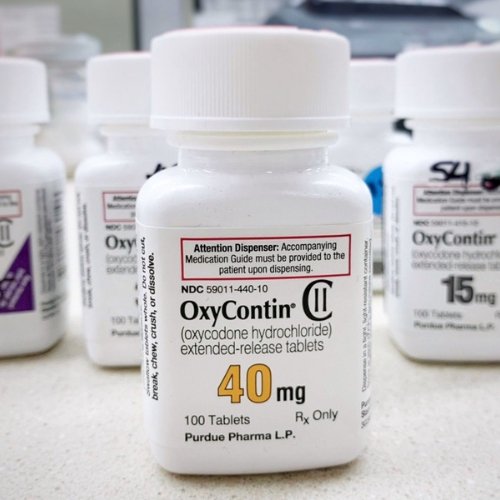
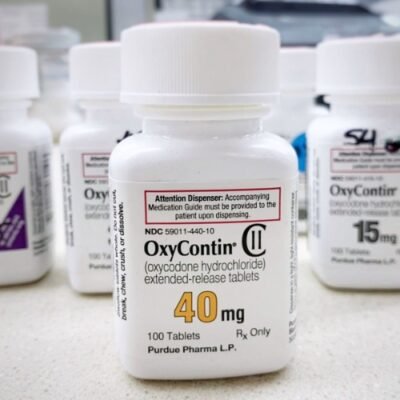
Oxycodone 40 mg is a prescription opioid (narcotic) pain medication used to manage severe pain when around-the-clock opioid treatment is appropriate and alternative treatments are not sufficient.
A 40 mg strength is commonly associated with extended-release (ER) formulations, which are designed to provide long-lasting pain relief. Because this is a high-strength opioid, it is intended only for patients who have been appropriately assessed by a healthcare provider and should be taken exactly as prescribed.
Oxycodone has a boxed warning for risks including misuse, addiction, overdose, and life-threatening respiratory depression.
How Oxycodone Works
Oxycodone binds to opioid receptors in the brain and spinal cord.
This helps:
- Reduce the perception of pain.
- Change the emotional response to pain.
- Provide relief from moderate to severe pain.
Extended-release formulations release the medication gradually over many hours to provide continuous pain control.
Oxycodone 40 mg Uses
Severe Chronic Pain
Oxycodone may be prescribed for:
- Chronic cancer-related pain.
- Severe musculoskeletal pain.
- Pain following major surgery when long-term opioid therapy is appropriate.
- Other severe pain conditions requiring continuous opioid treatment.
Extended-release oxycodone is not intended for occasional or “as-needed” pain relief.
Benefits of Oxycodone 40 mg
When used exactly as prescribed, oxycodone may help:
- Provide long-lasting pain relief.
- Improve daily functioning in people with severe chronic pain.
- Reduce pain that has not responded adequately to other treatments.
Oxycodone 40 mg Dosage
The correct dose depends on:
- The severity of pain.
- Previous opioid use.
- Age.
- Medical conditions.
- Other medications.
General guidance:
- Take exactly as prescribed.
- Do not increase the dose or take it more often than directed.
- Extended-release tablets must be swallowed whole and must not be crushed, chewed, broken, or dissolved, as doing so can release too much medicine at once and greatly increase the risk of overdose.
How to Take Oxycodone
For best results:
- Take the medication at the same times each day if prescribed on a schedule.
- Swallow extended-release tablets whole with water.
- It may be taken with or without food.
- Do not share your medication with anyone else.
Missed Dose
If you miss a scheduled dose:
- Follow your healthcare provider’s instructions or the product labeling.
- Do not take extra doses or double the next dose.
Common Side Effects
Common side effects may include:
- Drowsiness.
- Dizziness.
- Constipation.
- Nausea.
- Vomiting.
- Dry mouth.
- Sweating.
- Itching.
Constipation is very common with opioid medications and may require preventive measures recommended by a healthcare provider.
Serious Side Effects
Seek emergency medical attention if you experience:
- Slow, shallow, or difficult breathing.
- Extreme drowsiness or inability to wake up.
- Blue lips or fingertips.
- Severe allergic reactions.
- Confusion.
- Fainting.
These symptoms may indicate an overdose or another serious medical emergency.
Dependence, Tolerance, and Addiction Risk
Oxycodone can cause:
- Tolerance, where higher doses may be needed over time for the same effect.
- Physical dependence, meaning withdrawal symptoms can occur if treatment is stopped suddenly after prolonged use.
- Addiction, which involves compulsive use despite harm.
These risks are why oxycodone should only be used under close medical supervision.
Safety Information
Before taking oxycodone, tell your healthcare provider if you have:
- Asthma or other breathing disorders.
- Liver disease.
- Kidney disease.
- Head injury.
- Sleep apnea.
- A history of substance use disorder.
- Pregnancy or plans to become pregnant.
- Breastfeeding.
Do not drive or operate heavy machinery until you know how oxycodone affects you.
Drug Interactions
Oxycodone may interact with:
- Benzodiazepines.
- Other opioid medicines.
- Sleeping tablets.
- Muscle relaxants.
- Alcohol.
- Certain antidepressants.
- Medicines that affect liver enzymes.
Combining oxycodone with other medicines that cause drowsiness can increase the risk of dangerous breathing problems.
Alcohol and Oxycodone
Do not drink alcohol while taking oxycodone.
Alcohol can significantly increase the risk of:
- Severe drowsiness.
- Respiratory depression.
- Overdose.
- Death.
Pregnancy and Breastfeeding
If you are pregnant, planning pregnancy, or breastfeeding:
- Discuss oxycodone treatment with your healthcare provider.
- Long-term opioid use during pregnancy may affect the baby, and oxycodone passes into breast milk.
Storage
Store oxycodone:
- At room temperature.
- In a secure, locked location.
- Away from children and pets.
- Dispose of unused medication through an approved medication take-back program when available.
Frequently Asked Questions (FAQs)
What is Oxycodone 40 mg used for?
Oxycodone 40 mg is used to treat severe pain requiring continuous, long-term opioid therapy when other treatments are not adequate.
Is oxycodone an opioid?
Yes. Oxycodone is a powerful opioid pain medication.
Can oxycodone cause addiction?
Yes. Oxycodone carries a risk of misuse, dependence, and addiction, even when used as prescribed.
Can oxycodone make you sleepy?
Yes. Drowsiness, dizziness, and reduced alertness are common side effects.
Can oxycodone cause constipation?
Yes. Constipation is one of the most common side effects of opioid medications.
Can I stop oxycodone suddenly?
Do not stop long-term oxycodone treatment suddenly without medical advice, as withdrawal symptoms may occur. Your healthcare provider can advise on a gradual reduction if appropriate.
Can oxycodone be taken with food?
Yes. It may be taken with or without food, unless your healthcare provider advises otherwise.
Can older adults take oxycodone?
Yes, but they may be more sensitive to side effects such as drowsiness, confusion, falls, and breathing problems, so careful monitoring is often needed.
What happens if I take too much oxycodone?
An overdose can cause dangerously slow breathing, extreme drowsiness, unconsciousness, and can be fatal. Seek emergency medical help immediately if an overdose is suspected.
Is oxycodone the same as morphine?
No. Both are opioid pain relievers, but they are different medications with different dosing and prescribing considerations.
Final Thoughts
Oxycodone 40 mg is a high-strength opioid medication used for severe pain that requires continuous treatment. While it can provide effective pain relief, it also carries significant risks, including dependence, addiction, overdose, and life-threatening respiratory depression.
Always take oxycodone exactly as prescribed, avoid alcohol and other sedating medicines unless approved by your healthcare provider, and keep the medication securely stored to prevent accidental use or misuse.
Medical Disclaimer: This article is for educational and informational purposes only and should not replace professional medical advice, diagnosis, or treatment. Always consult a qualified healthcare professional before starting, stopping, or changing any medication.
| Quantity | 30 Pills, 60 Pills, 120 Pills, 180 Pills, 200 Pills, 250 Pills, 300 Pills, 400 Pills, 500 Pills |
|---|
Be the first to review “Oxycodone 40mg”
Related products
Drugs
Drugs
Drugs
Drugs
Drugs
Drugs
Drugs

Reviews
There are no reviews yet.