
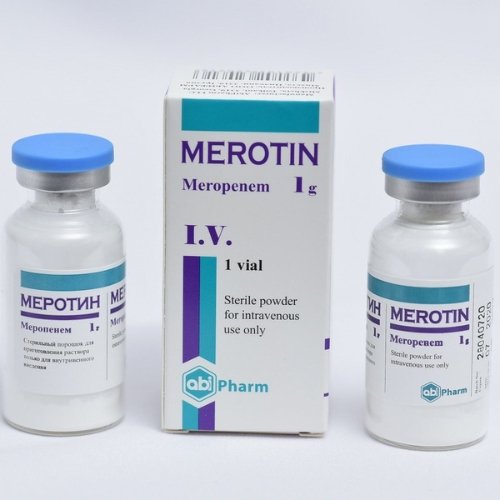
Merrem IV 1g

Price range: €120.00 through €820.00
Merrem IV 1 g (meropenem) is a powerful hospital antibiotic used for serious bacterial infections, especially when broad antibacterial coverage is needed. Because of its importance in treating severe infections and resistant bacteria, it should be used carefully and only under medical supervision.
Merrem IV 1 g: Uses, Dosage, Side Effects, Safety, and Frequently Asked Questions
What Is Merrem IV 1 g?
Merrem IV 1 g is a prescription antibiotic containing meropenem, a medicine belonging to the carbapenem class of antibiotics. It is administered by intravenous (IV) infusion or injection and is used to treat serious bacterial infections caused by susceptible organisms.
Merrem is generally reserved for moderate to severe infections, especially those caused by bacteria that may be resistant to other antibiotics.
It is commonly used in hospitals for infections such as:
- Severe pneumonia.
- Complicated urinary tract infections.
- Abdominal infections.
- Skin and soft tissue infections.
- Meningitis caused by susceptible bacteria.
- Severe bloodstream infections.
How Merrem IV Works
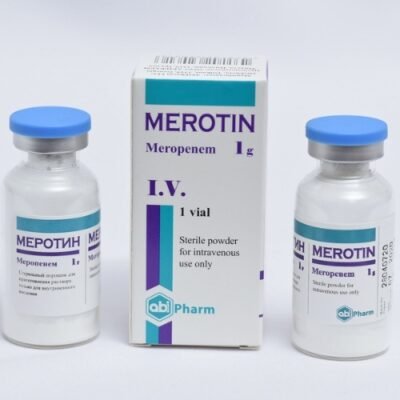
Meropenem works by interfering with bacterial cell wall production.
This action:
- Weakens the bacterial cell wall.
- Causes bacterial cells to break down.
- Stops bacteria from multiplying.
- Helps the immune system clear the infection.
Merrem is a bactericidal antibiotic, meaning it kills bacteria rather than only slowing their growth.
Merrem IV 1 g Uses
Severe Respiratory Infections
Merrem may be used to treat serious lower respiratory tract infections, including:
- Hospital-acquired pneumonia.
- Severe bacterial pneumonia.
- Infections caused by resistant bacteria.
Complicated Urinary Tract Infections
Merrem may be prescribed for severe urinary infections, including infections involving the kidneys, when bacteria are susceptible.
Intra-Abdominal Infections
Merrem can treat serious abdominal infections such as:
- Complicated infections after abdominal surgery.
- Infections involving multiple types of bacteria.
Skin and Soft Tissue Infections
It may be used for severe bacterial infections affecting:
- Skin.
- Deeper tissues.
- Surgical wounds.
Meningitis
Merrem may be used to treat certain bacterial infections of the coverings around the brain and spinal cord when appropriate.
Sepsis and Bloodstream Infections
In hospital settings, meropenem may be used as part of treatment for severe infections that have spread into the bloodstream.
Benefits of Merrem IV 1 g
When used appropriately, Merrem may help:
- Treat serious bacterial infections.
- Fight infections caused by resistant bacteria.
- Reduce complications from severe infections.
- Provide broad-spectrum antibacterial coverage.
Merrem IV 1 g Dosage
The correct dose depends on:
- Type and severity of infection.
- Patient age.
- Kidney function.
- Weight.
- Type of bacteria causing the infection.
General guidance:
- Merrem IV is administered by healthcare professionals.
- A common adult dose for many serious infections is 1 g every 8 hours, but dosing varies significantly depending on the infection.
- Patients with reduced kidney function may require dose adjustments.
Do not use meropenem without medical supervision.
How Merrem IV Is Given
Merrem is given by:
- Intravenous injection.
- Intravenous infusion.
Healthcare professionals determine:
- Dose.
- Infusion time.
- Treatment duration.
The full course should be completed unless a healthcare provider advises otherwise.
Common Side Effects
Common side effects may include:
- Nausea.
- Vomiting.
- Diarrhea.
- Headache.
- Rash.
- Injection-site reactions.
- Increased liver enzymes.
Serious Side Effects
Seek urgent medical attention if you experience:
- Severe allergic reactions.
- Difficulty breathing.
- Swelling of the face, lips, or throat.
- Severe skin reactions.
- Seizures.
- Severe or persistent diarrhea.
- Confusion or unusual neurological symptoms.
Safety Information
Before receiving Merrem, tell your healthcare provider if you have:
- Allergy to meropenem, carbapenems, penicillins, or cephalosporins.
- Kidney disease.
- Seizure disorders.
- Gastrointestinal disease, especially colitis.
- Pregnancy or breastfeeding.
People with kidney problems may need closer monitoring and dose adjustments.
Drug Interactions
Merrem may interact with:
- Valproic acid.
- Sodium valproate.
- Certain antibiotics.
- Medicines affecting kidney function.
A particularly important interaction is with valproate medicines, because meropenem can significantly reduce valproate levels and may increase seizure risk.
Always provide a complete medication list to your healthcare provider.
Pregnancy and Breastfeeding
If you are pregnant, planning pregnancy, or breastfeeding:
- Inform your healthcare provider before receiving Merrem.
- Your healthcare provider will assess whether the benefits outweigh potential risks.
Storage
Merrem IV should be:
- Stored according to manufacturer instructions.
- Prepared and administered by healthcare professionals.
- Protected from improper storage conditions.
Frequently Asked Questions (FAQs)
What is Merrem IV 1 g used for?
Merrem IV 1 g is used to treat serious bacterial infections, including severe pneumonia, complicated urinary infections, abdominal infections, meningitis, and bloodstream infections.
Is Merrem a strong antibiotic?
Yes. Meropenem is a broad-spectrum carbapenem antibiotic often reserved for serious infections or infections caused by resistant bacteria.
Is Merrem the same as meropenem?
Yes. Merrem is a brand name for the antibiotic meropenem.
How is Merrem given?
Merrem is given through an IV injection or infusion by trained healthcare professionals.
How long is Merrem treatment?
Treatment duration depends on the infection type, severity, and response to therapy.
Can Merrem treat viral infections?
No. Merrem only works against susceptible bacterial infections and does not treat viruses such as colds or influenza.
Can Merrem cause diarrhea?
Yes. Antibiotics including meropenem can cause diarrhea. Severe or persistent diarrhea should be reported because it may indicate a serious intestinal reaction.
Can people allergic to penicillin take Merrem?
Some people with penicillin allergies may receive meropenem, but the decision depends on the type and severity of the previous reaction.
Does Merrem affect the kidneys?
Meropenem is mainly removed through the kidneys, so dose adjustments may be needed in people with kidney impairment.
What happens if too much Merrem is given?
An excessive dose may increase the risk of side effects, including neurological effects such as seizures. Medical evaluation is required.
Final Thoughts
Merrem IV 1 g (meropenem) is a powerful hospital antibiotic used for serious bacterial infections, especially when broad antibacterial coverage is needed. Because of its importance in treating severe infections and resistant bacteria, it should be used carefully and only under medical supervision.
Correct diagnosis, appropriate dosing, and completing the prescribed treatment course help improve outcomes and reduce antibiotic resistance.
Medical Disclaimer: This article is for educational and informational purposes only and should not replace professional medical advice, diagnosis, or treatment. Always consult a qualified healthcare professional before starting, stopping, or changing any medication.
| Quantity | 30 Pills, 60 Pills, 120 Pills, 180 Pills, 200 Pills, 250 Pills, 300 Pills, 400 Pills, 500 Pills |
|---|
Be the first to review “Merrem IV 1g”
Related products
Drugs

Drugs

Drugs
Drugs
Drugs
Drugs
Drugs
Reviews
There are no reviews yet.