


Mesalazine 250 mg: Uses, Dosage, Side Effects, Safety, and Frequently Asked Questions
What Is Mesalazine 250 mg?
Mesalazine 250 mg (also known as mesalamine) is a prescription medicine used to treat and help maintain remission in certain inflammatory bowel diseases (IBD), especially:
- Ulcerative colitis
- Some cases of Crohn’s disease affecting the colon
Mesalazine belongs to a group of medicines called 5-aminosalicylic acid (5-ASA) drugs. It works mainly inside the bowel to reduce inflammation.
It is available in different forms, including:
- Tablets.
- Modified-release tablets.
- Capsules.
- Granules.
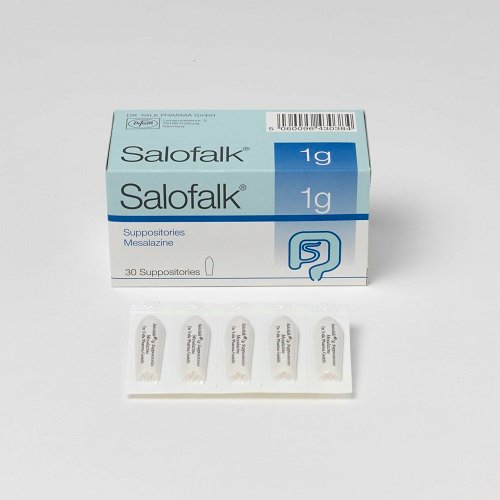
- Rectal preparations such as suppositories or enemas.
The 250 mg strength may be used as part of a larger prescribed daily dose depending on the condition being treated.
How Mesalazine Works

Mesalazine works locally in the lining of the intestine by reducing inflammatory activity.
It helps to:
- Reduce production of inflammatory chemicals.
- Calm inflammation in the bowel lining.
- Relieve symptoms such as diarrhea and abdominal discomfort.
- Help maintain remission and prevent flare-ups in ulcerative colitis.
Unlike many immune-suppressing medicines, mesalazine mainly acts in the gastrointestinal tract.
Mesalazine 250 mg Uses
Ulcerative Colitis
Mesalazine is commonly used for:
- Mild to moderate ulcerative colitis flare-ups.
- Long-term maintenance treatment to reduce recurrence.
Symptoms of ulcerative colitis may include:
- Frequent diarrhea.
- Blood or mucus in stools.
- Abdominal cramps.
- Urgency to use the toilet.
Crohn’s Disease
In selected cases, mesalazine may be used for Crohn’s disease, particularly when inflammation affects the colon. Its usefulness depends on the individual condition and medical guidance.
Benefits of Mesalazine 250 mg
When used as prescribed, mesalazine may help:
- Reduce bowel inflammation.
- Improve symptoms during flare-ups.
- Maintain remission.
- Reduce the frequency of inflammatory bowel disease symptoms.
Mesalazine 250 mg Dosage
The correct dose depends on:
- The type and severity of bowel disease.
- The location of inflammation.
- The formulation being used.
- Age and kidney function.
General guidance:
- Take exactly as prescribed by your healthcare provider.
- Daily doses may involve several tablets depending on treatment needs.
- Do not stop treatment without medical advice, even if symptoms improve.
How to Take Mesalazine 250 mg
For best results:
- Swallow tablets or capsules as directed.
- Do not crush modified-release forms unless specifically instructed.
- Take doses consistently.
- Drink adequate fluids unless your healthcare provider advises otherwise.
Different mesalazine products release medicine in different parts of the bowel, so follow the instructions for your specific product.
Missed Dose
If you miss a dose:
- Take it when you remember unless it is close to the next dose.
- Skip the missed dose if appropriate.
- Do not take extra doses to make up for a missed one.
Common Side Effects
Common side effects may include:
- Headache.
- Nausea.
- Abdominal pain.
- Indigestion.
- Diarrhea.
- Rash.
- Joint pain.
Serious Side Effects
Seek medical attention if you experience:
- Severe abdominal pain.
- Unexplained bruising or bleeding.
- Persistent fever.
- Severe skin rash.
- Chest pain.
- Shortness of breath.
- Yellowing of the skin or eyes.
- Reduced urine output or signs of kidney problems.
Rarely, mesalazine can affect the kidneys, liver, or blood cells.
Safety Information
Before taking mesalazine, tell your healthcare provider if you have:
- Kidney disease.
- Liver disease.
- A history of sensitivity to aspirin or salicylates.
- Blood disorders.
- Stomach or bowel obstruction.
- Pregnancy or breastfeeding.
Regular monitoring may be recommended, including kidney function tests.
Drug Interactions
Mesalazine may interact with:
- Medicines that affect kidney function.
- Certain immune-suppressing medicines.
- Warfarin and some blood-thinning medicines.
- Other salicylate-containing medicines.
Always inform your healthcare provider about all medicines, vitamins, and supplements you take.
Pregnancy and Breastfeeding
If you are pregnant, planning pregnancy, or breastfeeding:
- Discuss mesalazine use with your healthcare provider.
- Treatment decisions are based on balancing control of bowel inflammation with potential risks.
Storage
Store mesalazine tablets:
- At room temperature.
- Away from moisture and heat.
- In the original packaging.
- Out of reach of children.
Frequently Asked Questions (FAQs)
What is Mesalazine 250 mg used for?
Mesalazine 250 mg is used mainly to treat ulcerative colitis and, in some cases, Crohn’s disease affecting the colon.
Is mesalazine an antibiotic?
No. Mesalazine is an anti-inflammatory medicine used for inflammatory bowel disease.
How long does mesalazine take to work?
Some people notice improvement within a few weeks, but the full effect may take longer depending on the severity of inflammation.
Can mesalazine cure ulcerative colitis?
No. Mesalazine does not cure ulcerative colitis, but it can help control inflammation and maintain remission.
Can I stop taking mesalazine when I feel better?
Do not stop without medical advice. Stopping treatment may increase the risk of symptoms returning.
Does mesalazine cause diarrhea?
It can cause diarrhea as a side effect in some people, although it is also used to treat diarrhea caused by inflammatory bowel disease.
Does mesalazine affect the kidneys?
Rarely, mesalazine can affect kidney function, so monitoring may be recommended.
Can mesalazine be taken long term?
Yes. Many people use mesalazine long term to help maintain remission under medical supervision.
Can mesalazine be used with other IBD medicines?
Yes. Depending on disease severity, it may be combined with other treatments under specialist guidance.
What happens if I take too much mesalazine?
An overdose may cause nausea, vomiting, abdominal discomfort, or other symptoms. Seek medical advice if an excessive amount is taken.
Final Thoughts
Mesalazine 250 mg is an anti-inflammatory bowel medicine used primarily for ulcerative colitis and some cases of Crohn’s disease. It works directly in the intestinal lining to reduce inflammation and help control symptoms.
For safe and effective treatment, take mesalazine exactly as prescribed, attend recommended medical check-ups, and report any unusual symptoms or side effects to your healthcare provider.
Medical Disclaimer: This article is for educational and informational purposes only and should not replace professional medical advice, diagnosis, or treatment. Always consult a qualified healthcare professional before starting, stopping, or changing any medication.
| Quantity | 30 Pills, 60 Pills, 120 Pills, 180 Pills, 200 Pills, 250 Pills, 300 Pills, 400 Pills, 500 Pills |
|---|
Be the first to review “Mesalazine 250mg”
Related products

Drugs

Drugs

Drugs

Drugs


Drugs

Drugs

Reviews
There are no reviews yet.