

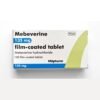
Mebendazole 100 mg: Uses, Dosage, Side Effects, Safety, and Frequently Asked Questions
What Is Mebendazole 100 mg?
Mebendazole 100 mg is a prescription and over-the-counter anthelmintic (anti-worm) medication used to treat infections caused by certain intestinal parasites. It works by preventing worms from absorbing nutrients, which eventually causes them to die and be removed from the body.
Mebendazole is commonly used to treat:
- Threadworm (pinworm) infections.
- Roundworm infections.
- Whipworm infections.
- Hookworm infections.
It is available as:
- 100 mg chewable tablets
- Oral suspension (in some countries)
How Mebendazole Works

Mebendazole works by interfering with the worm’s ability to use tubulin, a protein needed for normal cell function and nutrient absorption.
This action helps:
- Stop worms from absorbing glucose (sugar).
- Deplete the worm’s energy supply.
- Cause the parasite to die.
- Allow the body to naturally remove the infection.
Mebendazole targets certain parasites and does not work against viruses or bacteria.
Mebendazole 100 mg Uses
Threadworm (Pinworm) Infection
Mebendazole is commonly used to treat threadworms, which can cause:
- Itching around the anus, especially at night.
- Restlessness.
- Sleep disturbance.
- Irritation caused by worm eggs.
Because threadworms spread easily, household hygiene measures may be recommended to reduce reinfection.
Roundworm Infection
Mebendazole may be used to treat intestinal roundworm infections that can cause:
- Abdominal discomfort.
- Changes in bowel habits.
- Nutritional problems in some cases.
Whipworm Infection
Mebendazole may help eliminate whipworms, which can infect the large intestine.
Hookworm Infection
Mebendazole may be used against certain hookworm infections, depending on local treatment guidelines and the specific parasite involved.
Benefits of Mebendazole 100 mg
When used correctly, mebendazole may help:
- Eliminate intestinal worms.
- Relieve symptoms caused by parasite infections.
- Reduce the spread of worm infections.
- Improve digestive comfort after successful treatment.
Mebendazole 100 mg Dosage
The correct dose depends on:
- The type of worm infection.
- Age.
- Weight.
- Medical history.
- Local treatment guidelines.
General guidance:
- Take exactly as directed by your healthcare provider or product instructions.
- Some infections may require a single dose, while others may require treatment over several days.
- A repeat dose may sometimes be recommended for threadworm infections to reduce reinfection risk.
Do not take more than recommended.
How to Take Mebendazole 100 mg
For best results:
- Take the tablet as directed.
- Tablets may usually be chewed or swallowed with water depending on the product instructions.
- It may be taken with or without food.
- Maintain good hygiene practices to reduce reinfection.
For threadworm infections, washing hands regularly and cleaning bedding and clothing may help prevent spread.
Missed Dose
If mebendazole is prescribed as a course and you miss a dose:
- Take it when you remember.
- Skip it if it is close to the next scheduled dose.
- Do not double the dose unless advised by a healthcare professional.
Common Side Effects
Common side effects may include:
- Stomach pain.
- Diarrhea.
- Nausea.
- Vomiting.
- Gas or bloating.
These effects are usually mild and temporary.
Serious Side Effects
Seek medical attention if you experience:
- Severe allergic reactions.
- Rash, blistering, or peeling skin.
- Yellowing of the skin or eyes.
- Severe abdominal pain.
- Unusual tiredness or weakness.
- Signs of liver problems.
Serious reactions are uncommon but require medical evaluation.
Safety Information
Before taking mebendazole, tell your healthcare provider if you have:
- Liver disease.
- A history of allergy to mebendazole or similar medicines.
- Pregnancy or plans to become pregnant.
- Breastfeeding.
- Long-term or repeated treatment needs.
Young children may require specific medical advice before use.
Drug Interactions
Mebendazole may interact with:
- Metronidazole (especially certain combinations may increase the risk of serious skin reactions).
- Some medicines that affect liver enzymes.
- Other medications used for parasite infections.
Always inform your healthcare provider about prescription medicines, over-the-counter medicines, vitamins, and herbal supplements you take.
Pregnancy and Breastfeeding
If you are pregnant, planning pregnancy, or breastfeeding:
- Speak with your healthcare provider before taking mebendazole.
- Your healthcare provider will consider the potential benefits and risks.
Use during pregnancy, especially early pregnancy, should be based on medical advice.
Storage
Store mebendazole tablets:
- At room temperature.
- Away from moisture and excessive heat.
- In the original packaging.
- Out of reach of children.
Do not use after the expiry date.
Frequently Asked Questions (FAQs)
What is Mebendazole 100 mg used for?
Mebendazole 100 mg is used to treat intestinal worm infections, including threadworm, roundworm, whipworm, and some hookworm infections.
How does mebendazole kill worms?
Mebendazole blocks the worm’s ability to absorb nutrients, causing the parasite to lose energy and die.
How long does mebendazole take to work?
Many people begin improving within a few days, although complete elimination of worms may take longer depending on the infection.
Can I take mebendazole for threadworms?
Yes. Mebendazole is commonly used for threadworm (pinworm) infections.
Do I need to treat other people in my household?
For threadworm infections, healthcare providers may recommend treating household members because the infection can spread easily.
Can mebendazole be taken with food?
Yes. Mebendazole can usually be taken with or without food.
Can children take mebendazole?
Children may be able to take mebendazole depending on their age and medical advice. Follow the product instructions or healthcare provider’s guidance.
Can I drink alcohol while taking mebendazole?
There is no major direct alcohol interaction, but avoiding excessive alcohol is recommended to reduce strain on the liver.
What happens if I take too much mebendazole?
Taking too much may cause stomach pain, nausea, vomiting, or diarrhea. Seek medical advice if an overdose is suspected.
Is mebendazole an antibiotic?
No. Mebendazole is an anthelmintic medication used to treat parasitic worm infections.
Final Thoughts
Mebendazole 100 mg is an effective anti-worm medication used to treat several common intestinal parasite infections. It works by stopping worms from absorbing essential nutrients, allowing the body to clear the infection.
For the best results, take mebendazole exactly as directed, follow hygiene recommendations to prevent reinfection, and consult a healthcare professional if symptoms continue or return after treatment.
Medical Disclaimer: This article is for educational and informational purposes only and should not replace professional medical advice, diagnosis, or treatment. Always consult a qualified healthcare professional before starting, stopping, or changing any medication.
| Quantity | 30 Pills, 60 Pills, 120 Pills, 180 Pills, 200 Pills, 250 Pills, 300 Pills, 400 Pills, 500 Pills |
|---|
Be the first to review “Mebendazole 100mg”
Related products

Drugs

Drugs

Drugs

Drugs
Drugs
Drugs

Drugs

Drugs
Reviews
There are no reviews yet.