
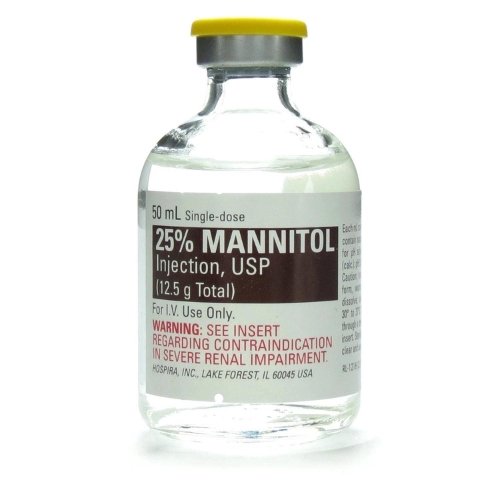
Mannitol IV
Price range: €120.00 through €820.00
Mannitol IV is a specialized hospital medication used to rapidly manage conditions involving increased fluid pressure, particularly swelling in the brain and high pressure inside the eye. Because it strongly affects fluid balance, it must be administered with careful monitoring by healthcare professionals.
Mannitol IV: Uses, Dosage, Side Effects, Safety, and Frequently Asked Questions
What Is Mannitol IV?
Mannitol IV is a prescription osmotic diuretic given through an intravenous (IV) infusion. It is a medication that helps remove excess fluid from certain areas of the body by drawing water into the bloodstream and increasing urine production.
Mannitol is commonly used in hospitals and emergency settings to help reduce:
- Increased pressure inside the brain (intracranial pressure).
- Brain swelling (cerebral edema).
- Increased pressure inside the eye (acute glaucoma emergencies).
It may also be used in selected situations to support kidney function and promote urine production under specialist medical supervision.
How Mannitol IV Works
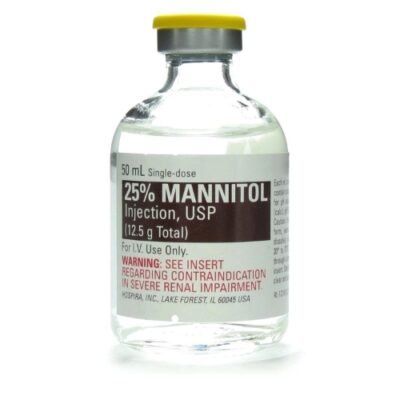
Mannitol is an osmotic agent. After entering the bloodstream, it increases the concentration of substances in the blood and pulls water from tissues into the bloodstream.
This action helps:
- Reduce swelling in the brain.
- Lower pressure inside the skull.
- Increase urine output.
- Reduce pressure within the eye.
- Help remove excess fluid in certain medical situations.
Mannitol does not treat the underlying cause of swelling but helps manage dangerous increases in fluid pressure while other treatments address the cause.
Mannitol IV Uses
Increased Intracranial Pressure (Brain Pressure)
Mannitol is frequently used to reduce elevated pressure inside the skull caused by conditions such as:
- Brain injury.
- Brain swelling after surgery.
- Certain neurological emergencies.
Reducing intracranial pressure may help protect brain function.
Cerebral Edema (Brain Swelling)
Mannitol may be used to decrease swelling around brain tissue caused by:
- Trauma.
- Stroke-related swelling.
- Tumours.
- Other neurological conditions.
Acute Glaucoma
Mannitol may be used in emergency situations to rapidly reduce intraocular pressure (pressure inside the eye).
This can help protect vision when eye pressure becomes dangerously high.
Kidney and Fluid Management (Specialist Use)
In some situations, mannitol may be used to increase urine production or help manage certain fluid-related problems. Its use depends on careful medical assessment.
Benefits of Mannitol IV
When appropriately administered, mannitol may help:
- Rapidly reduce brain pressure.
- Decrease swelling in brain tissue.
- Lower emergency eye pressure.
- Increase urine production in selected situations.
- Provide temporary control during critical medical conditions.
Mannitol IV Dosage
The dose depends on:
- The condition being treated.
- Body weight.
- Kidney function.
- Fluid balance.
- Blood pressure.
- Electrolyte levels.
- Response to treatment.
General guidance:
- Mannitol IV is administered by trained healthcare professionals.
- Dosing is calculated carefully based on the patient’s medical condition.
- Blood tests and monitoring are often required during treatment.
Do not use mannitol without medical supervision.
How Mannitol IV Is Given
Mannitol is administered through an IV line by healthcare professionals.
During treatment, healthcare providers may monitor:
- Urine output.
- Blood pressure.
- Kidney function.
- Electrolyte levels.
- Blood osmolality.
- Fluid balance.
The medication may require special handling because mannitol solutions can form crystals if stored incorrectly.
Common Side Effects
Common side effects may include:
- Increased urination.
- Thirst.
- Headache.
- Nausea.
- Dizziness.
- Dehydration.
- Changes in blood electrolyte levels.
Serious Side Effects
Seek urgent medical attention if signs of complications occur, including:
- Severe shortness of breath.
- Chest pain.
- Swelling caused by fluid overload.
- Confusion.
- Severe weakness.
- Irregular heartbeat.
- Reduced or absent urine output.
- Severe allergic reaction.
Mannitol can cause dangerous changes in fluid balance, especially in people with heart or kidney problems.
Safety Information
Before receiving mannitol, tell your healthcare provider if you have:
- Kidney disease.
- Heart failure.
- Severe dehydration.
- Lung congestion or pulmonary edema.
- Electrolyte problems.
- Bleeding inside the brain (certain situations).
- Difficulty producing urine.
Mannitol requires careful monitoring because it can shift fluid between body compartments.
Drug Interactions
Mannitol may interact with medicines that affect:
- Kidney function.
- Fluid balance.
- Blood pressure.
- Electrolyte levels.
Examples may include:
- Diuretics (“water pills”).
- Certain kidney-affecting medicines.
- Some heart medications.
Always inform healthcare providers about all medicines, supplements, and treatments you are receiving.
Pregnancy and Breastfeeding
If you are pregnant, planning pregnancy, or breastfeeding:
- Inform your healthcare provider before receiving mannitol.
- Your healthcare team will consider the potential benefits and risks before treatment.
Storage
Mannitol IV solutions should be:
- Stored according to manufacturer instructions.
- Checked for crystal formation before use.
- Prepared and administered by healthcare professionals.
Frequently Asked Questions (FAQs)
What is Mannitol IV used for?
Mannitol IV is mainly used to reduce increased pressure in the brain, treat brain swelling, and lower dangerously high pressure inside the eye.
Is mannitol a diuretic?
Yes. Mannitol is an osmotic diuretic that increases urine production by drawing water into the urine.
How is mannitol given?
Mannitol is given through an intravenous infusion by trained healthcare professionals.
How quickly does mannitol work?
Mannitol can begin lowering pressure within minutes after IV administration, depending on the condition and dose used.
Can mannitol affect the kidneys?
Yes. Mannitol affects fluid movement and kidney function, so kidney function and urine output must be monitored.
Can mannitol cause dehydration?
Yes. Because it increases urine production, it can contribute to dehydration if fluid balance is not carefully monitored.
Is mannitol used for brain swelling?
Yes. One of its main medical uses is reducing swelling and pressure associated with certain brain conditions.
Can mannitol be used at home?
No. Mannitol IV requires medical supervision because it can cause significant changes in fluid and electrolyte balance.
What happens if too much mannitol is given?
Excessive amounts may cause fluid overload, dehydration, electrolyte disturbances, or heart and kidney complications. Immediate medical management is required.
Is mannitol the same as a regular water pill?
No. Regular diuretics work through different mechanisms. Mannitol is an osmotic diuretic mainly used in hospital settings for specific medical emergencies.
Final Thoughts
Mannitol IV is a specialized hospital medication used to rapidly manage conditions involving increased fluid pressure, particularly swelling in the brain and high pressure inside the eye. Because it strongly affects fluid balance, it must be administered with careful monitoring by healthcare professionals.
Proper patient selection, accurate dosing, and monitoring of kidney function, electrolytes, and fluid status are essential for safe and effective treatment.
Medical Disclaimer: This article is for educational and informational purposes only and should not replace professional medical advice, diagnosis, or treatment. Always consult a qualified healthcare professional before starting, stopping, or changing any medication.
| Quantity | 30 Pills, 60 Pills, 120 Pills, 180 Pills, 200 Pills, 250 Pills, 300 Pills, 400 Pills, 500 Pills |
|---|
Be the first to review “Mannitol IV”
Related products
Drugs

Drugs
Drugs
Drugs
Drugs
Drugs

Drugs
Drugs
Reviews
There are no reviews yet.