
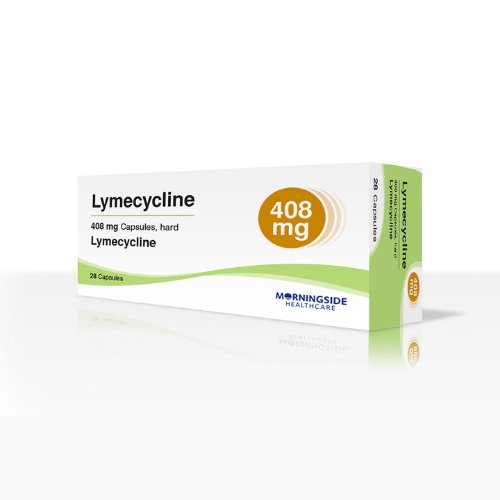
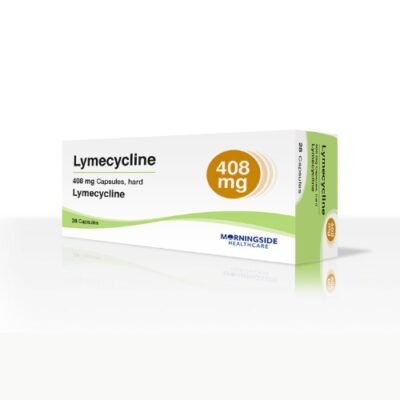
Lymecycline 408mg
Price range: €120.00 through €820.00
Lymecycline 408 mg is a commonly prescribed tetracycline antibiotic that is particularly effective in treating moderate to severe acne and selected bacterial infections. When taken consistently and as directed, it can reduce inflammation, improve skin appearance, and treat susceptible infections.
Lymecycline 408 mg: Uses, Dosage, Side Effects, Safety, and Frequently Asked Questions
What Is Lymecycline 408 mg?
Lymecycline 408 mg is a prescription tetracycline antibiotic used to treat moderate to severe acne and certain bacterial infections. Each 408 mg capsule is equivalent to approximately 300 mg of tetracycline base. (Medicines)
Lymecycline is commonly prescribed for acne because it helps reduce the growth of acne-causing bacteria and decreases inflammation. It may also be used to treat other bacterial infections when appropriate. (nhs.uk)
It is available as hard capsules and is sold under brand names such as Tetralysal 300 in some countries.
How Lymecycline Works
Lymecycline works by preventing bacteria from producing proteins they need to grow and multiply.
This action helps to:
- Kill or stop the growth of susceptible bacteria.
- Reduce inflammation associated with acne.
- Improve infected skin and other bacterial infections.
- Prevent worsening of bacterial growth.
Because it is an antibiotic, lymecycline is effective only against bacterial infections and will not treat viral illnesses such as the common cold or influenza.
Lymecycline 408 mg Uses
Moderate to Severe Acne
Lymecycline is most commonly prescribed to treat inflammatory acne, including:
- Red, inflamed pimples.
- Papules.
- Pustules.
- Acne affecting the face, chest, or back.
Treatment usually continues for at least 8 weeks, as improvement may take several weeks to become noticeable. (nhs.uk)
Respiratory Tract Infections
Lymecycline may be prescribed for certain bacterial respiratory infections, including:
- Acute sinusitis.
- Acute exacerbations of chronic bronchitis.
Chlamydia Infections
It may be used to treat certain Chlamydia trachomatis infections when appropriate.
Other Bacterial Infections
Depending on the bacteria involved, lymecycline may also be prescribed for:
- Some soft tissue infections.
- Certain eye infections (such as trachoma).
- Rickettsial infections.
- Other infections caused by bacteria that are sensitive to tetracycline antibiotics. (Medicines)
Benefits of Lymecycline 408 mg
When taken as prescribed, lymecycline may help:
- Reduce inflammatory acne.
- Improve skin appearance.
- Decrease acne-related redness.
- Treat susceptible bacterial infections.
- Lower the risk of acne scarring by controlling inflammation early.
Lymecycline 408 mg Dosage
The correct dose depends on:
- The condition being treated.
- Age.
- Overall health.
- Kidney and liver function.
- Response to treatment.
General guidance:
- Take exactly as prescribed by your healthcare provider.
- For acne, the usual adult dose is one 408 mg capsule once daily for at least 8 weeks. (nhs.uk)
- For other infections, dosing varies depending on the infection being treated.
Do not stop treatment early unless advised by your healthcare provider, even if symptoms improve.
How to Take Lymecycline
For best results:
- Swallow the capsule whole with a full glass of water.
- You may take it with or without food, although taking it with food may reduce stomach upset. (nhs.uk)
- Remain upright for at least 30 minutes after taking the capsule to reduce the risk of irritation to the esophagus.
- Avoid taking it at the same time as antacids, calcium, iron, magnesium, or zinc supplements, as these can reduce absorption.
Missed Dose
If you miss a dose:
- Take it as soon as you remember.
- Skip the missed dose if it is almost time for your next scheduled dose.
- Do not take two doses together.
Common Side Effects
Common side effects may include:
- Nausea.
- Stomach discomfort.
- Diarrhea.
- Headache.
- Mild dizziness.
- Thrush (oral or vaginal yeast infection).
These side effects are generally mild and temporary. (nhs.uk)
Serious Side Effects
Seek immediate medical attention if you experience:
- Severe allergic reactions.
- Swelling of the face or throat.
- Difficulty breathing.
- Severe skin rash or blistering.
- Persistent severe headache with vision changes.
- Severe or persistent diarrhea.
- Yellowing of the skin or eyes (possible liver problems).
Although uncommon, these reactions require urgent medical assessment.
Safety Information
Before taking lymecycline, tell your healthcare provider if you have:
- Kidney disease.
- Liver disease.
- Lupus.
- A history of allergy to tetracycline antibiotics.
- Pregnancy or plans to become pregnant.
- Breastfeeding.
Lymecycline is generally not recommended during pregnancy or breastfeeding and should not be used in children under 12 years of age, as tetracyclines can affect developing teeth and bones. (Drugs.com)
Drug Interactions
Lymecycline may interact with:
- Antacids containing calcium, magnesium, or aluminum.
- Iron supplements.
- Zinc supplements.
- Oral retinoids (such as isotretinoin).
- Warfarin.
- Penicillin antibiotics.
Tell your healthcare provider about all medicines, vitamins, and herbal supplements you are taking.
Food and Alcohol
Lymecycline can usually be taken with or without food.
Alcohol does not have a significant direct interaction with lymecycline, but excessive alcohol intake may interfere with recovery and overall health. (nhs.uk)
Pregnancy and Breastfeeding
Lymecycline is generally not recommended during pregnancy or while breastfeeding because tetracycline antibiotics may affect fetal bone and tooth development and can pass into breast milk.
If you become pregnant while taking lymecycline, contact your healthcare provider promptly.
Storage
Store lymecycline capsules:
- At room temperature.
- Away from moisture and heat.
- In the original packaging.
- Out of reach of children.
Do not use after the expiry date.
Frequently Asked Questions (FAQs)
What is Lymecycline 408 mg used for?
Lymecycline 408 mg is mainly used to treat moderate to severe acne and certain bacterial infections, including some respiratory, eye, skin, and sexually transmitted infections. (nhs.uk)
How long does lymecycline take to work for acne?
Some improvement may be seen within a few weeks, but treatment is usually continued for at least 8 weeks to achieve the best results. (nhs.uk)
Can I take lymecycline with dairy products?
Dairy has less effect on lymecycline than some other tetracyclines, but it is still best to follow your healthcare provider’s advice and avoid taking calcium supplements at the same time as your dose.
Can lymecycline make my skin more sensitive to sunlight?
Yes. Lymecycline may increase sensitivity to sunlight. Use sunscreen, wear protective clothing, and avoid excessive sun exposure while taking the medication.
Can I stop taking lymecycline when my acne improves?
No. Complete the prescribed course unless your healthcare provider advises otherwise. Stopping early may reduce treatment effectiveness and contribute to antibiotic resistance.
Can children take lymecycline?
Lymecycline is generally not recommended for children younger than 12 years because it may affect developing teeth and bones. (Drugs.com)
What happens if I take too much lymecycline?
An overdose may cause nausea, vomiting, stomach upset, or other symptoms. Seek medical advice or emergency care immediately if a significant overdose is suspected.
Can I use acne creams while taking lymecycline?
Yes. Lymecycline is often prescribed together with topical acne treatments such as benzoyl peroxide or retinoids, depending on your healthcare provider’s recommendations.
Does lymecycline cure acne permanently?
No. Lymecycline helps control acne while it is being taken, but acne may return after treatment. A long-term skincare plan may be needed.
Is lymecycline an antibiotic?
Yes. Lymecycline belongs to the tetracycline class of antibiotics and is effective against susceptible bacterial infections.
Final Thoughts
Lymecycline 408 mg is a commonly prescribed tetracycline antibiotic that is particularly effective in treating moderate to severe acne and selected bacterial infections. When taken consistently and as directed, it can reduce inflammation, improve skin appearance, and treat susceptible infections.
For the best results, complete the prescribed course, protect your skin from excessive sunlight, and attend follow-up appointments so your healthcare provider can monitor your progress.
Medical Disclaimer: This article is for educational and informational purposes only and should not replace professional medical advice, diagnosis, or treatment. Always consult a qualified healthcare professional before starting, stopping, or changing any medication.
| Quantity | 30 Pills, 60 Pills, 120 Pills, 180 Pills, 200 Pills, 250 Pills, 300 Pills, 400 Pills, 500 Pills |
|---|
Be the first to review “Lymecycline 408mg”
Related products
Drugs
Drugs
Drugs
Drugs
Drugs
Drugs
Drugs
Drugs
Reviews
There are no reviews yet.