
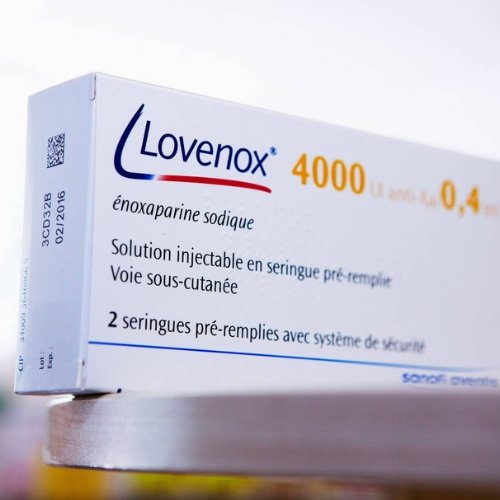
Lovenox 500mg
Price range: €120.00 through €820.00
Lovenox (enoxaparin sodium) is an effective anticoagulant used to prevent and treat blood clots in a variety of medical situations. It plays a vital role in reducing the risk of serious complications such as deep vein thrombosis, pulmonary embolism, and clot-related events after surgery or certain heart conditions.
Lovenox: Uses, Dosage, Side Effects, Safety, and Frequently Asked Questions
What Is Lovenox?
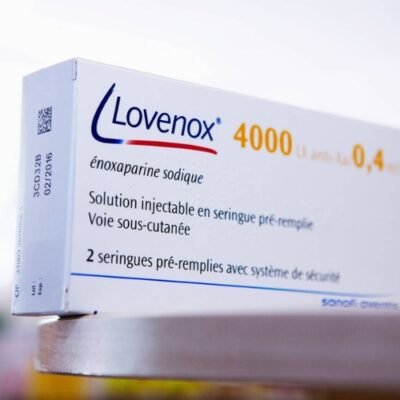
Lovenox is the brand name for enoxaparin sodium, a prescription low-molecular-weight heparin (LMWH) anticoagulant, also known as a blood thinner. It is used to help prevent and treat blood clots, reducing the risk of serious complications such as deep vein thrombosis (DVT) and pulmonary embolism (PE).
Lovenox is administered as a subcutaneous (under-the-skin) injection and is available in pre-filled syringes with various strengths. There is no standard Lovenox 500 mg product. Common syringe strengths include 20 mg, 30 mg, 40 mg, 60 mg, 80 mg, 100 mg, 120 mg, and 150 mg, with the dose chosen based on the patient’s body weight, kidney function, and the condition being treated.
How Lovenox Works
Lovenox works by enhancing the activity of antithrombin III, a naturally occurring protein that helps prevent excessive blood clotting.
This action helps to:
- Prevent new blood clots from forming.
- Stop existing clots from becoming larger.
- Reduce the risk of clot-related complications.
- Improve blood flow through the veins and arteries.
Lovenox does not dissolve existing blood clots, but it helps prevent them from growing while the body naturally breaks them down.
Lovenox Uses
Prevention of Deep Vein Thrombosis (DVT)
Lovenox is commonly used to prevent blood clots after:
- Hip replacement surgery.
- Knee replacement surgery.
- Abdominal surgery.
- Prolonged bed rest due to illness.
Treatment of Deep Vein Thrombosis (DVT)
Lovenox is used to treat DVT, which occurs when a blood clot forms in a deep vein, usually in the leg.
Pulmonary Embolism (PE)
Lovenox helps treat pulmonary embolism, a condition in which a blood clot travels to the lungs.
Acute Coronary Syndromes
Lovenox may also be used as part of treatment for certain heart conditions, including:
- Unstable angina.
- Non-ST-elevation myocardial infarction (NSTEMI).
- ST-elevation myocardial infarction (STEMI).
Benefits of Lovenox
When used as prescribed, Lovenox may help:
- Prevent dangerous blood clots.
- Reduce the risk of pulmonary embolism.
- Lower the risk of clot-related complications after surgery.
- Support treatment following certain heart attacks.
- Reduce the risk of recurrent clot formation.
Lovenox Dosage
The correct dose depends on:
- The condition being treated.
- Body weight.
- Kidney function.
- Age.
- Bleeding risk.
- Other medical conditions.
General guidance:
- Use Lovenox exactly as prescribed.
- Do not change the dose or stop treatment without medical advice.
- Your healthcare provider will determine the correct dose and duration of treatment.
How to Use Lovenox
Lovenox is given as an injection under the skin, usually in the abdomen.
For best results:
- Follow your healthcare provider’s instructions carefully.
- Rotate injection sites.
- Do not rub the injection site after administration, as this may increase bruising.
- If self-injecting, receive proper training from a healthcare professional.
Missed Dose
If you miss a dose:
- Contact your healthcare provider for guidance.
- Take the missed dose as soon as possible unless it is nearly time for your next scheduled dose.
- Do not take a double dose to make up for a missed dose unless specifically instructed by your healthcare provider.
Common Side Effects
Common side effects may include:
- Bruising at the injection site.
- Mild pain or redness at the injection site.
- Bleeding more easily.
- Mild swelling.
- Nausea.
- Mild anemia.
Injection-site bruising is one of the most commonly reported side effects.
Serious Side Effects
Seek immediate medical attention if you experience:
- Unusual or severe bleeding.
- Blood in the urine or stools.
- Black, tarry stools.
- Vomiting blood or material that looks like coffee grounds.
- Severe headache.
- Sudden weakness or numbness.
- Difficulty speaking.
- Chest pain.
- Difficulty breathing.
- Severe allergic reactions.
Rarely, Lovenox can cause heparin-induced thrombocytopenia (HIT), a serious immune reaction that lowers platelet counts and may increase the risk of clotting.
Safety Information
Before using Lovenox, tell your healthcare provider if you have:
- Active bleeding.
- Bleeding disorders.
- Kidney disease.
- Liver disease.
- High blood pressure.
- A history of stroke.
- Stomach ulcers.
- Low platelet counts.
- Recent spinal or epidural procedures.
- Pregnancy or plans to become pregnant.
Your healthcare provider may monitor blood counts and kidney function during treatment.
Drug Interactions
Lovenox may interact with:
- Warfarin.
- Direct oral anticoagulants (DOACs).
- Aspirin.
- Clopidogrel.
- Nonsteroidal anti-inflammatory drugs (NSAIDs), such as ibuprofen and naproxen.
- Certain herbal supplements that may increase bleeding risk.
Always inform your healthcare provider about all prescription medicines, over-the-counter products, vitamins, and herbal supplements you take.
Alcohol and Lovenox
Alcohol may increase the risk of stomach irritation and bleeding.
Discuss alcohol consumption with your healthcare provider while receiving Lovenox.
Pregnancy and Breastfeeding
Lovenox is sometimes prescribed during pregnancy for women who have certain clotting disorders or an increased risk of blood clots.
If you are pregnant, planning pregnancy, or breastfeeding:
- Discuss your treatment with your healthcare provider.
- Do not start or stop Lovenox without medical supervision.
Storage
Store Lovenox pre-filled syringes:
- At room temperature.
- Away from direct heat and moisture.
- In the original packaging.
- Out of reach of children.
Do not freeze the medication.
Frequently Asked Questions (FAQs)
What is Lovenox used for?
Lovenox is used to prevent and treat blood clots, including deep vein thrombosis and pulmonary embolism, and to reduce clotting risks after certain surgeries and during some heart conditions.
Is there a Lovenox 500 mg injection?
No. There is no standard Lovenox 500 mg product. Lovenox is supplied in pre-filled syringes with much lower strengths, and the correct dose is determined by your healthcare provider based on your condition and body weight.
Is Lovenox a blood thinner?
Yes. Lovenox is an anticoagulant that reduces the blood’s ability to form harmful clots.
How is Lovenox given?
Lovenox is administered as a subcutaneous injection, usually into the fatty tissue of the abdomen.
Can I inject Lovenox myself?
Yes. Many people are taught by a healthcare professional how to safely self-administer Lovenox at home.
What happens if I miss a dose?
Contact your healthcare provider for advice. Do not double your next dose unless specifically instructed.
Can Lovenox increase bleeding risk?
Yes. Because it reduces blood clotting, Lovenox increases the risk of bleeding. Seek medical attention if you notice unusual or prolonged bleeding.
Can I take ibuprofen while using Lovenox?
Avoid taking NSAIDs such as ibuprofen unless your healthcare provider recommends them, as they may further increase the risk of bleeding.
How long will I need to use Lovenox?
The duration of treatment depends on the reason for therapy. Some people need treatment for only a few days after surgery, while others may require several weeks or longer.
Can Lovenox dissolve an existing blood clot?
No. Lovenox does not dissolve clots. It helps prevent existing clots from growing and allows the body’s natural processes to break them down over time.
Final Thoughts
Lovenox (enoxaparin sodium) is an effective anticoagulant used to prevent and treat blood clots in a variety of medical situations. It plays a vital role in reducing the risk of serious complications such as deep vein thrombosis, pulmonary embolism, and clot-related events after surgery or certain heart conditions.
Because Lovenox affects blood clotting, it should always be used exactly as prescribed, with careful attention to injection technique, bleeding precautions, and regular follow-up with your healthcare provider.
Medical Disclaimer: This article is for educational and informational purposes only and should not replace professional medical advice, diagnosis, or treatment. Always consult a qualified healthcare professional before starting, stopping, or changing any medication.
| Quantity | 30 Pills, 60 Pills, 120 Pills, 180 Pills, 200 Pills, 250 Pills, 300 Pills, 400 Pills, 500 Pills |
|---|
Be the first to review “Lovenox 500mg”
Related products
Drugs
Drugs
Drugs
Drugs
Drugs

Drugs
Drugs
Reviews
There are no reviews yet.