
Latanoprost: Uses, Dosage, Side Effects, Safety, and Frequently Asked Questions
What Is Latanoprost?
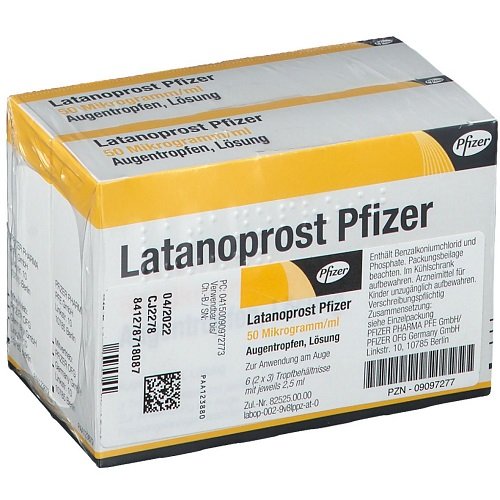
Latanoprost is a prescription eye drop used to reduce high pressure inside the eye (intraocular pressure). It belongs to a group of medicines called prostaglandin analogues.
Latanoprost is primarily prescribed to treat:
- Open-angle glaucoma.
- Ocular hypertension (high pressure in the eye without signs of glaucoma).
By lowering pressure inside the eye, latanoprost helps reduce the risk of damage to the optic nerve and vision loss associated with glaucoma.
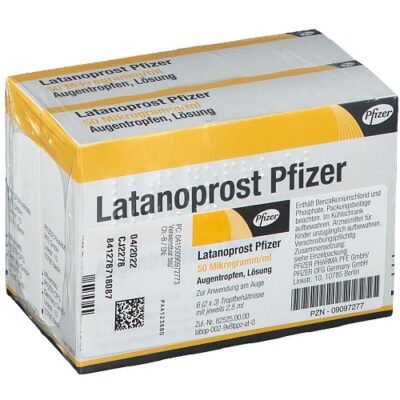
It is commonly available as a sterile ophthalmic solution in single-use or multi-dose bottles.
How Latanoprost Works
The eye naturally produces and drains fluid called aqueous humour.
Latanoprost works by:
- Increasing the natural drainage of fluid from the eye.
- Lowering intraocular pressure.
- Reducing strain on the optic nerve.
- Helping preserve vision in people with glaucoma or ocular hypertension.
It does not cure glaucoma but helps manage the condition with regular use.
Latanoprost Uses
Open-Angle Glaucoma
Latanoprost is commonly prescribed to lower eye pressure in people with primary open-angle glaucoma, the most common form of glaucoma.
Lowering eye pressure helps reduce the risk of progressive optic nerve damage and vision loss.
Ocular Hypertension
People with elevated eye pressure but no signs of glaucoma may also be prescribed latanoprost to reduce the likelihood of developing optic nerve damage.
Benefits of Latanoprost
When used as prescribed, latanoprost may help:
- Lower intraocular pressure.
- Protect the optic nerve.
- Slow the progression of glaucoma.
- Reduce the risk of vision loss.
- Provide convenient once-daily treatment for many patients.
Latanoprost Dosage
The correct dose depends on your individual treatment plan.
General guidance:
- Use exactly as prescribed by your healthcare provider.
- The usual adult dose is one drop in the affected eye(s) once daily, typically in the evening.
- Do not use more often than directed, as this may reduce its effectiveness.
If you use more than one type of eye drop, allow at least 5 minutes between different eye medications unless instructed otherwise.
How to Use Latanoprost Eye Drops
For best results:
- Wash your hands thoroughly.
- Remove contact lenses before using the drops unless your healthcare provider advises otherwise.
- Tilt your head back and gently pull down the lower eyelid.
- Instil one drop into the affected eye.
- Close your eye gently and avoid blinking excessively.
- Press lightly on the inner corner of the eye (near the nose) for about one minute to reduce drainage into the tear duct.
- Replace the bottle cap securely.
If you wear contact lenses, they can usually be reinserted 15 minutes after applying the drops, unless otherwise instructed.
Missed Dose
If you miss a dose:
- Apply it as soon as you remember.
- Skip the missed dose if it is nearly time for your next scheduled dose.
- Do not use extra drops to make up for a missed dose.
Common Side Effects
Common side effects may include:
- Mild eye redness.
- Eye irritation.
- Stinging or burning after application.
- Blurred vision immediately after use.
- Dry eyes.
- Watery eyes.
- Eyelash growth or thickening.
These side effects are usually mild and temporary.
Possible Changes in Eye Appearance
Long-term use of latanoprost may cause:
- Gradual darkening of the iris (especially in people with mixed-coloured eyes).
- Darkening of the eyelid skin.
- Longer, thicker, or darker eyelashes.
These cosmetic changes may be permanent, although they are generally not harmful.
Serious Side Effects
Seek immediate medical attention if you experience:
- Severe eye pain.
- Sudden vision changes.
- Eye injury.
- Signs of a severe allergic reaction.
- Persistent swelling or redness that worsens.
- Symptoms of an eye infection.
Safety Information
Before using latanoprost, tell your healthcare provider if you have:
- Eye inflammation.
- A history of eye surgery.
- Macular oedema.
- Herpes simplex eye infection.
- Severe dry eye.
- Contact lens use.
Do not allow the dropper tip to touch your eye or any surface, as this may contaminate the solution.
Drug Interactions
Latanoprost has relatively few systemic drug interactions because it acts locally in the eye.
However, tell your healthcare provider if you use:
- Other glaucoma eye drops.
- Steroid eye drops.
- Prescription eye medications.
- Over-the-counter eye products.
Using multiple prostaglandin analogue eye drops together is generally not recommended unless directed by an eye specialist.
Pregnancy and Breastfeeding
If you are pregnant, planning pregnancy, or breastfeeding:
- Discuss latanoprost use with your healthcare provider.
- Treatment decisions should be based on the expected benefits and potential risks.
Storage
Store latanoprost according to the manufacturer’s instructions.
General recommendations include:
- Keep unopened bottles refrigerated if required by the product label.
- Once opened, many formulations can be stored at room temperature for a limited period, depending on the manufacturer’s guidance.
- Protect from excessive heat and direct light.
- Keep out of reach of children.
Always follow the storage instructions provided with your specific brand.
Frequently Asked Questions (FAQs)
What is latanoprost used for?
Latanoprost is used to lower pressure inside the eye in people with open-angle glaucoma or ocular hypertension.
How does latanoprost lower eye pressure?
It increases the natural drainage of fluid from the eye, reducing intraocular pressure.
How often should I use latanoprost?
It is usually used once daily, typically in the evening, unless your healthcare provider advises otherwise.
Can latanoprost change eye colour?
Yes. Long-term use may gradually darken the iris, especially in people with mixed-coloured eyes. This change may be permanent.
Can I wear contact lenses while using latanoprost?
Yes, but contact lenses should generally be removed before applying the drops and reinserted about 15 minutes later, unless your healthcare provider advises differently.
What should I do if I miss a dose?
Apply the missed dose when you remember, unless it is almost time for your next scheduled dose. Do not use extra drops.
Can latanoprost cure glaucoma?
No. It helps control eye pressure and slow disease progression but does not cure glaucoma.
Can children use latanoprost?
Latanoprost may be prescribed for certain children by an eye specialist when appropriate.
Can I use other eye drops with latanoprost?
Yes, but leave at least 5 minutes between different eye drops unless instructed otherwise.
What happens if I use too much latanoprost?
Using extra drops may increase eye irritation or redness but is unlikely to improve treatment. If a large amount is used or swallowed accidentally, seek medical advice.
Final Thoughts
Latanoprost is an effective prostaglandin analogue used to lower eye pressure in people with open-angle glaucoma and ocular hypertension. By improving fluid drainage from the eye, it helps protect the optic nerve and reduce the risk of vision loss.
For the best results, use latanoprost exactly as prescribed, attend regular eye examinations, and continue treatment even if you have no symptoms. Contact your eye care professional if you notice significant vision changes, severe eye pain, or persistent irritation.
Medical Disclaimer: This article is for educational and informational purposes only and should not replace professional medical advice, diagnosis, or treatment. Always consult a qualified healthcare professional before starting, stopping, or changing any medication.
Be the first to review “Latanoprost”
Related products
Drugs
Drugs
Drugs
Drugs
Drugs
Drugs
Drugs
Drugs
Reviews
There are no reviews yet.