

Insulin: Uses, Dosage, Side Effects, Safety, and Frequently Asked Questions
What Is Insulin?
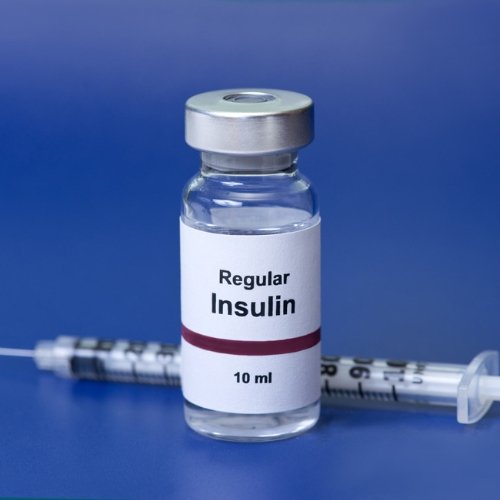
Insulin is a hormone naturally produced by the pancreas that helps regulate blood sugar (glucose) levels. As a medicine, insulin is used to treat diabetes mellitus when the body does not produce enough insulin or cannot use it effectively.
Insulin allows glucose from the bloodstream to enter the body’s cells, where it is used for energy. Without enough insulin, blood sugar levels become too high, increasing the risk of serious health complications.
Prescription insulin is available in several forms, including:
- Rapid-acting insulin
- Short-acting insulin
- Intermediate-acting insulin
- Long-acting insulin
- Ultra-long-acting insulin
- Premixed insulin formulations
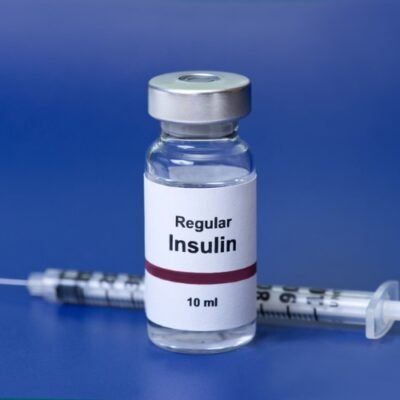
Insulin is administered by subcutaneous injection using insulin pens, syringes, or insulin pumps. It should only be used under the guidance of a healthcare professional.
How Insulin Works
After eating, blood glucose levels naturally rise. Insulin helps restore normal blood sugar levels by:
- Allowing glucose to enter muscle, fat, and liver cells.
- Reducing the amount of glucose released by the liver.
- Helping the body store excess glucose for future energy needs.
- Maintaining healthy blood sugar levels throughout the day and night.
Different insulin types work at different speeds and for varying lengths of time.
Insulin Uses
Type 1 Diabetes
People with type 1 diabetes cannot produce enough insulin and require lifelong insulin therapy.
Insulin helps:
- Replace the missing hormone.
- Maintain healthy blood glucose levels.
- Prevent serious complications such as diabetic ketoacidosis (DKA).
Type 2 Diabetes
Some people with type 2 diabetes may need insulin when:
- Lifestyle changes and other medicines are no longer enough to control blood sugar.
- Blood glucose remains consistently high.
- During illness, surgery, or pregnancy.
Gestational Diabetes
Insulin may be recommended during pregnancy if blood sugar cannot be adequately controlled with diet and exercise alone.
Emergency Treatment
In hospital settings, insulin may also be used to help manage certain medical emergencies involving very high blood sugar or elevated potassium levels.
Types of Insulin
Several types of insulin are available:
Rapid-Acting Insulin
Starts working quickly and is usually taken before meals to control blood sugar after eating.
Short-Acting Insulin
Also used around mealtimes but generally begins working slightly later than rapid-acting insulin.
Intermediate-Acting Insulin
Provides blood sugar control for part of the day or overnight.
Long-Acting Insulin
Provides a steady background level of insulin over many hours and is often taken once daily.
Premixed Insulin
Contains a combination of fast-acting and longer-acting insulin to simplify dosing for some people.
Your healthcare provider will recommend the most appropriate type based on your diabetes management needs.
Benefits of Insulin
When used correctly, insulin may help:
- Lower blood glucose levels.
- Reduce symptoms of high blood sugar.
- Prevent diabetes-related complications.
- Improve energy levels.
- Support healthy growth and development in children with diabetes.
- Improve long-term health outcomes.
Insulin Dosage
Insulin dosing is highly individualised and depends on factors such as:
- Type of diabetes.
- Blood glucose readings.
- Body weight.
- Diet.
- Physical activity.
- Age.
- Pregnancy.
- Kidney and liver function.
- Other medical conditions.
General guidance:
- Use insulin exactly as prescribed.
- Never change your insulin type or dose without medical advice.
- Monitor your blood glucose as recommended.
- Follow your meal plan and healthcare provider’s instructions.
How to Use Insulin
General recommendations include:
- Wash your hands before preparing the injection.
- Use the correct insulin and dose.
- Rotate injection sites to reduce the risk of skin changes.
- Store insulin according to the manufacturer’s instructions.
- Check the insulin before use for any unusual appearance if applicable.
Injection sites commonly include:
- Abdomen.
- Thighs.
- Upper arms.
- Buttocks.
Proper injection technique should be demonstrated by a healthcare professional.
Missed Dose
If you miss an insulin dose:
- Follow the advice provided by your diabetes care team.
- Check your blood glucose level.
- Do not automatically take extra insulin unless instructed to do so.
- Seek medical advice if you are unsure what to do.
Because insulin regimens vary widely, management of missed doses should be individualised.
Common Side Effects
Possible side effects include:
- Low blood sugar (hypoglycaemia).
- Injection site redness or irritation.
- Mild swelling.
- Weight gain.
- Skin thickening or thinning at injection sites if the same area is used repeatedly.
Hypoglycaemia (Low Blood Sugar)
Low blood sugar is one of the most common side effects of insulin.
Symptoms may include:
- Sweating.
- Shaking.
- Hunger.
- Fast heartbeat.
- Dizziness.
- Confusion.
- Irritability.
- Blurred vision.
Severe hypoglycaemia can lead to seizures, unconsciousness, or other medical emergencies and requires immediate treatment.
Serious Side Effects
Seek urgent medical attention if you experience:
- Severe allergic reactions.
- Difficulty breathing.
- Swelling of the face, lips, tongue, or throat.
- Severe or persistent hypoglycaemia.
- Loss of consciousness.
- Severe injection site reactions.
Safety Information
Before using insulin, tell your healthcare provider if you have:
- Kidney disease.
- Liver disease.
- Frequent episodes of low blood sugar.
- Heart disease.
- Hormonal disorders.
- Allergies to insulin or any of its ingredients.
Regular blood glucose monitoring is essential during insulin therapy.
Drug Interactions
Many medicines can affect blood glucose control or alter insulin requirements.
Examples include:
- Corticosteroids.
- Beta-blockers.
- Certain antibiotics.
- Diuretics.
- Some antidepressants.
- Other diabetes medicines.
Always inform your healthcare provider about all prescription medicines, over-the-counter medicines, vitamins, and herbal supplements you take.
Alcohol and Insulin
Alcohol can affect blood sugar levels and may increase the risk of hypoglycaemia.
If you drink alcohol:
- Do so in moderation if appropriate.
- Monitor your blood glucose carefully.
- Discuss alcohol use with your healthcare provider.
Pregnancy and Breastfeeding
Insulin is commonly used to manage diabetes during pregnancy because it does not cross the placenta in significant amounts and is considered an appropriate treatment when needed.
People who are pregnant or breastfeeding should continue regular medical follow-up to ensure blood sugar remains well controlled.
Storage
Proper storage is important to maintain insulin effectiveness.
General recommendations include:
- Store unopened insulin according to the manufacturer’s instructions, often in a refrigerator.
- Protect insulin from freezing and excessive heat.
- Keep insulin away from direct sunlight.
- Follow the product-specific guidance regarding storage after opening.
- Keep out of reach of children.
Frequently Asked Questions (FAQs)
What is insulin used for?
Insulin is used to treat diabetes by helping control blood sugar levels.
Who needs insulin?
All people with type 1 diabetes require insulin. Some people with type 2 diabetes or gestational diabetes may also need insulin depending on their medical condition.
Is insulin a cure for diabetes?
No. Insulin helps manage blood sugar but does not cure diabetes.
Can insulin cause low blood sugar?
Yes. Hypoglycaemia is one of the most common side effects of insulin therapy.
Where is insulin injected?
Insulin is usually injected under the skin of the abdomen, thighs, upper arms, or buttocks.
Why should injection sites be rotated?
Rotating injection sites helps reduce the risk of skin thickening, scarring, and changes that can affect insulin absorption.
Can insulin be taken by mouth?
Most insulin products are given by injection or insulin pump because insulin is broken down in the digestive system if swallowed.
What should I do if my blood sugar stays high?
Follow your diabetes management plan and contact your healthcare provider if your blood sugar remains consistently above your target range.
Can I exercise while using insulin?
Yes. Regular physical activity is encouraged, but exercise may affect blood sugar levels. Monitor your glucose and follow your healthcare provider’s recommendations.
What happens if too much insulin is used?
Too much insulin can cause severe hypoglycaemia, which may lead to confusion, seizures, unconsciousness, or death if not treated promptly. Seek emergency medical attention immediately if a serious overdose is suspected.
Final Thoughts
Insulin is an essential treatment for many people living with diabetes. By helping regulate blood sugar levels, it reduces the risk of both short-term emergencies and long-term complications affecting the eyes, kidneys, nerves, heart, and blood vessels.
Successful insulin therapy involves taking the correct dose, monitoring blood glucose regularly, maintaining a healthy lifestyle, and attending routine medical appointments. If you have questions about your insulin regimen or experience side effects, consult your healthcare provider for personalised advice.
Medical Disclaimer: This article is for educational and informational purposes only and should not replace professional medical advice, diagnosis, or treatment. Always consult a qualified healthcare professional before starting, stopping, or changing any medication.
| Quantity | 30 Pills, 60 Pills, 120 Pills, 180 Pills, 200 Pills, 250 Pills, 300 Pills, 400 Pills, 500 Pills |
|---|
Be the first to review “Insulin”
Related products


Drugs

Drugs


Drugs

Drugs

Drugs
Drugs
Reviews
There are no reviews yet.