
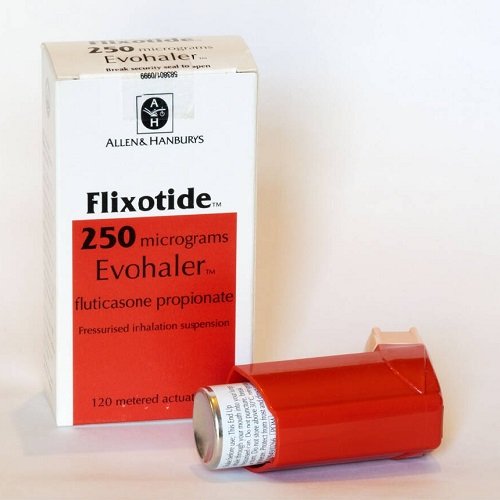
Fluticasone inhalers

€35.00
Fluticasone inhalers are important preventer medicines used to control airway inflammation in asthma and some cases of COPD. By reducing swelling and irritation in the airways, they help prevent symptoms, improve breathing control, and reduce flare-ups. For the best results, use the inhaler regularly, follow correct inhaler technique, and attend routine medical reviews.
Fluticasone Inhalers: Uses, Dosage, Side Effects, Safety, and Frequently Asked Questions
What Are Fluticasone Inhalers?
Fluticasone inhalers are prescription inhaled corticosteroid (ICS) medicines used to help control and prevent symptoms of asthma and, in some cases, chronic obstructive pulmonary disease (COPD).
Fluticasone is a type of corticosteroid that reduces inflammation in the airways. By lowering swelling and irritation inside the lungs, it helps improve breathing and reduces the frequency and severity of asthma symptoms.
Fluticasone inhalers are preventer medicines, meaning they work best when used regularly. They are not designed to provide immediate relief during a sudden asthma attack.
How Fluticasone Inhalers Work
Asthma and some airway diseases involve inflammation and increased sensitivity of the breathing tubes.
Fluticasone works by:
- Reducing inflammation inside the airways.
- Decreasing swelling and irritation.
- Lowering mucus production.
- Making the airways less sensitive to triggers.
- Helping prevent coughing, wheezing, and breathlessness.
Because it works gradually, regular use is important even when symptoms are controlled.
Fluticasone Inhaler Uses
Asthma Control
Fluticasone inhalers are commonly used for long-term asthma management.
They may help reduce:
- Wheezing
- Shortness of breath
- Chest tightness
- Night-time asthma symptoms
- Asthma flare-ups
Chronic Obstructive Pulmonary Disease (COPD)
Some fluticasone-containing inhalers may be used as part of COPD treatment, usually in combination with other inhaled medicines such as long-acting bronchodilators.
They may help reduce airway inflammation and lower the risk of exacerbations in selected patients.
Types of Fluticasone Inhalers
Fluticasone is available in different inhaler forms, including:
- Metered-dose inhalers (MDIs)
- Dry powder inhalers (DPIs)
- Combination inhalers containing fluticasone with other medicines
Examples of fluticasone combinations may include:
- Fluticasone with salmeterol
- Fluticasone with vilanterol
- Fluticasone with other long-acting bronchodilators
The correct inhaler depends on the individual’s condition and treatment plan.
Benefits of Fluticasone Inhalers
When used correctly, fluticasone inhalers may help:
- Prevent asthma symptoms.
- Reduce airway inflammation.
- Improve breathing control.
- Reduce asthma attacks.
- Decrease reliance on quick-relief inhalers.
- Improve daily activity and quality of life.
Fluticasone Inhaler Dosage
The correct dose depends on:
- The severity of asthma or COPD.
- Age.
- Previous treatments.
- The specific inhaler strength.
- Response to treatment.
General guidance:
- Use exactly as prescribed.
- Use regularly, even when feeling well.
- Do not increase or decrease the dose without medical advice.
- Your healthcare provider may adjust the dose depending on symptom control.
How to Use a Fluticasone Inhaler
Correct inhaler technique is important.
General steps:
- Prepare the inhaler according to the instructions.
- Breathe out fully before inhaling the medicine.
- Place the mouthpiece correctly.
- Breathe in deeply as instructed for your inhaler type.
- Hold your breath briefly if advised.
- Exhale slowly.
- Rinse your mouth with water after use and spit it out.
Rinsing the mouth helps reduce the risk of oral thrush and throat irritation.
Missed Dose
If you miss a dose:
- Take it when you remember.
- Skip it if it is close to the next scheduled dose.
- Do not take extra doses unless advised.
Common Side Effects
Common side effects may include:
- Hoarse voice
- Sore throat
- Cough
- Dry mouth
- Oral thrush (white patches or soreness in the mouth)
- Unpleasant taste
Using the correct inhaler technique and rinsing the mouth after use can help reduce these effects.
Serious Side Effects
Seek medical advice if you experience:
- Signs of a serious allergic reaction
- Worsening breathing problems immediately after inhalation
- Vision changes
- Severe throat irritation
- Symptoms of excessive steroid exposure
Long-term use of high doses may increase the risk of:
- Reduced bone strength
- Eye problems such as cataracts or glaucoma
- Effects on the body’s natural steroid production
Your healthcare provider may monitor you if long-term high-dose treatment is required.
Safety Information
Before using fluticasone inhalers, tell your healthcare provider if you have:
- Untreated infections
- Tuberculosis history
- Eye problems such as glaucoma or cataracts
- Osteoporosis or bone health concerns
- Liver disease
- Recent exposure to chickenpox or measles
Fluticasone inhalers should not be used to treat a sudden asthma attack. A fast-acting reliever inhaler may be needed for emergency symptom relief.
Drug Interactions
Fluticasone may interact with some medicines, including:
- Certain antifungal medicines
- Some HIV medicines
- Other corticosteroid medicines
These medicines may increase fluticasone levels in the body and increase the risk of side effects.
Always tell your healthcare provider about all medicines, supplements, and herbal products you take.
Pregnancy and Breastfeeding
If you are pregnant, planning pregnancy, or breastfeeding, discuss fluticasone inhaler use with your healthcare provider.
Maintaining good asthma control during pregnancy is important, and your healthcare provider can recommend the most appropriate treatment.
Storage
Store fluticasone inhalers:
- According to the manufacturer’s instructions.
- Away from excessive heat and moisture.
- With the cap closed when not in use.
- Out of reach of children.
Check the inhaler regularly to ensure it has not expired.
Frequently Asked Questions (FAQs)
What are fluticasone inhalers used for?
Fluticasone inhalers are used to prevent and control asthma symptoms and may be used in some COPD treatment plans.
Is fluticasone a steroid?
Yes. Fluticasone is an inhaled corticosteroid designed to reduce inflammation in the airways.
Can fluticasone stop an asthma attack?
No. Fluticasone is a preventer inhaler and does not provide immediate relief during a sudden asthma attack.
How long does fluticasone inhaler take to work?
Some improvement may occur within days, but the full benefit may take several weeks of regular use.
Should I use fluticasone every day?
If prescribed as a preventer inhaler, yes. Regular use helps keep airway inflammation under control.
Can fluticasone cause oral thrush?
Yes. Oral thrush is a possible side effect. Rinsing your mouth after each use can reduce the risk.
Can I stop using fluticasone when I feel better?
Do not stop suddenly without discussing it with your healthcare provider. Asthma symptoms may return if treatment is stopped.
Is fluticasone safe for long-term use?
When used at the prescribed dose, inhaled fluticasone is generally considered safe. Your healthcare provider may monitor long-term treatment.
Can children use fluticasone inhalers?
Yes. Some fluticasone inhalers are prescribed for children, but the dose and device depend on age and medical advice.
What happens if I use too much fluticasone?
Using too much may increase the risk of steroid-related side effects. Contact a healthcare professional if excessive use occurs.
Final Thoughts
Fluticasone inhalers are important preventer medicines used to control airway inflammation in asthma and some cases of COPD. By reducing swelling and irritation in the airways, they help prevent symptoms, improve breathing control, and reduce flare-ups. For the best results, use the inhaler regularly, follow correct inhaler technique, and attend routine medical reviews.
Medical Disclaimer: This article is for educational and informational purposes only and should not replace professional medical advice, diagnosis, or treatment. Always consult a qualified healthcare professional before starting, stopping, or changing any medication.
Be the first to review “Fluticasone inhalers”
Related products
Drugs
Drugs
Drugs
Drugs
Drugs
Drugs
Drugs
Reviews
There are no reviews yet.