
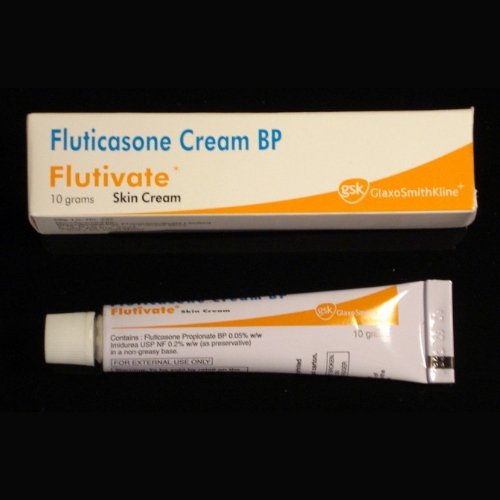
Fluticasone skin creams
€20.00
Fluticasone skin creams are effective topical corticosteroids used to reduce inflammation and itching caused by conditions such as eczema and dermatitis. When used correctly and for the recommended duration, they can provide significant relief from uncomfortable skin symptoms. To reduce the risk of side effects, apply only as directed, avoid unnecessary prolonged use, and consult a healthcare professional if symptoms persist or worsen.
Fluticasone Skin Creams: Uses, Dosage, Side Effects, Safety, and Frequently Asked Questions
What Are Fluticasone Skin Creams?
Fluticasone skin creams are prescription topical corticosteroid medicines used to reduce skin inflammation, redness, itching, and irritation caused by certain inflammatory skin conditions.
Fluticasone belongs to a group of medicines called corticosteroids (steroids). When applied to the skin, it works by reducing the activity of substances in the body that cause inflammation.
Topical fluticasone is generally used for short-term treatment of conditions such as eczema, dermatitis, and other inflammatory skin problems when prescribed by a healthcare professional.
How Fluticasone Skin Cream Works
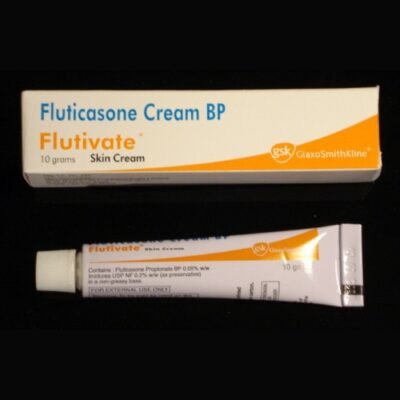
Skin conditions such as eczema and dermatitis can cause inflammation due to an overactive immune response.
Fluticasone works by:
- Reducing inflammation in the skin.
- Decreasing redness and swelling.
- Relieving itching and irritation.
- Calming immune activity in the affected area.
- Helping the skin heal during flare-ups.
It does not treat infections caused by bacteria, viruses, or fungi unless combined with other appropriate medicines.
Fluticasone Skin Cream Uses
Eczema
Fluticasone cream may be prescribed to manage eczema symptoms such as:
- Dry, irritated skin
- Redness
- Itching
- Inflammation
- Skin flare-ups
It helps control symptoms but does not cure eczema permanently.
Dermatitis
Fluticasone may be used for different types of dermatitis, including:
- Atopic dermatitis
- Contact dermatitis
- Irritant dermatitis
It helps reduce the inflammatory response that causes discomfort.
Allergic Skin Reactions
Healthcare providers may prescribe topical fluticasone for certain allergic skin conditions that involve inflammation and itching.
Other Inflammatory Skin Conditions
Depending on medical advice, fluticasone may be used for some other steroid-responsive skin conditions.
Benefits of Fluticasone Skin Creams
When used correctly, fluticasone creams may help:
- Reduce skin inflammation.
- Relieve itching and irritation.
- Improve redness and swelling.
- Calm eczema flare-ups.
- Improve skin comfort and appearance.
Fluticasone Skin Cream Dosage and Application
The correct strength and frequency depend on:
- The skin condition being treated.
- The location of the affected skin.
- Age.
- Severity of symptoms.
- Medical history.
General guidance:
- Apply a thin layer to the affected area as directed.
- Use only on the areas recommended by your healthcare provider.
- Do not apply more often than prescribed.
- Continue treatment for the recommended duration.
A small amount is usually sufficient because topical steroids are designed to work in thin layers.
How to Apply Fluticasone Cream
General application steps:
- Wash and dry your hands.
- Apply a thin layer to the affected skin.
- Rub gently until absorbed.
- Wash your hands after application unless treating the hands.
- Avoid contact with eyes, mouth, and sensitive areas unless specifically instructed.
Follow any additional instructions provided with your prescription.
Missed Application
If you forget to apply fluticasone cream:
- Apply it when you remember.
- Skip it if it is nearly time for the next application.
- Do not apply extra cream to make up for a missed dose.
Common Side Effects
Possible side effects may include:
- Mild burning or stinging after application
- Skin irritation
- Dryness
- Itching
- Redness
These effects are often temporary, especially when treatment begins.
Serious Side Effects
Seek medical advice if you notice:
- Skin thinning
- Stretch marks
- Changes in skin colour
- Increased hair growth at the application site
- Worsening skin infection
- Severe allergic reaction
- Blurred vision or eye problems if used near the eyes
Using strong topical steroids for long periods or on large areas of skin can increase the risk of side effects.
Safety Information
Before using fluticasone cream, tell your healthcare provider if you have:
- A skin infection
- Acne or rosacea
- Open wounds
- Broken skin
- Previous reactions to corticosteroids
- Conditions affecting the immune system
Avoid using fluticasone:
- On infected skin unless directed.
- Under tight dressings unless advised.
- Near the eyes unless specifically prescribed.
Drug Interactions
Topical fluticasone usually has fewer interactions than steroid tablets because only small amounts are absorbed through the skin.
However, tell your healthcare provider if you use:
- Other steroid creams
- Steroid tablets
- Immune-suppressing medicines
- Other prescription skin treatments
Using multiple steroid products may increase the risk of side effects.
Pregnancy and Breastfeeding
If you are pregnant, planning pregnancy, or breastfeeding, discuss fluticasone cream use with your healthcare provider.
A healthcare professional may recommend the lowest effective strength and shortest treatment duration when needed.
If applying during breastfeeding, avoid applying the cream to the nipple area unless specifically advised.
Storage
Store fluticasone cream:
- At room temperature.
- Away from heat and direct sunlight.
- With the tube properly closed.
- Out of reach of children.
Do not use after the expiry date.
Frequently Asked Questions (FAQs)
What is fluticasone skin cream used for?
Fluticasone skin cream is used to reduce inflammation, redness, and itching caused by eczema, dermatitis, and other steroid-responsive skin conditions.
Is fluticasone cream a steroid?
Yes. Fluticasone cream is a topical corticosteroid.
Can fluticasone cream treat fungal infections?
No. Fluticasone does not kill fungi. Using steroid creams on fungal infections without medical advice may make some infections worse.
How long does fluticasone cream take to work?
Many people notice improvement within several days, but the exact time depends on the condition being treated.
Can I use fluticasone cream on my face?
Only use it on the face if specifically advised by a healthcare professional, as facial skin is more sensitive and may be more prone to side effects.
Can children use fluticasone cream?
Some children may use topical fluticasone when prescribed, but dosing and treatment duration should be carefully followed.
Can I use moisturiser with fluticasone cream?
Yes. Moisturisers are often used alongside topical steroids for eczema management. Follow your healthcare provider’s advice on timing and application.
Can I stop using fluticasone cream suddenly?
For short courses, stopping is usually straightforward. For prolonged use, ask your healthcare provider before stopping.
Can fluticasone cream thin the skin?
Long-term or excessive use of topical steroids may cause skin thinning and other changes.
What happens if I apply too much fluticasone cream?
Using too much or using it for too long may increase the risk of side effects. Contact a healthcare professional if excessive use occurs.
Final Thoughts
Fluticasone skin creams are effective topical corticosteroids used to reduce inflammation and itching caused by conditions such as eczema and dermatitis. When used correctly and for the recommended duration, they can provide significant relief from uncomfortable skin symptoms. To reduce the risk of side effects, apply only as directed, avoid unnecessary prolonged use, and consult a healthcare professional if symptoms persist or worsen.
Medical Disclaimer: This article is for educational and informational purposes only and should not replace professional medical advice, diagnosis, or treatment. Always consult a qualified healthcare professional before starting, stopping, or changing any medication.
Be the first to review “Fluticasone skin creams”
Related products

Drugs
Drugs
Drugs
Drugs

Drugs
Drugs
Reviews
There are no reviews yet.